

G!theimagineers Create Comedy Narrative for Maxime Gasteuil with ChamSys MagicQ MQ500M
PARIS – Sometimes traveling 587 kilometers can be like entering a new world. Popular French comedian Maxime Gasteuil is familiar with this feeling, having journeyed from by train from his small (population under 2,000) village of Saint-Émilion in the south of France to seek the bright lights of Paris.
Gasteuil recounts this transition in a way that all thirty-somethings migrating to the French capital can relate to in “Arrive en Ville,” a show playing to sold out houses, and now the subject of an Amazon Prime program.
Witty, wry and insightful, the show is really more of a comedic narrative than a standup routine, as it contrasts Gasteuil’s life in his hometown, with its historic Romanesque churches and famous vineyards, to the fast pace of 21st century Paris, teeming with traffic, Starbucks coffee shops, nightclubs, and “rabbit cage apartments.”

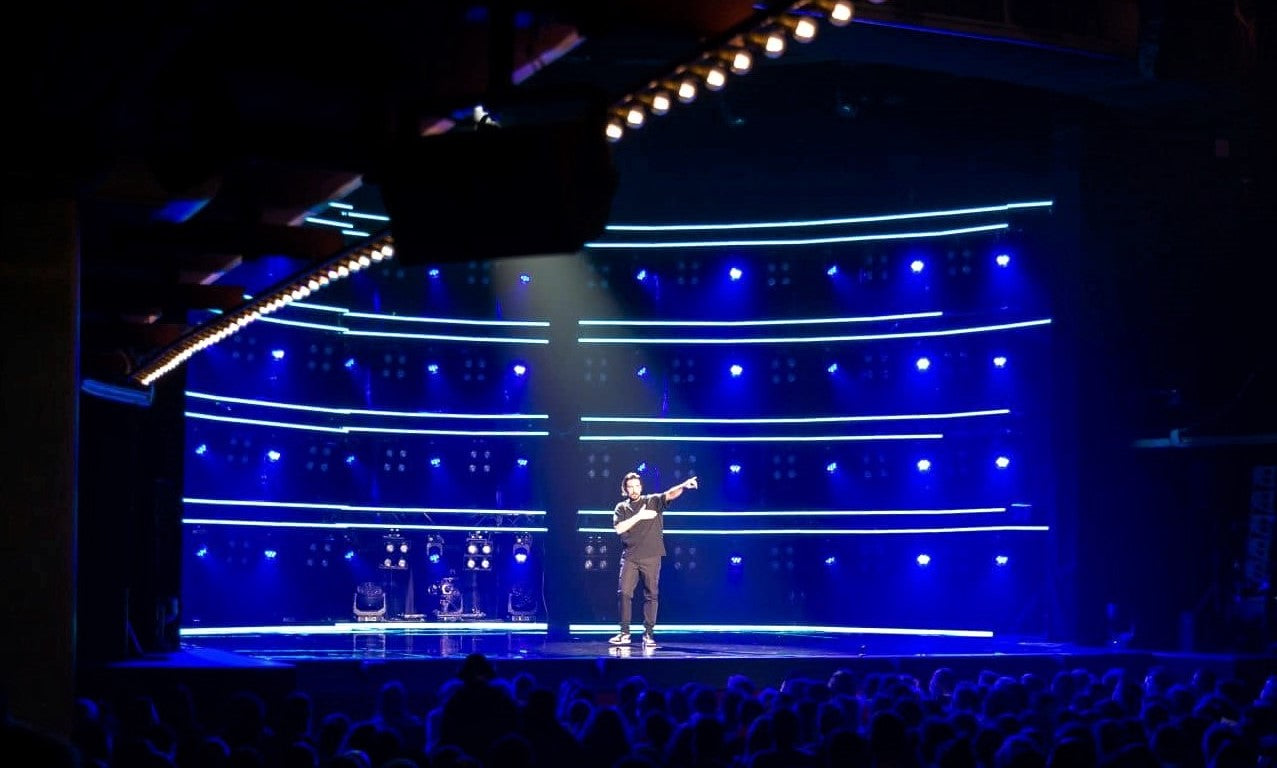
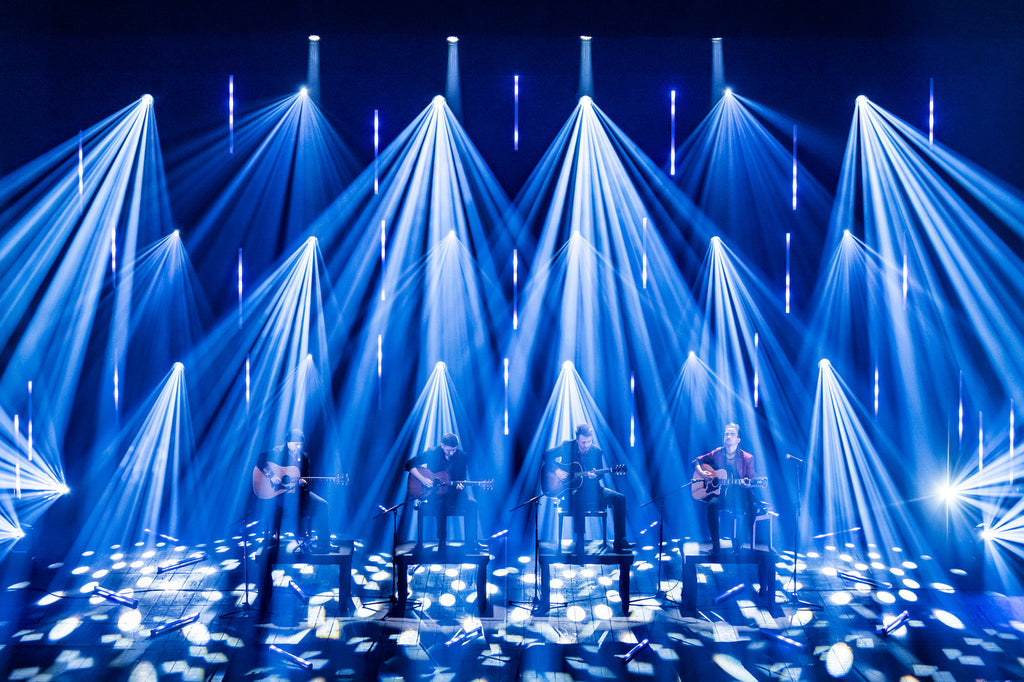
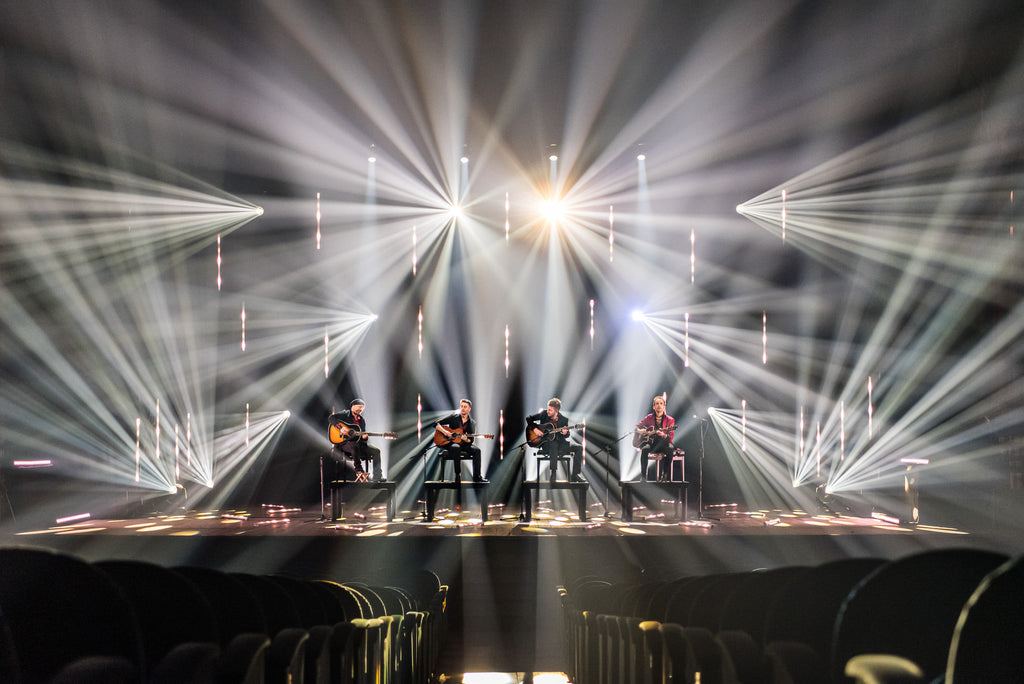
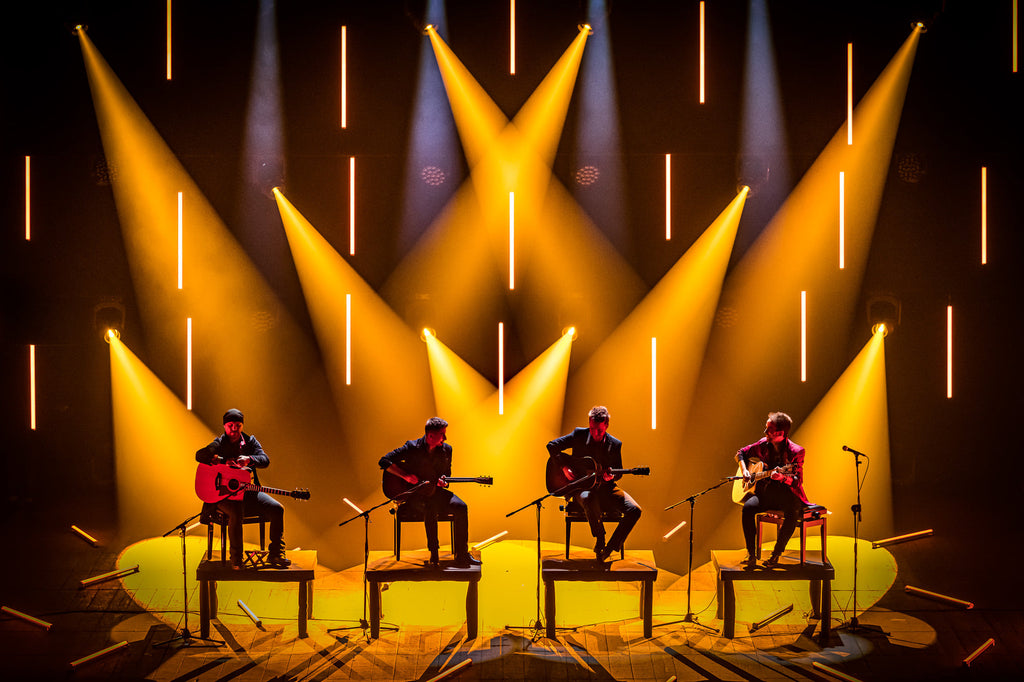
Helping this entertaining narrative unfold is a richly-textured, theatrically flavored lighting design by the G!theimagineers team of Vincent Rautureau and Andreas Monschauer that was powered by a ChamSys MagicQ MQ500M console.
Involving close to 300 fixtures and 50 universes when it debuted at Casino de Paris for nine sold out shows, which were recorded for the Amazon Prime, Arrive en Ville reflects the various situations, humorous and thought provoking, that Gasteuil finds himself in on his cultural odyssey.
“We started working on this show in July of last year and began preprogramming it in September for the January premiere in Paris,” said Monschauer, who ran the show on his ChamSys console. “This was quite different from a typical concert, in the sense that it was more intimate and had to tell a narrative. Throughout the process we did a lot of 3D drawings to show to Maxime and his team.”
A ChamSys user since 2010, Monschauer credits his MagicQ MQ 500 with making the complex show more manageable. “The Audio Timeline feature was extremely helpful,” he said. “I sent audio from the console and timeline and programming in a timecode was extraordinarily fast.
“Using our rig, we had to create multiple atmospheres with light by doing things like using beams to simulate windows in Paris apartments and pixel mapping FX to create the feeling of Maxime being on a train,” continued Monschauer. “And of course, the Pixel Mapper feature was a big help in allowing me to make different looks in no time!”
Color played a big role in Rautureau and Monschauer’s design concept. They used warm colors to reflect the friendly, supportive environment that surrounded Gasteuil in his village, and cold colors to evoke the different kind of mood when he encountered among the “arrogant” Parisians.

Arranging their fixtures in four rows that spanned almost the entire width of the stage, the two designers created a compelling sense of architecture. This not only served them well when creating urban looks for the Paris segments of the show, it also translated smoothly for the Amazon Prime crew’s cameras. Throughout the production, they accentuated the different moods of the set with adroitly executed changes in lighting.
“As long time ChamSys user, I never really thought about Motorised Faders, but the MQ500M is really a timesaver in this regard,” said Monschauer. “The ability to change banks from Playbacks to Masters with one button press is impressive. ”
In addition to crediting powerful console, Monschauer praises the staff that worked with the lighting design team on this show, noting that the producers, Magali Faure and Benjamin Demay; director/writer Edouard Pluvieux, production manager Matthieu Tortosa, and technical manager David Morcet among others were instrumental in supporting their efforts.
“This was an ambitious project that told many different stories, so it required a bold lighting design,” said Monschauer. “Thankfully the producers and directors gave us the freedom and support we needed.”
That support was well founded. Like a youngster from the country journeying to Paris for the first time, these designers had a big vision – and thanks to their talent, inspiration and hard work, along with some help from a powerful console, they made it all come true.

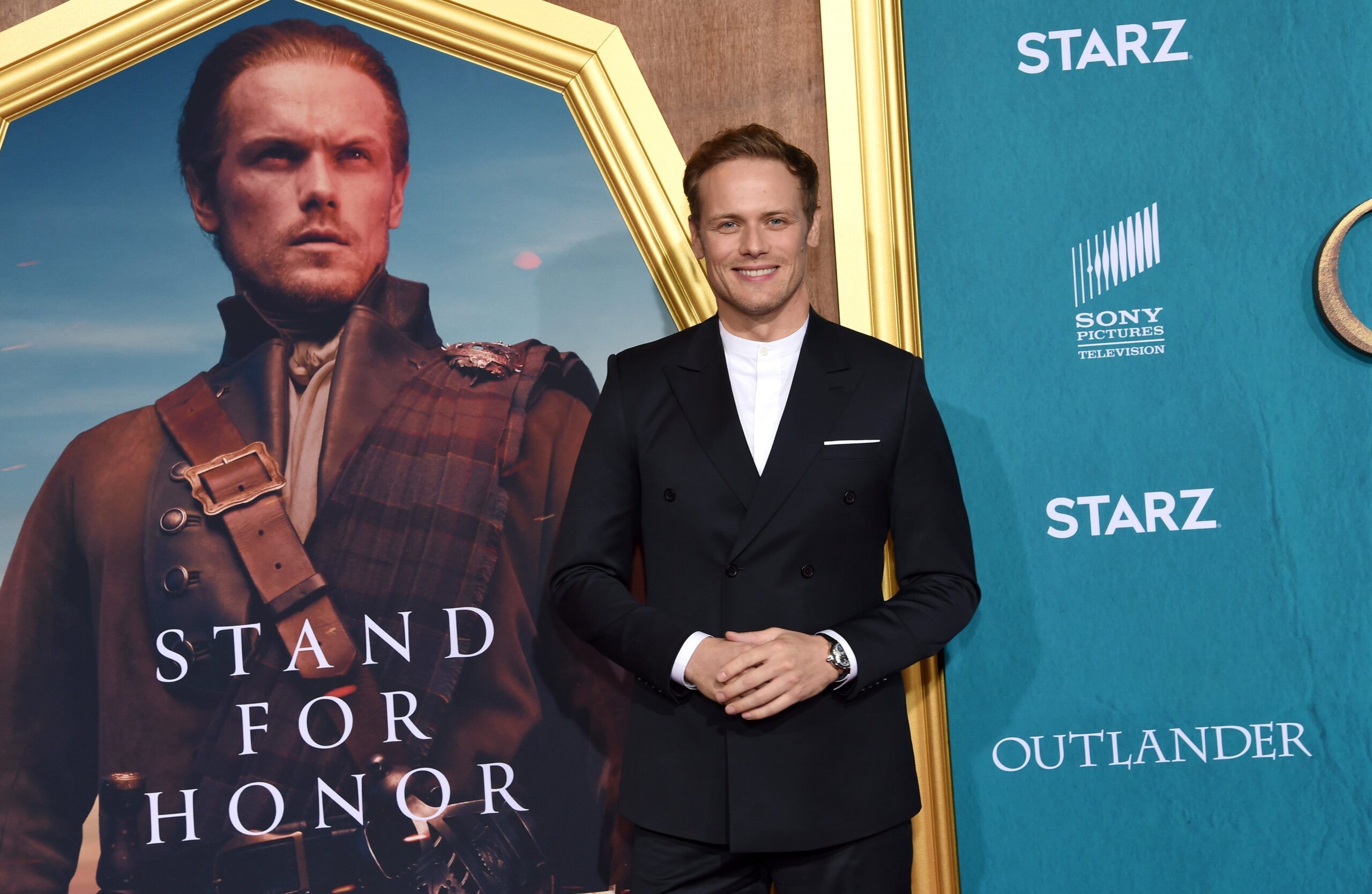
 Towler, of Nineteen Sixtyone Ltd., began working on Outlander when it debuted in 2013 at the invitation of its HOD Gaffer Scott Napier, and has been with the program for all six seasons since. In that time, the show has made a major transition from tungsten and HMI heavy lighting into a rig consisting mostly of LED fixtures.

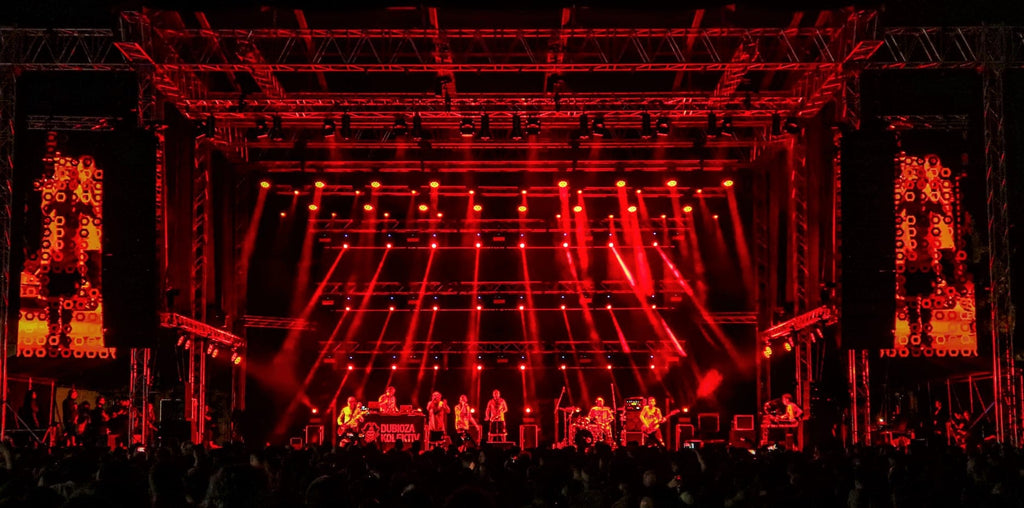 For the Arsenal Festival, Birsa called on his
 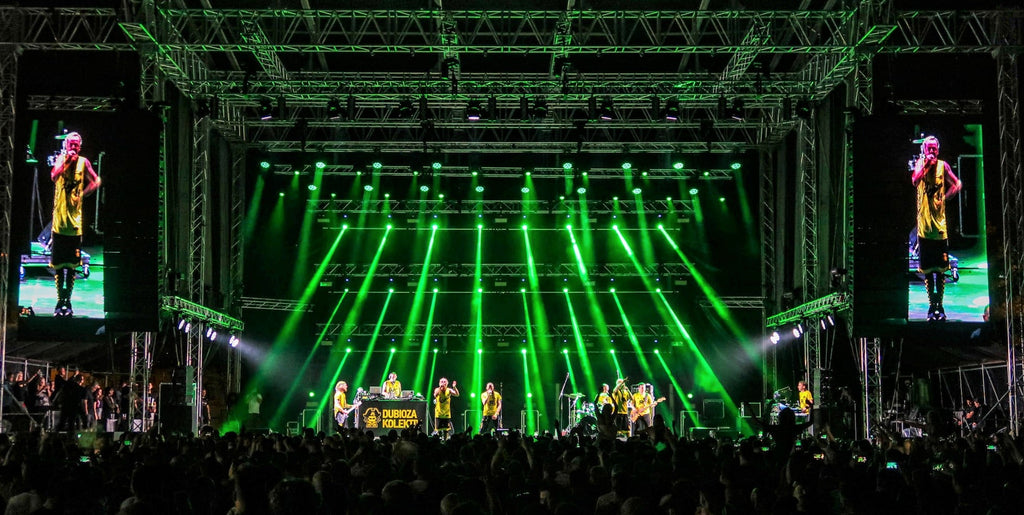 Given the complexities of his Dubioza Kolektiv show, Birsa said time coding was essential to his plans. “I could not have done things quite this way without timecoding,” he said. “The show would have to be built with much less to it if I had to run everything 100-percent manually. Happily for me, the MQ80 does a great job receiving timecode.”


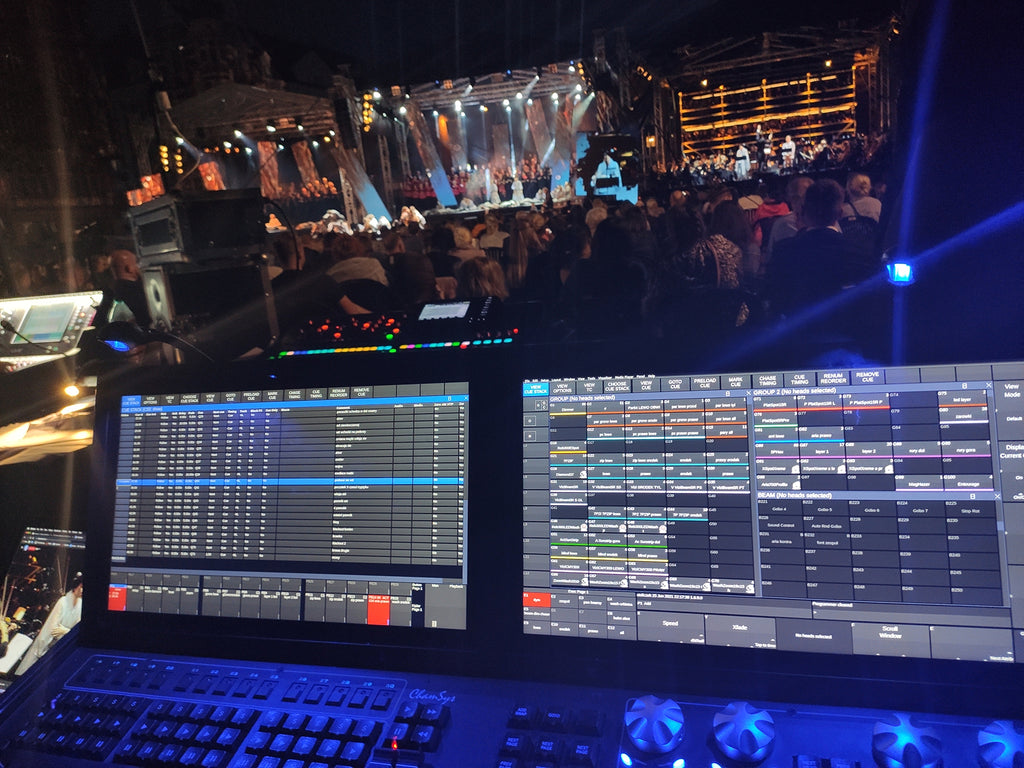 Despite this issue, Hyra was able to create a captivating lighting design that engrossed the large crowd gathered in Byton’s historic Market Square as well as those watching the livestream of one of the most important events in Poland. Dynamic and deftly executed, his smooth color changes and seamless transitions flowed naturally with the traditional Polish folk dancers on stage. Later in the evening, when the initial performers were replaced by a rock band, he created a tour-like show.
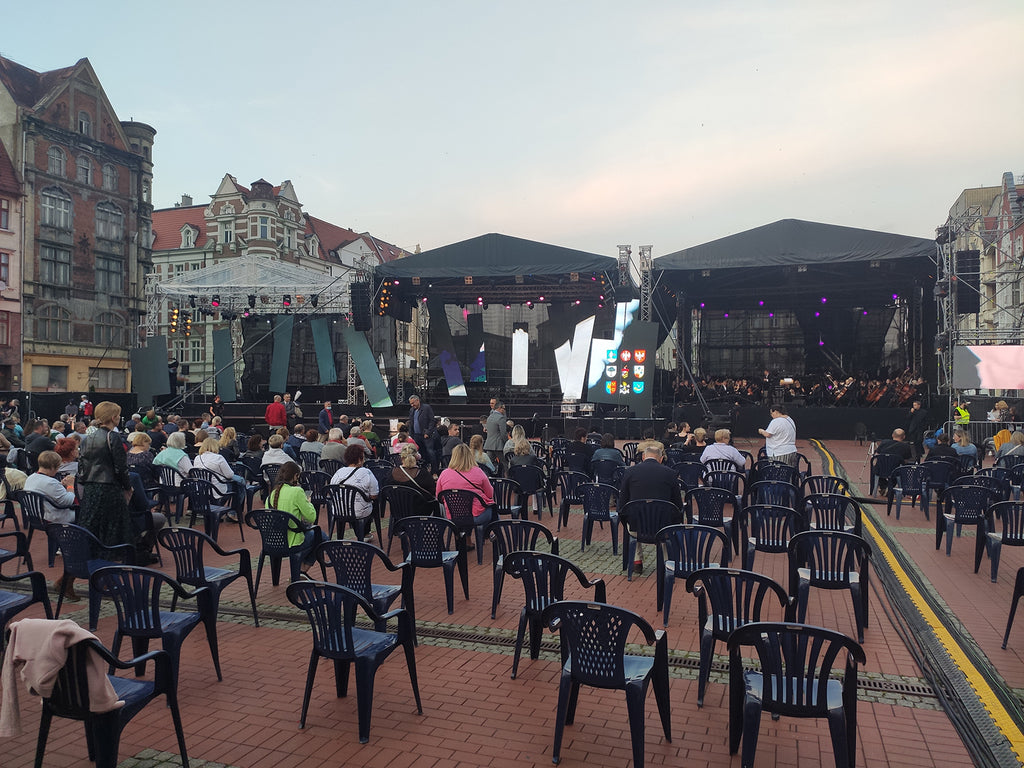 Hyra credits his console’s “easy on the fly cue editing,” with helping him adapt. He notes that thanks to this capability he was able to change looks quickly to reflect the vision of his director. The user-friendly intuitive interface of the
 Building on the energy of the band’s performance and driving the intensity level ever higher was a 40-universe Niller Bjerregaard light and video show powered by the designer’s two
 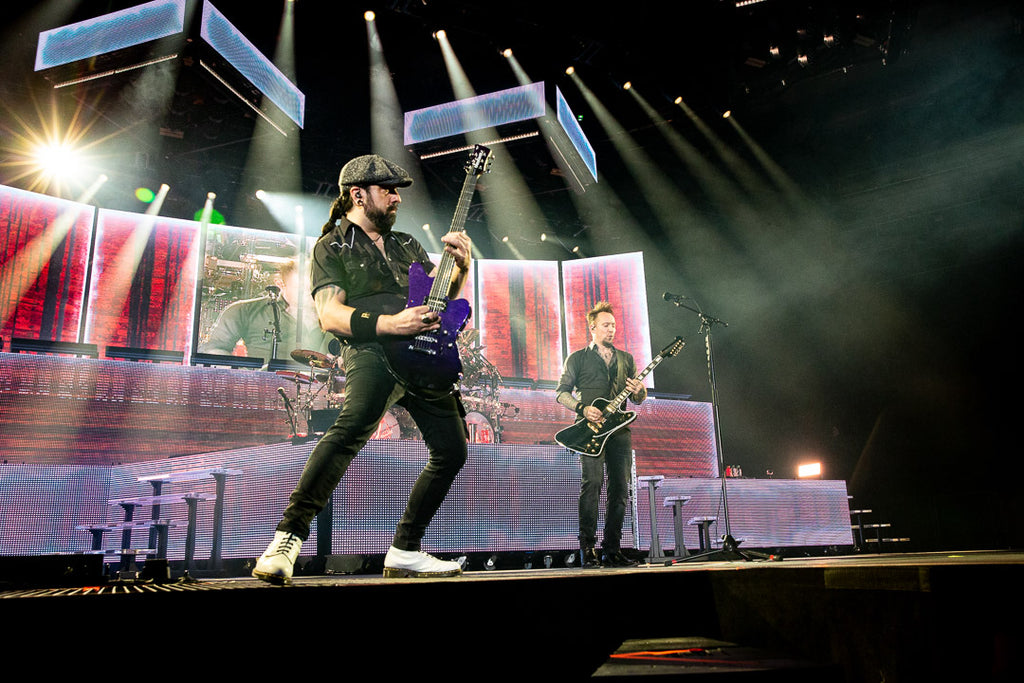 “The broadcast was as original as it gets,” said Bjerregaard. “All elements and features were as they happened that night and nothing was added or changed to enhance the viewer experience. The Stuttgart recordings were part of numerous recordings on that tour, but no elements were used from other shows, so what fans saw was exactly what happened. This video is a close as possible to that night, which is pretty cool.”
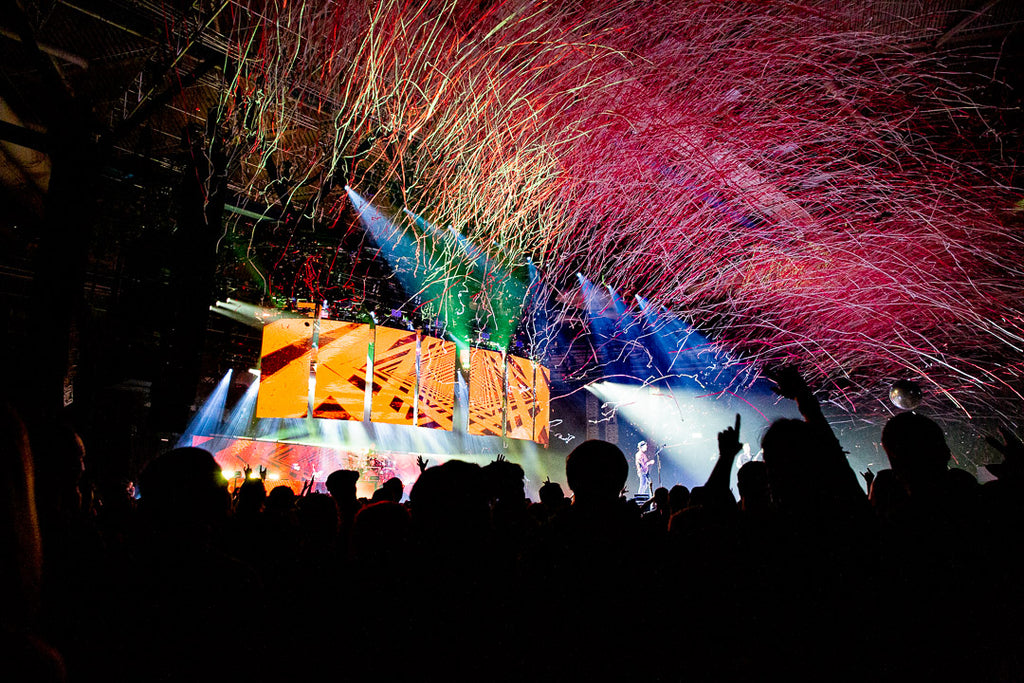 Bjerregaard used the M-Box Media Server. “Michael Austin Smalley, a renowned Light/Media Designer from Las Vegas and great friend, helped me in setting up,” said Bjerregaard. “My MQ500 controlled the media server with special designed video content, including movie clips with matching sound effects through the PA, as well as all camera live feeds.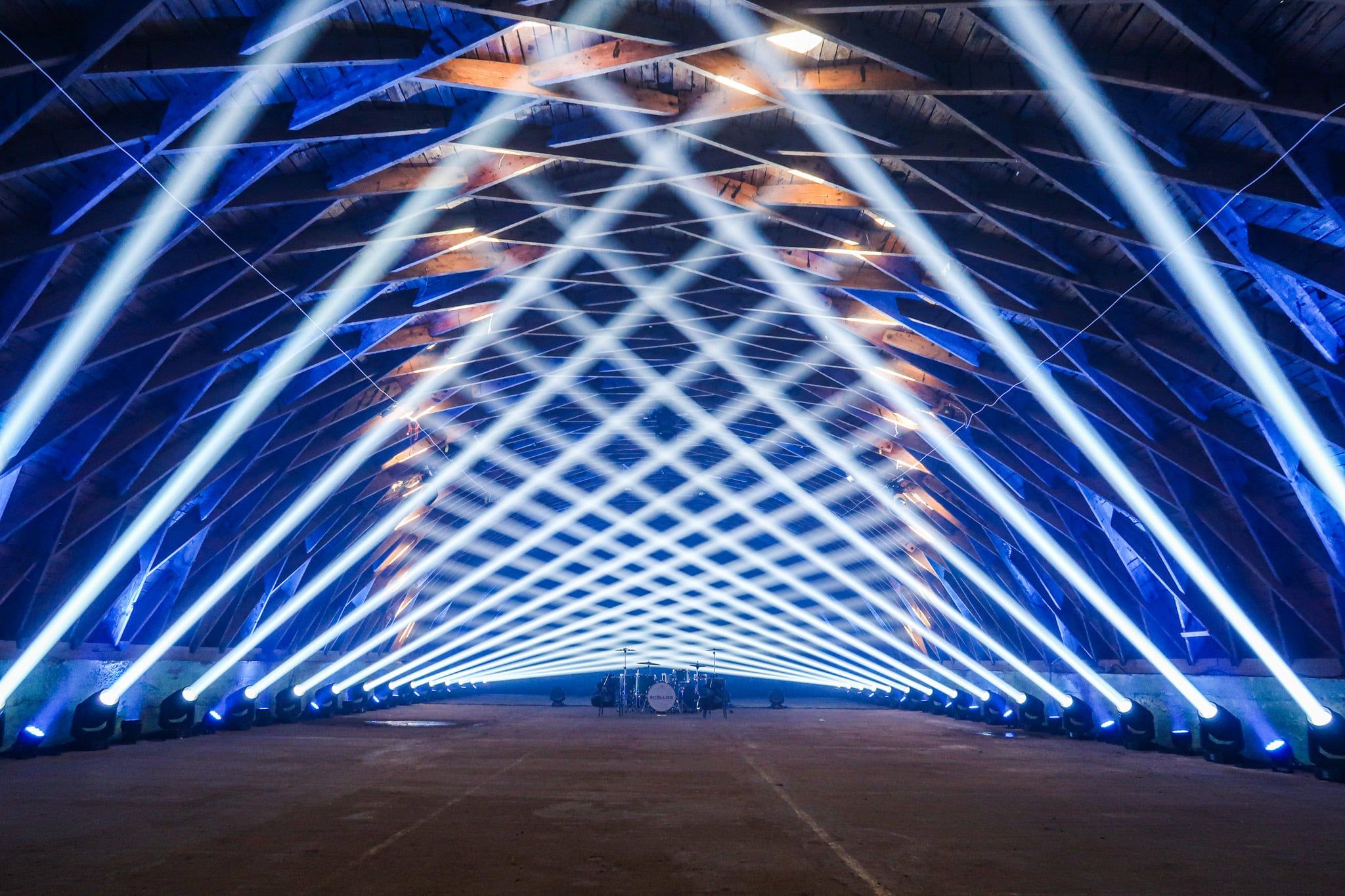
 Their bows feverishly jumping off the strings of their instruments, Luka Šulić and Stjepan Hauser, the Croatian cellists who make up the group, mange to push the oft-played rock classic to new levels of intensity. Reflecting the driving force of their performance visually throughout the 4 minute and 21 second video is a dynamic and intricately layered light show by Crt Birsa of Slovenia-based Blackout Lighting Design.
  “I didn’t want to go multicolor,” he said. “Basic palettes were the most well-suited for this venue. Patterns and movement were what I relied on to visualize the music in a way that stood out.
 Birsa notes that the Time Code and Cue Editing features his
  “The MQ80 is a compact unit, but its powerful enough for elaborate jobs, and it’s a straight forward console to run,” he said. “For me, it’s the perfect console to take it on the field when I have a pre-programmed show and all I have to do is make some corrections. It also has UPS inside, which is most useful when you run the whole system by generator. If it runs out of fuel or something else happens, you have the chance to save the show and shut down securely. Really, this console has never let me down.”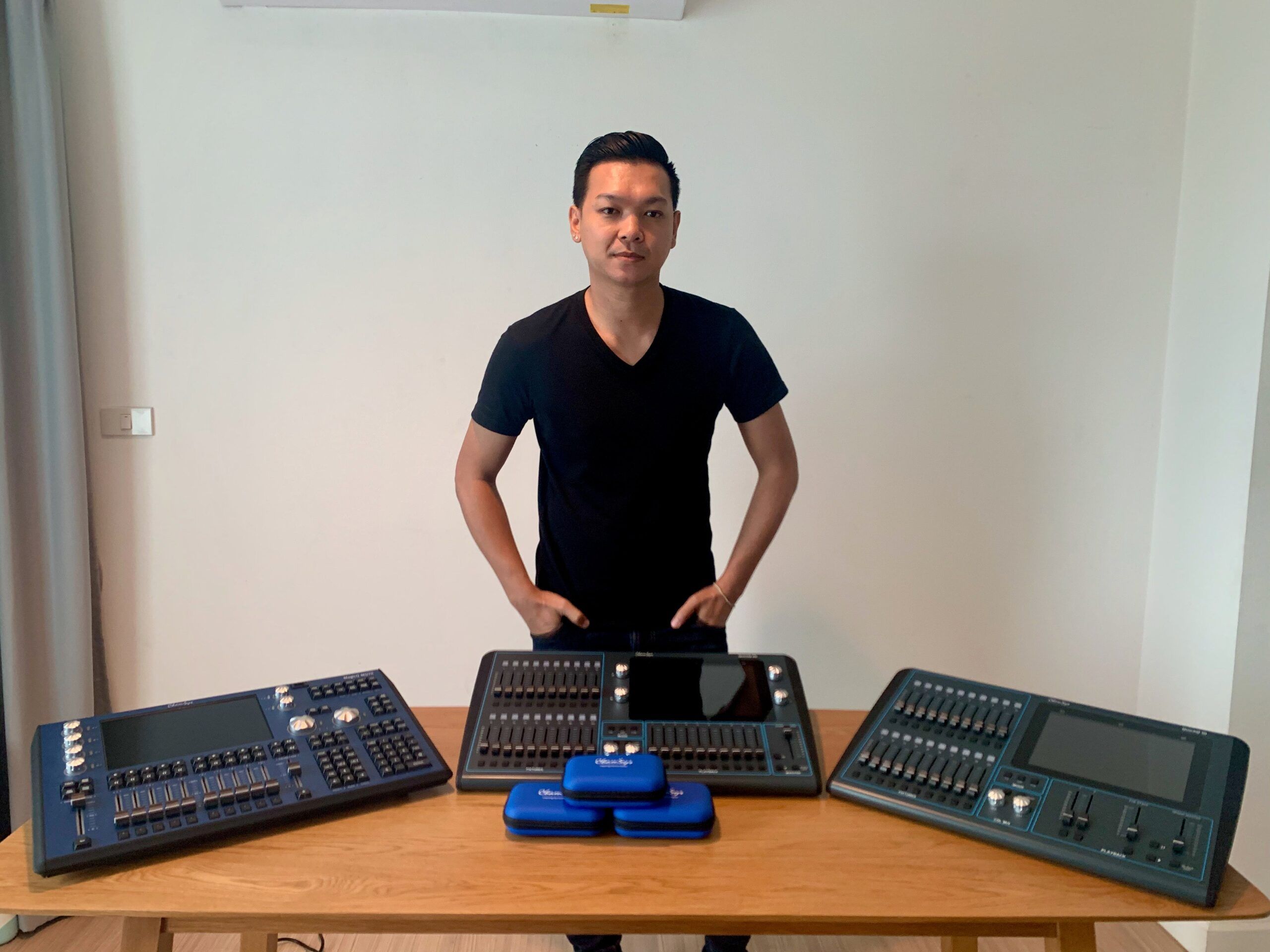
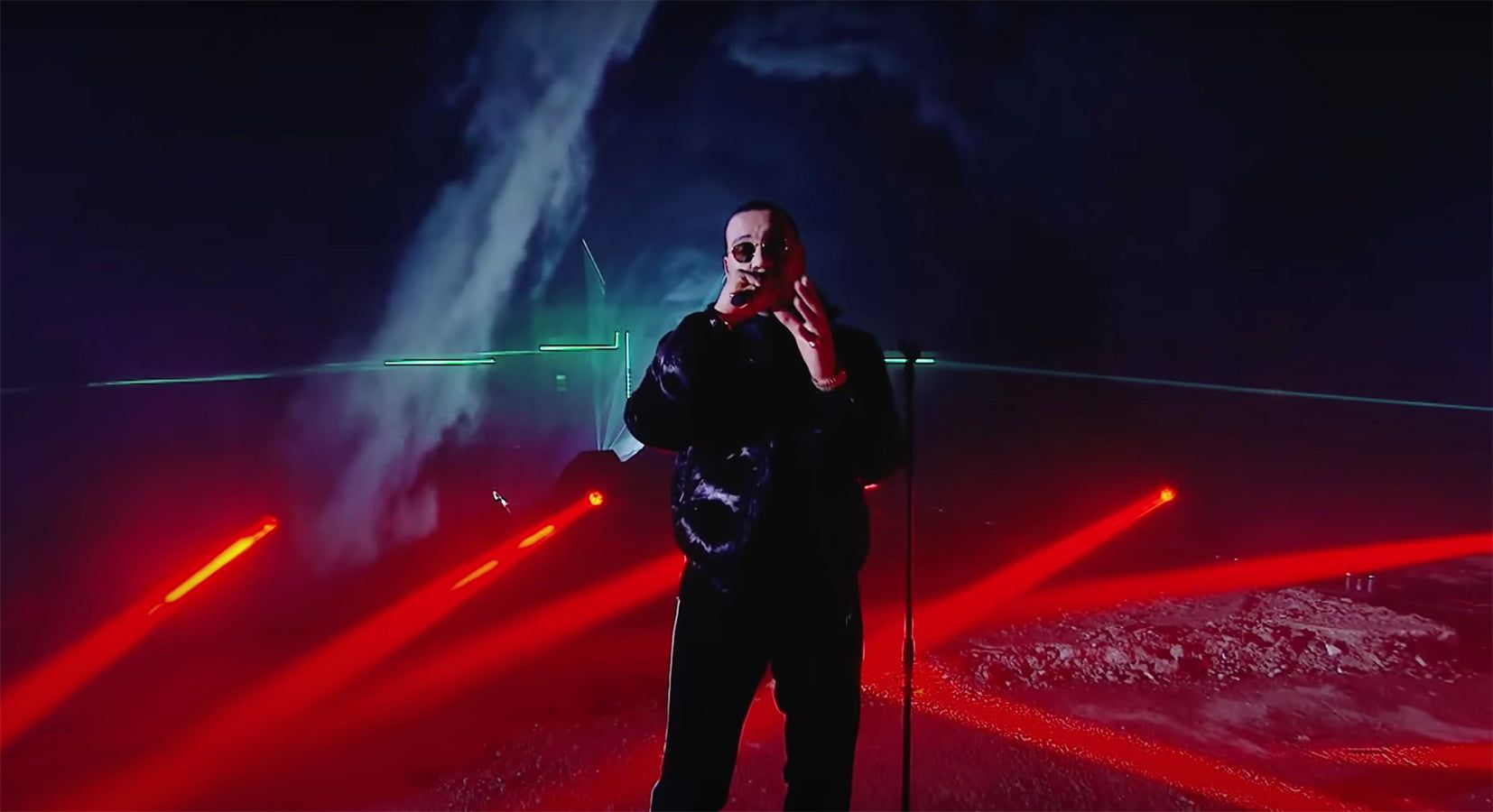
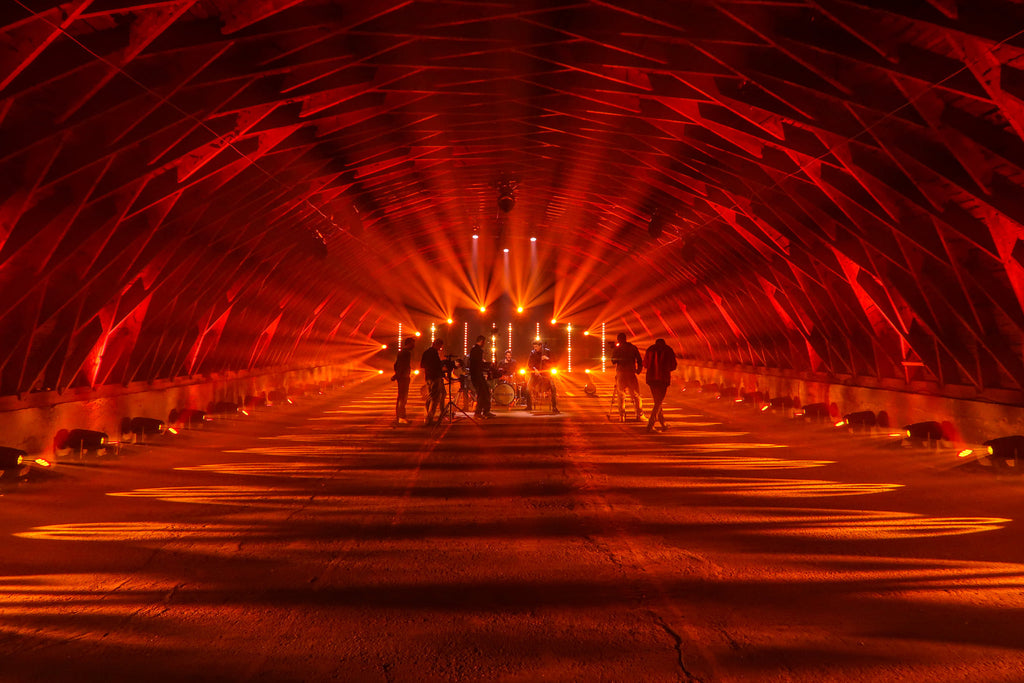
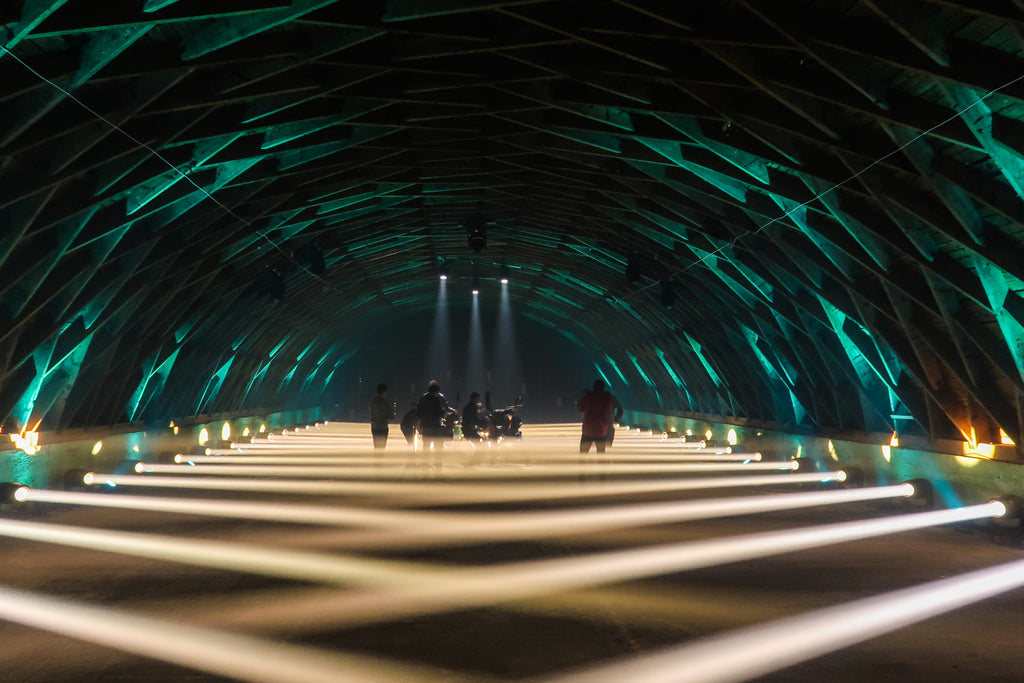
 Drawing on the brooding aura of its physical setting, Babenhausen Kasserne, an abandoned and desolate former military base that was built 120 years ago, the video evokes a haunting air of mystery. This quality is accentuated by Adrian Schmidt’s riveting lighting design that he powered with his ChamSys
 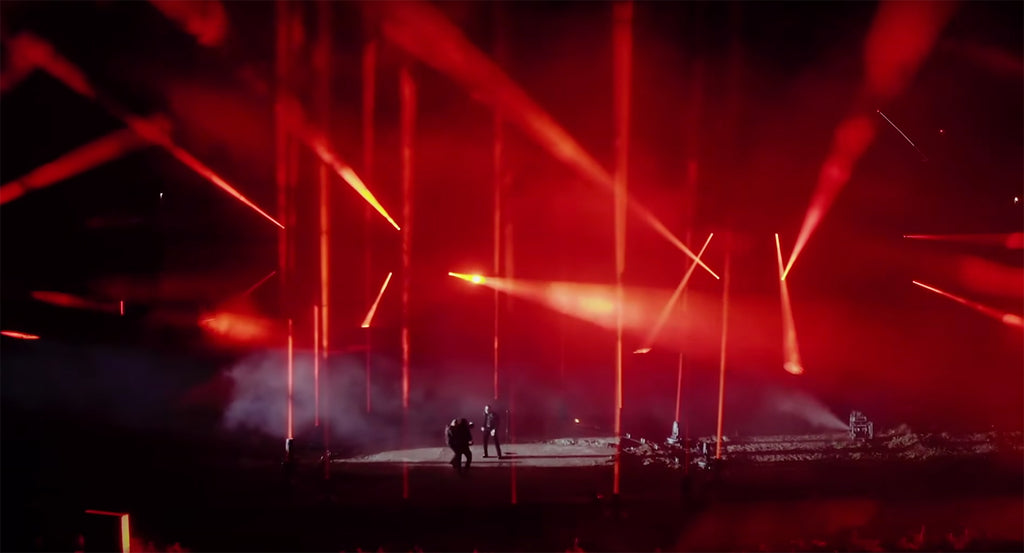 Throughout the video, Schmidt creates wave after wave of lighting intensity that includes towering aerial effects, brilliant white flashes, and cascading “waterfalls” of light. Helping him navigate his way through this vortex of looks was his trusty console.
  “All the features of the ChamSys helped me in this project, as we had limited infrastructure, a huge (113m x 85m) area, and long cables for data transmission via ArtNet,” said Schmidt. “We also had very little time for setting everything up, as the sun went down at 5 pm. My console performed flawlessly through it all.”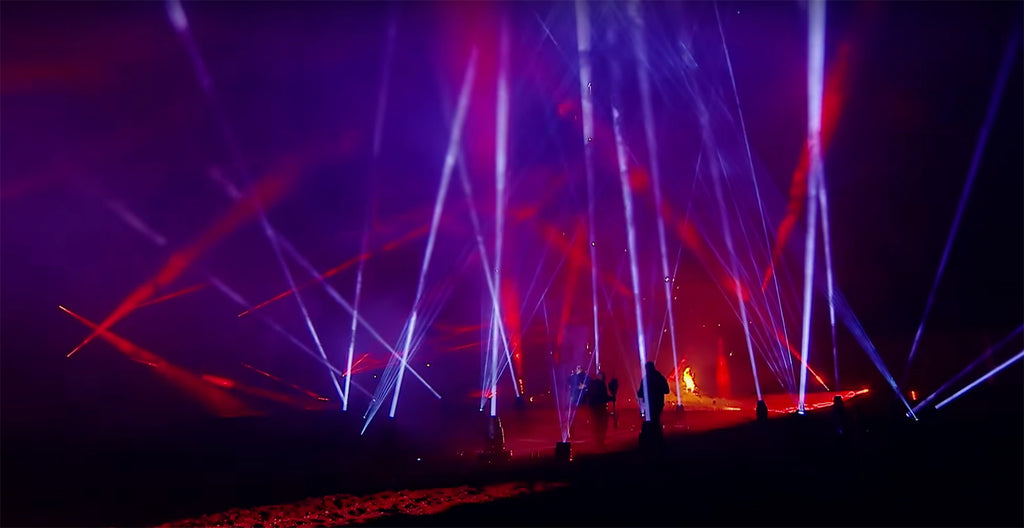

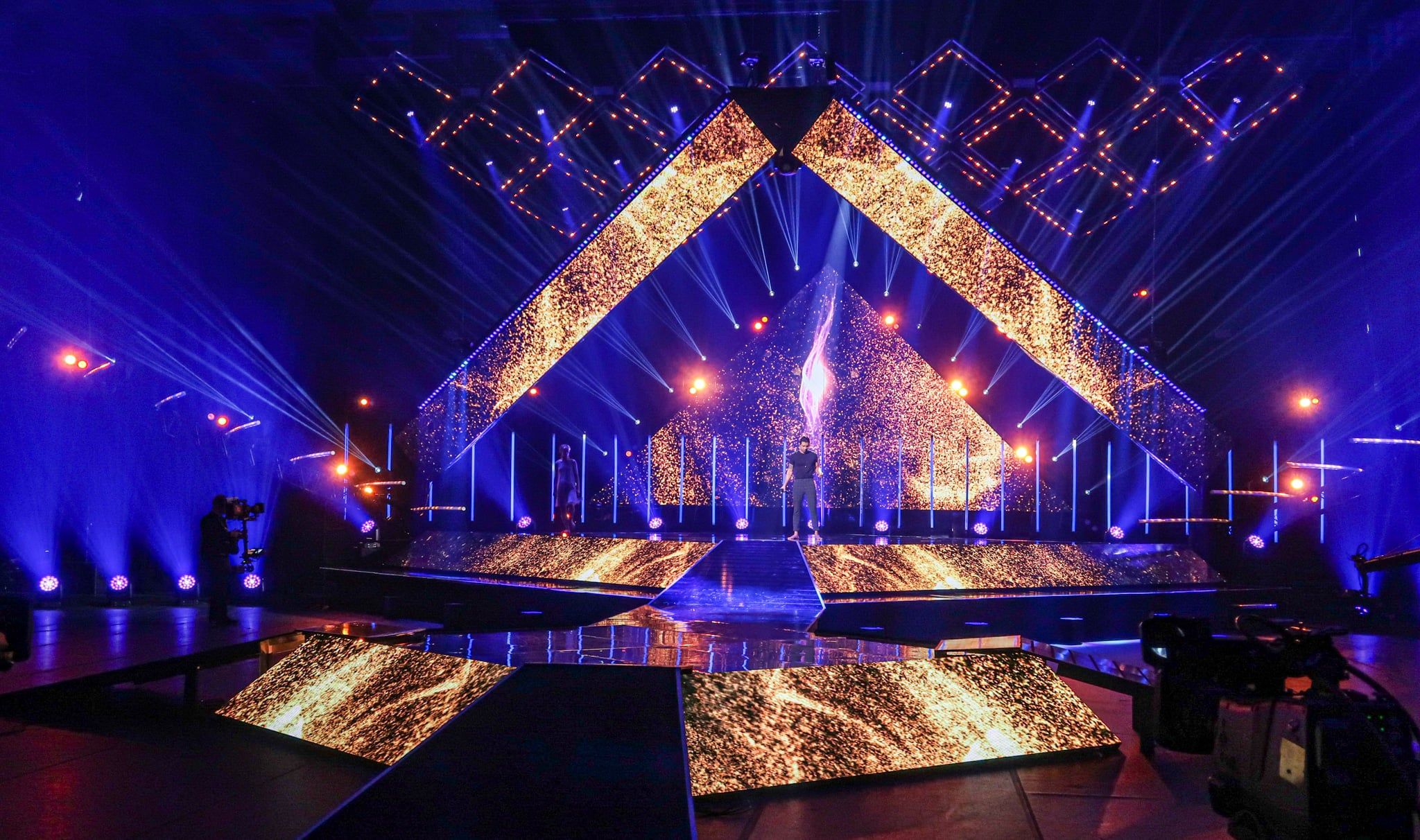



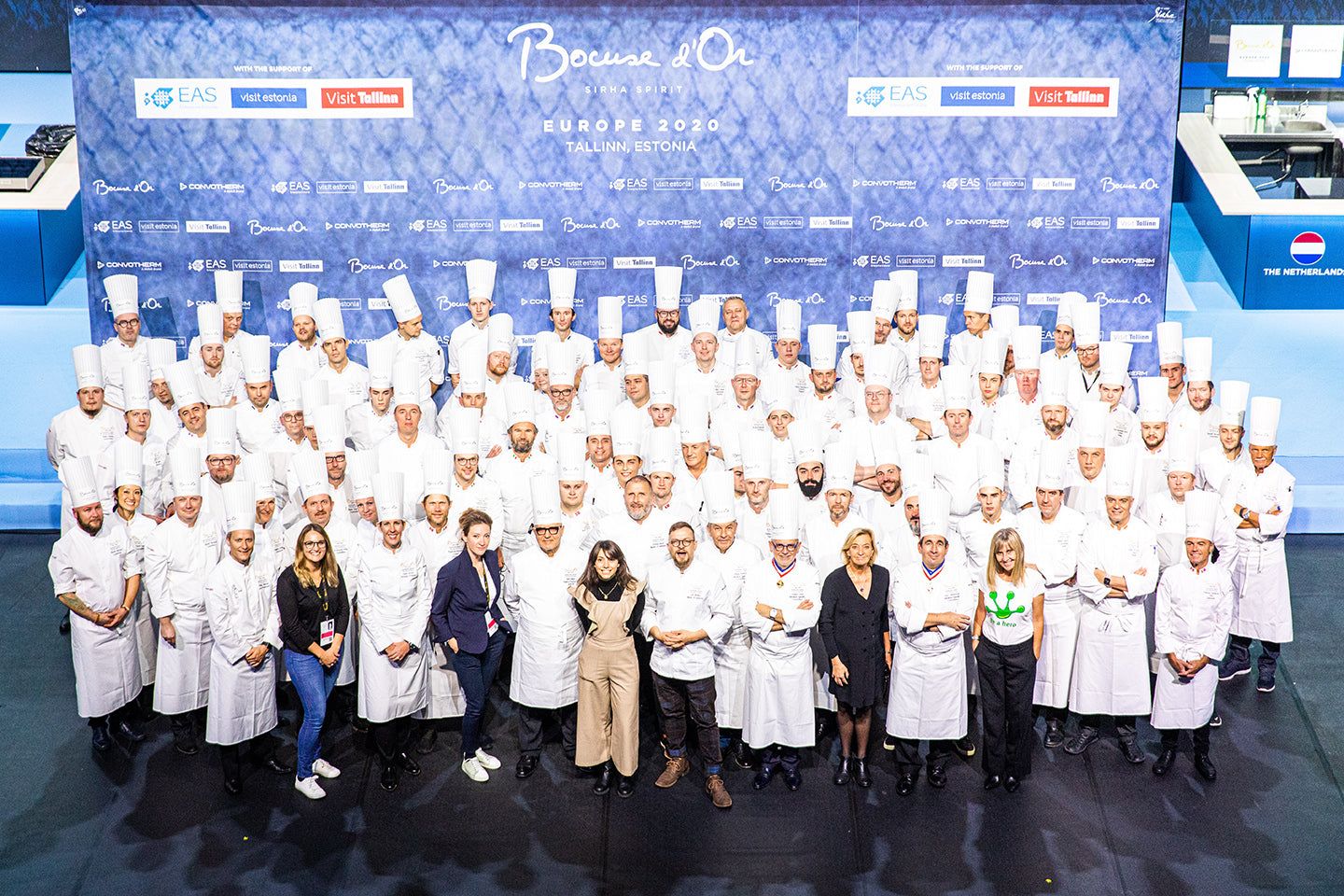
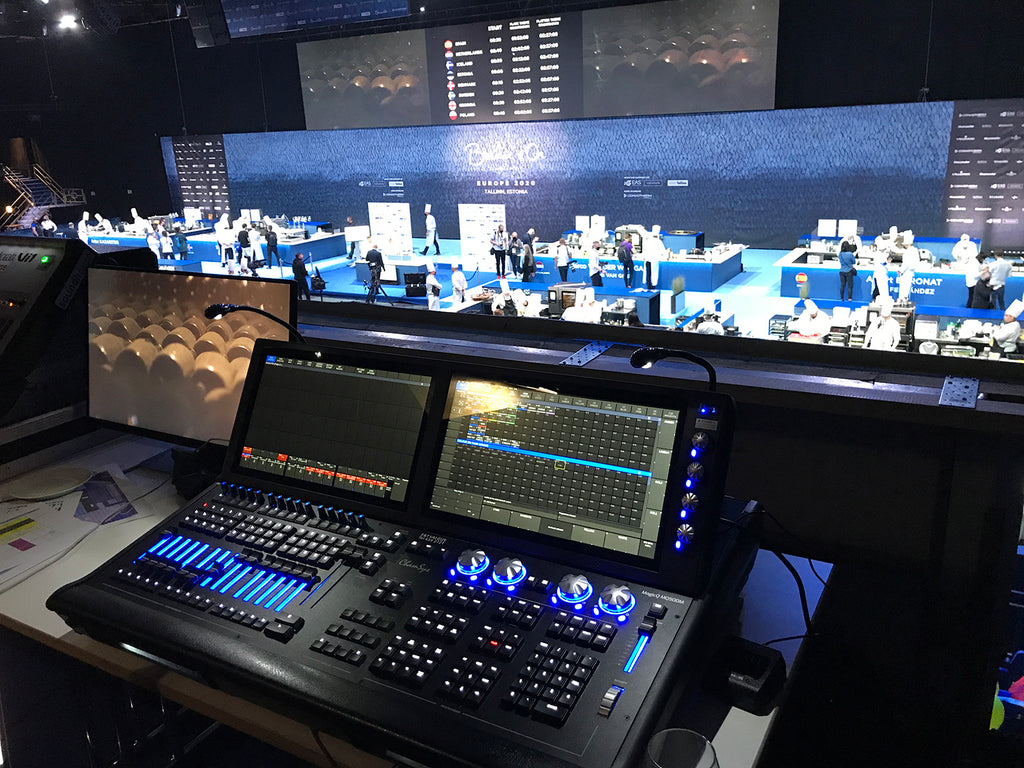 As the top chefs and their assistants met in secret that morning,
 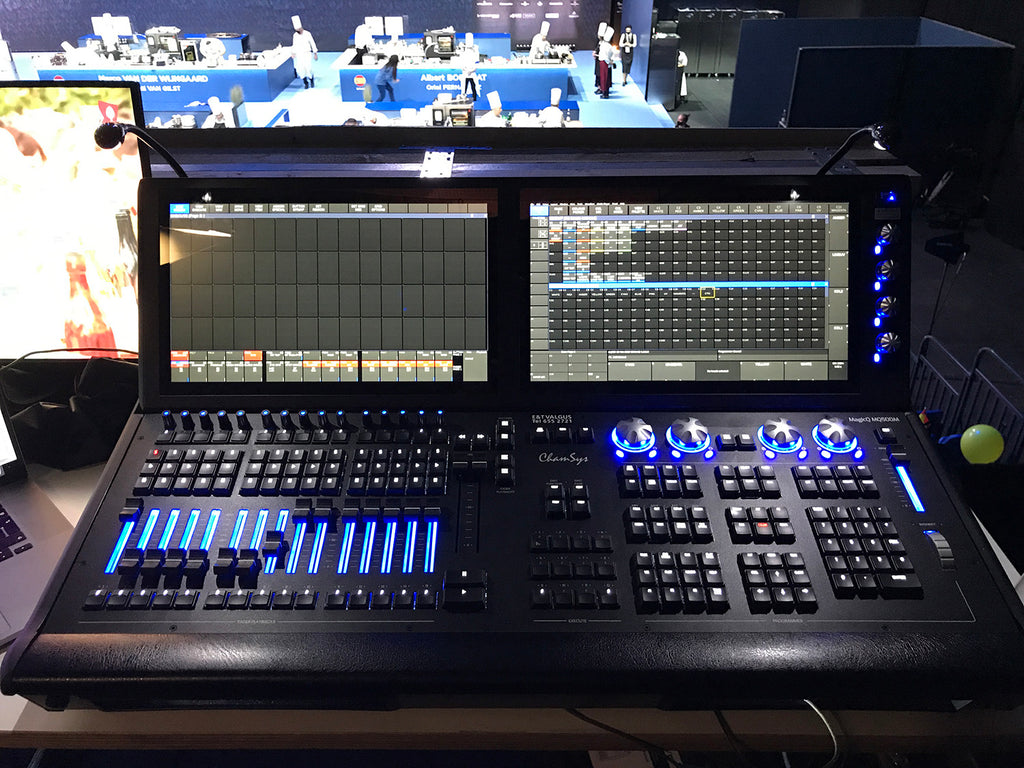 A ChamSys user for ten years, Luhaäär only recently moved up to the MQ500M. He found the transition seamless. “I had used this console a few times before, so I was familiar with it,” he said. “The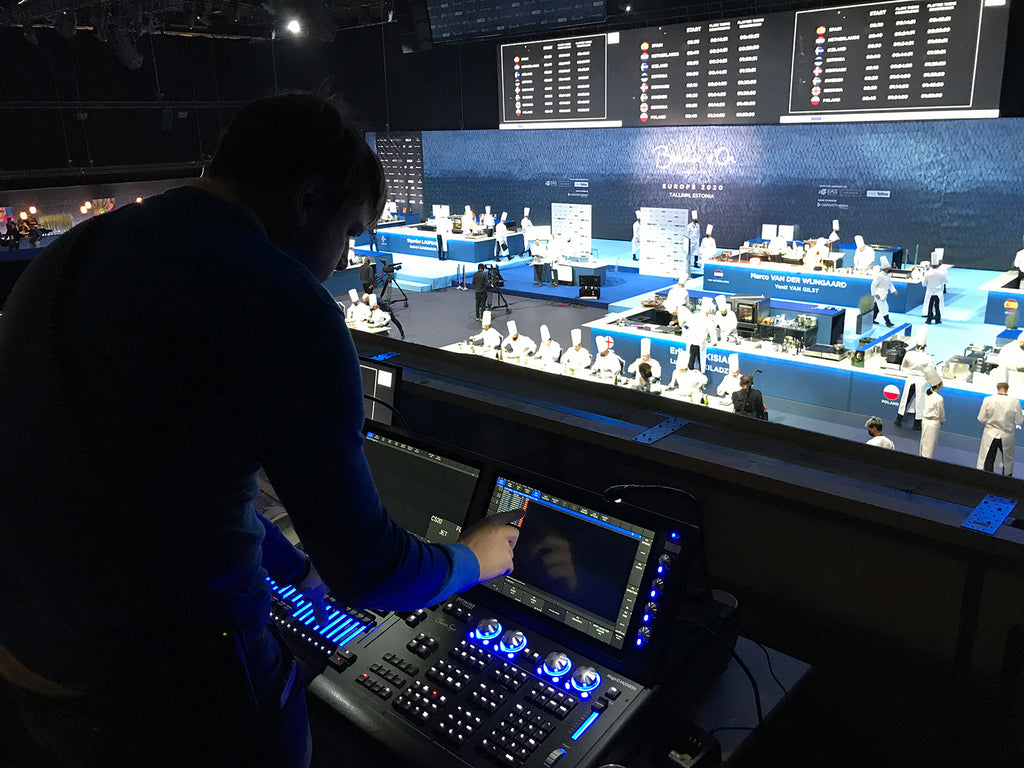
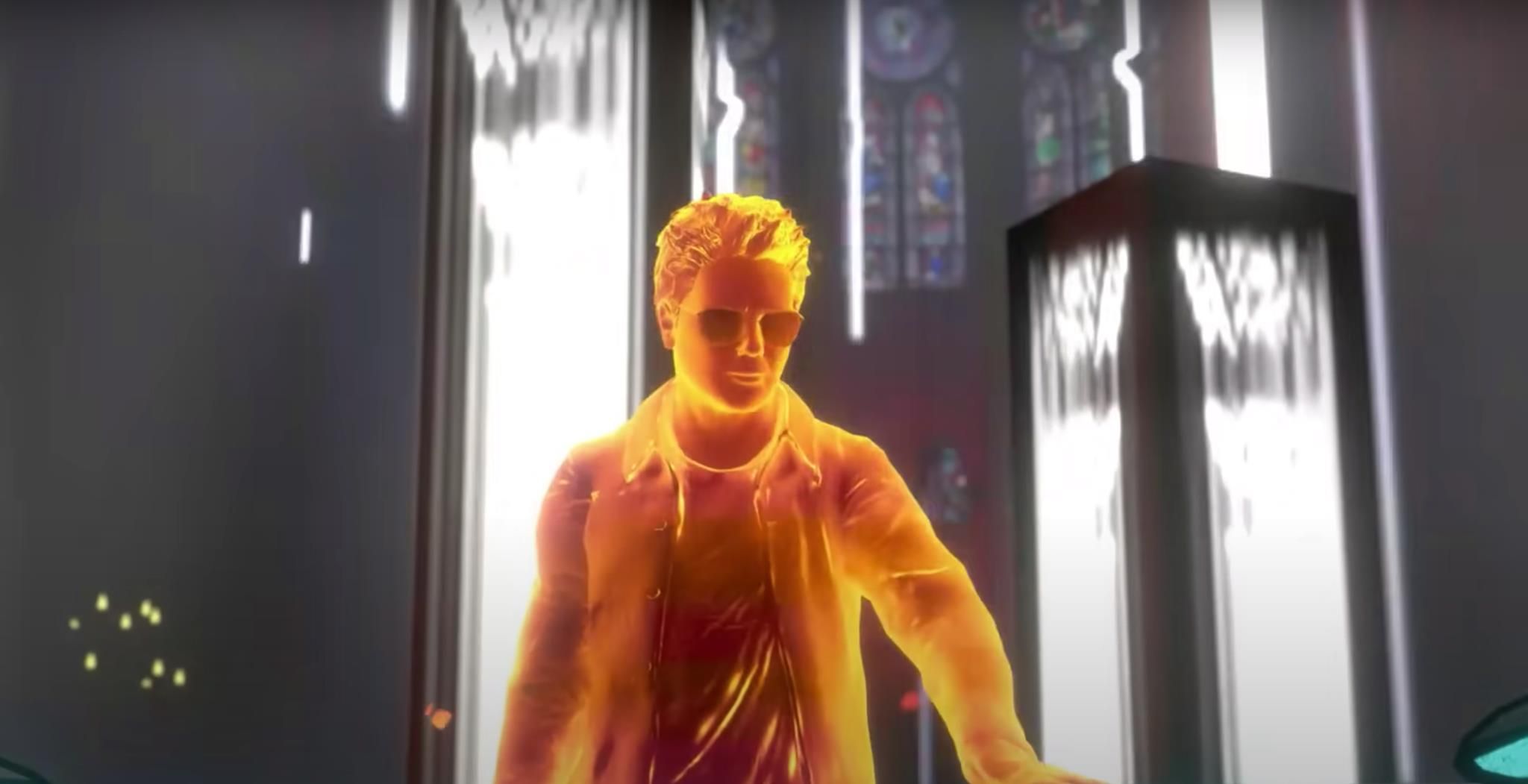
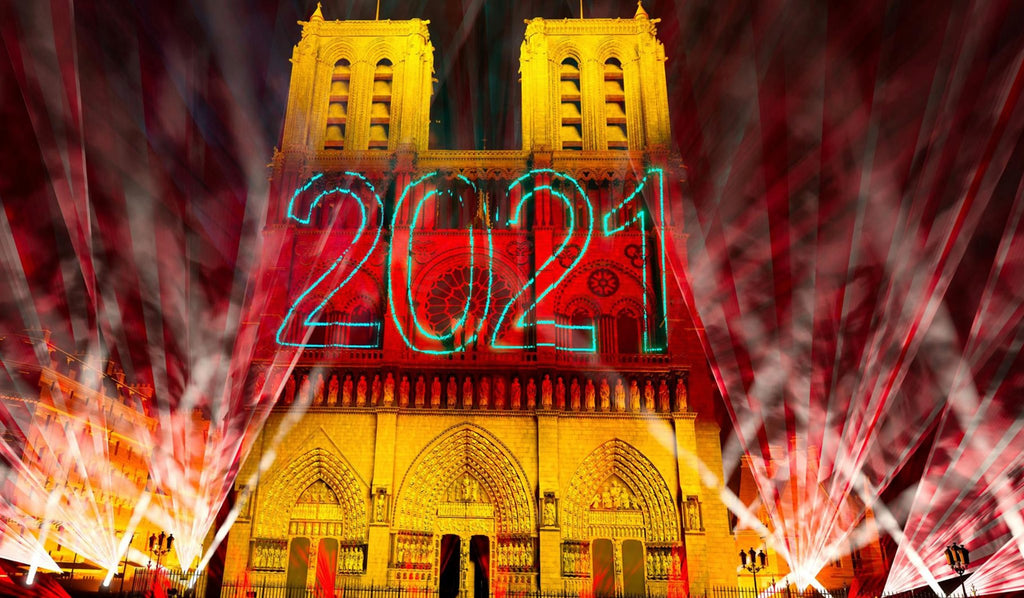
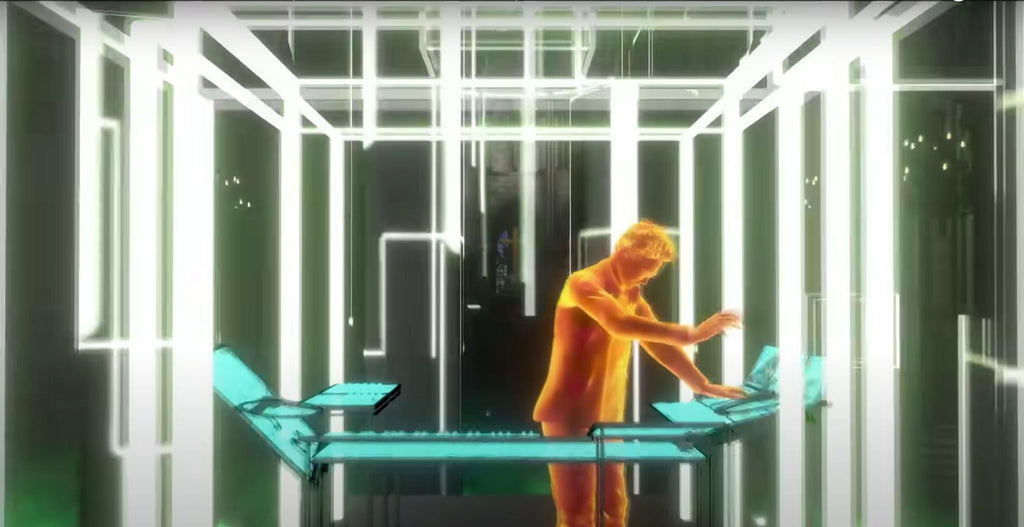 “We programmed the cues with a
 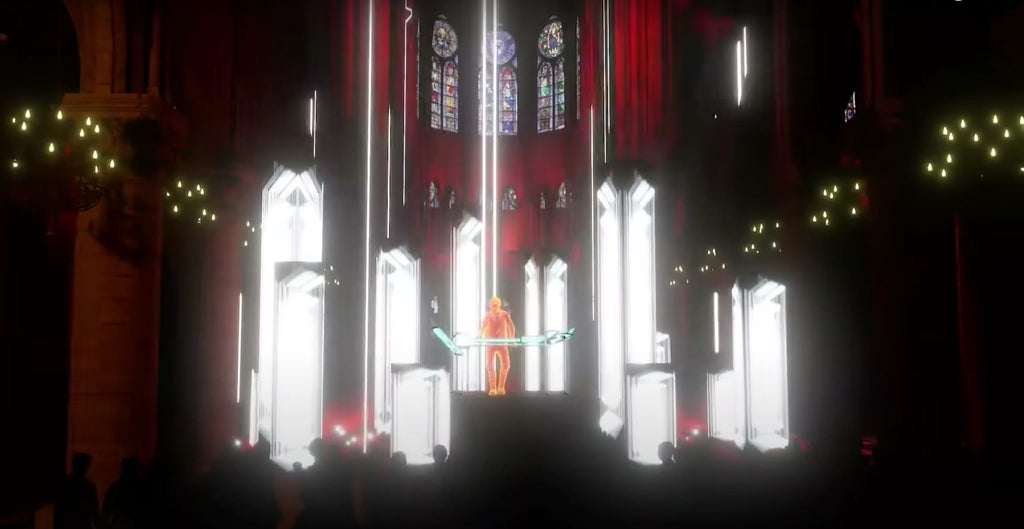 “The stage lights are actually not real light but volumetric shaders that were animated by Victor Pukhov to mimic my ChamSys programmed lighting cues,” said Morandi. “Most importantly, Vincent Masson created the 3D animations that made the show look stunning. He used our 2D content as starting point, and with a lot of passion and talent created the 3D versions of it.”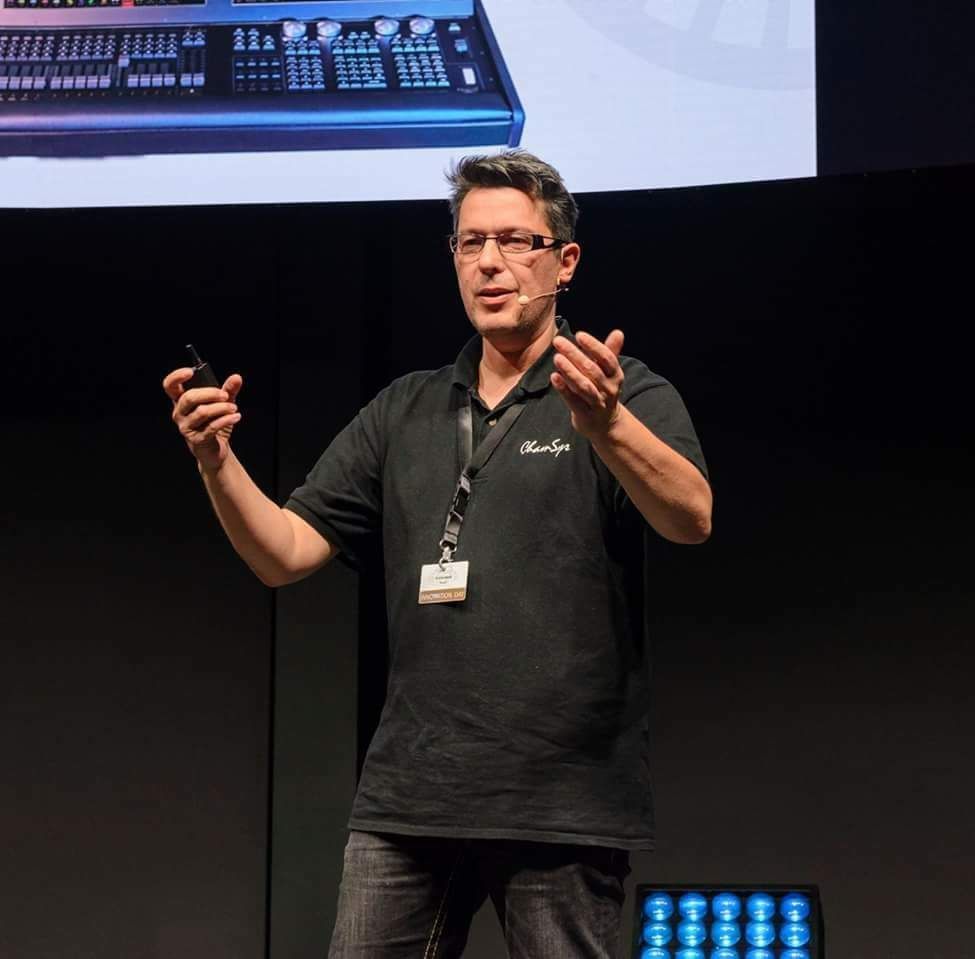
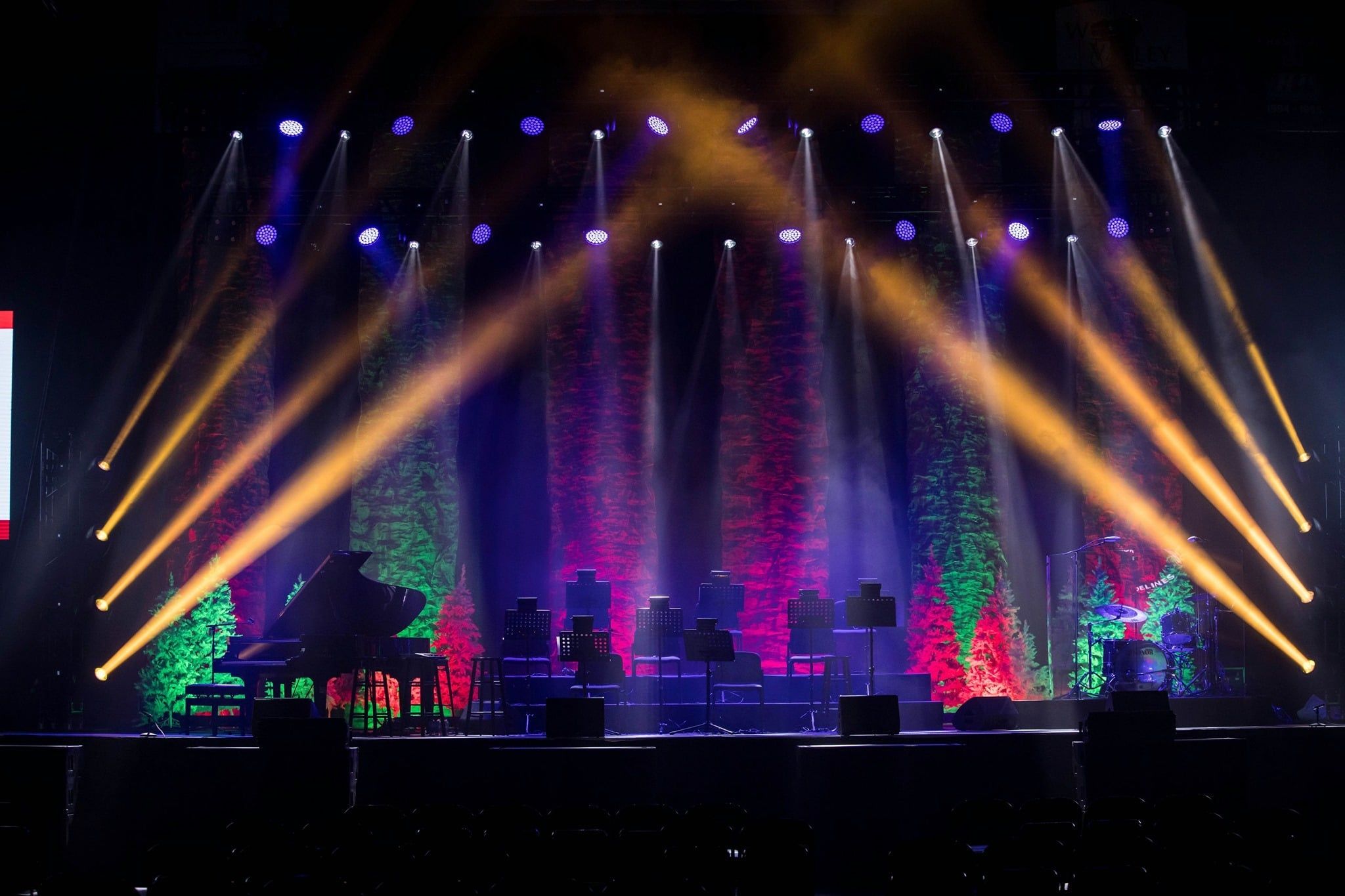
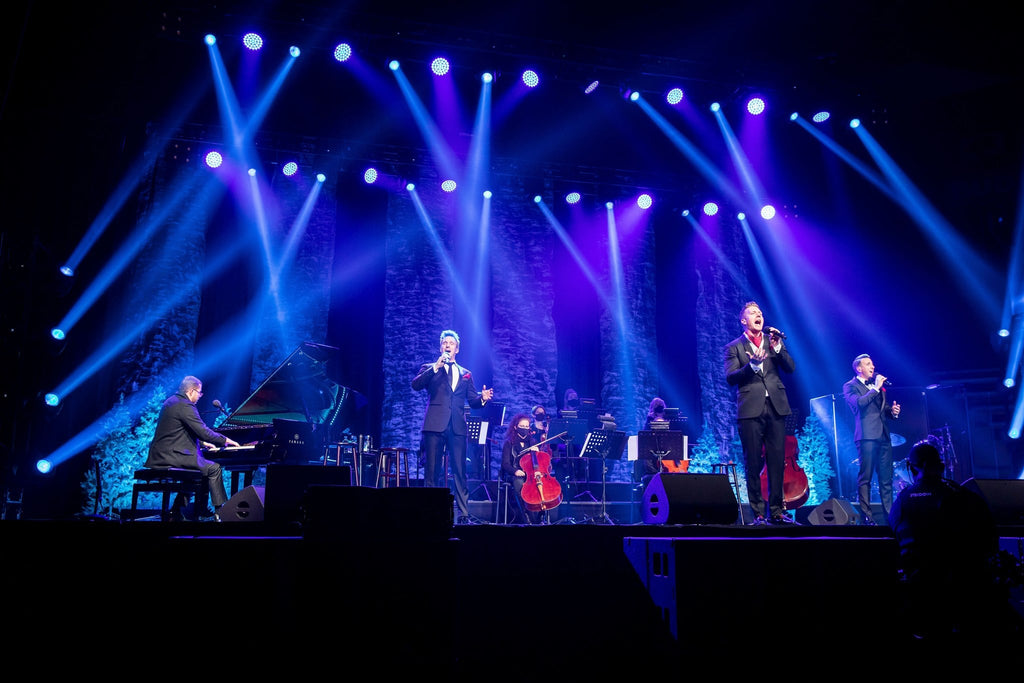 Their sound can also inspire an uplifting lighting design — even on short notice. This was plain to see at the trio’s recent socially distant livestreamed concert at Salt Lake City’s Maverik Center, where Nicolas “Murph” Murphy supported their evocative cinematic-like performance with an artful blend of bold light and shadows.
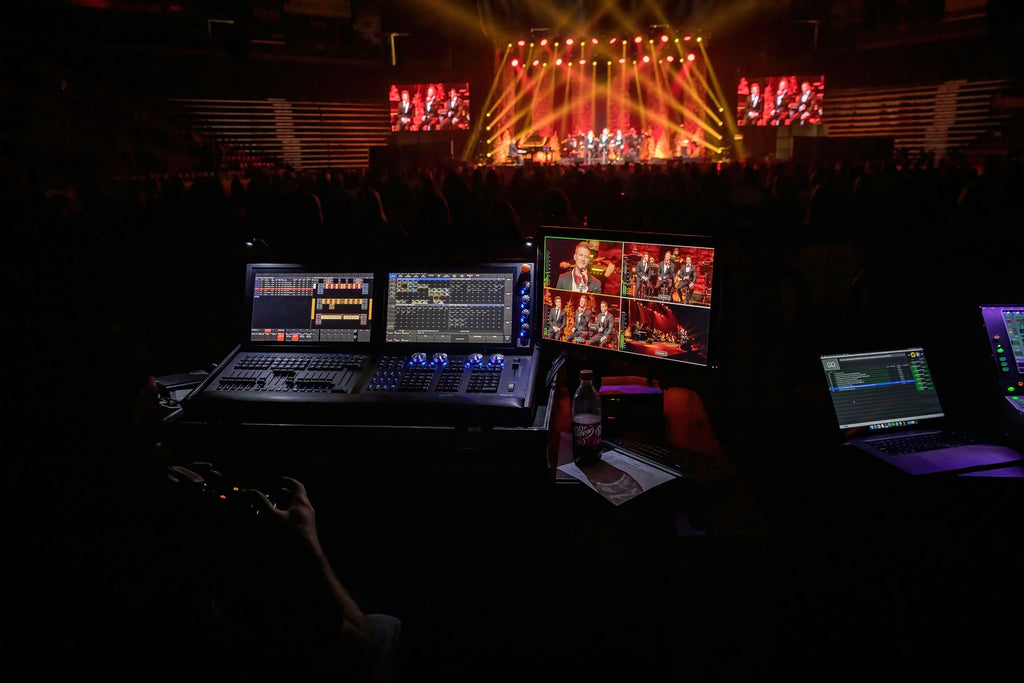 “The group’s production manager is an old high school friend of mine,” he said. “I was able to get a recording of every song they planned to perform. I tend to listen to the track a few times and then program out what I visualized in my head. Kind of my normal process when I am afforded the time. Due to our limited time available in the venue, I pre-programmed everything in MagicVis at my house in less than a day, something I was able to do, because it’s so easy to work with this software.”
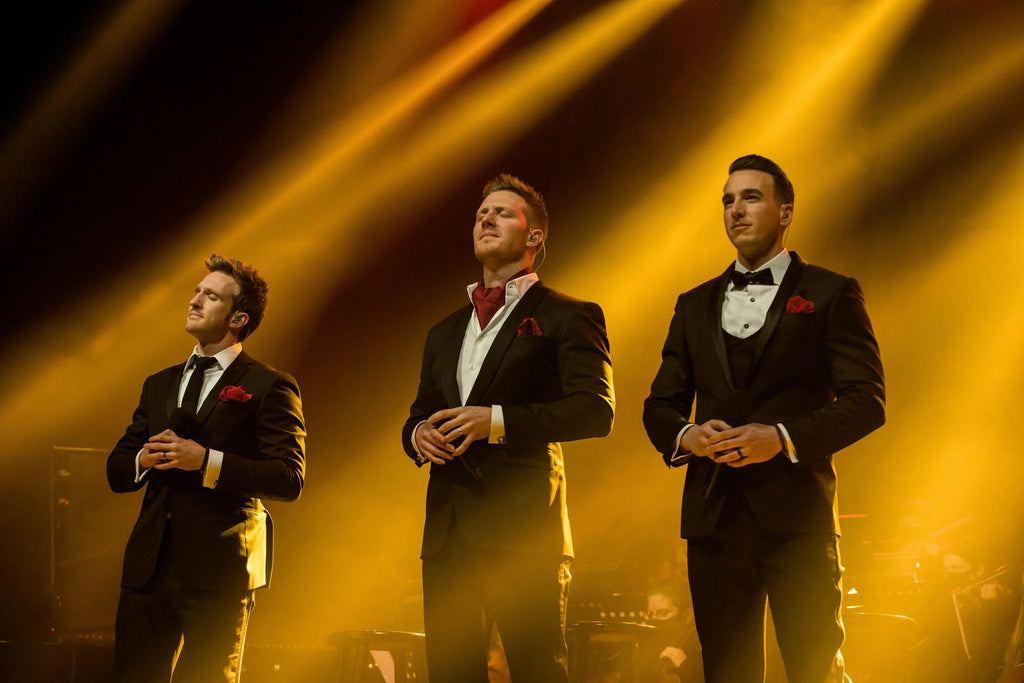 The stunning looks created for this show also translated well onto photographs. A “bonus” in this concert, notes Murphy was that his design was photographed by Leavitt Wells.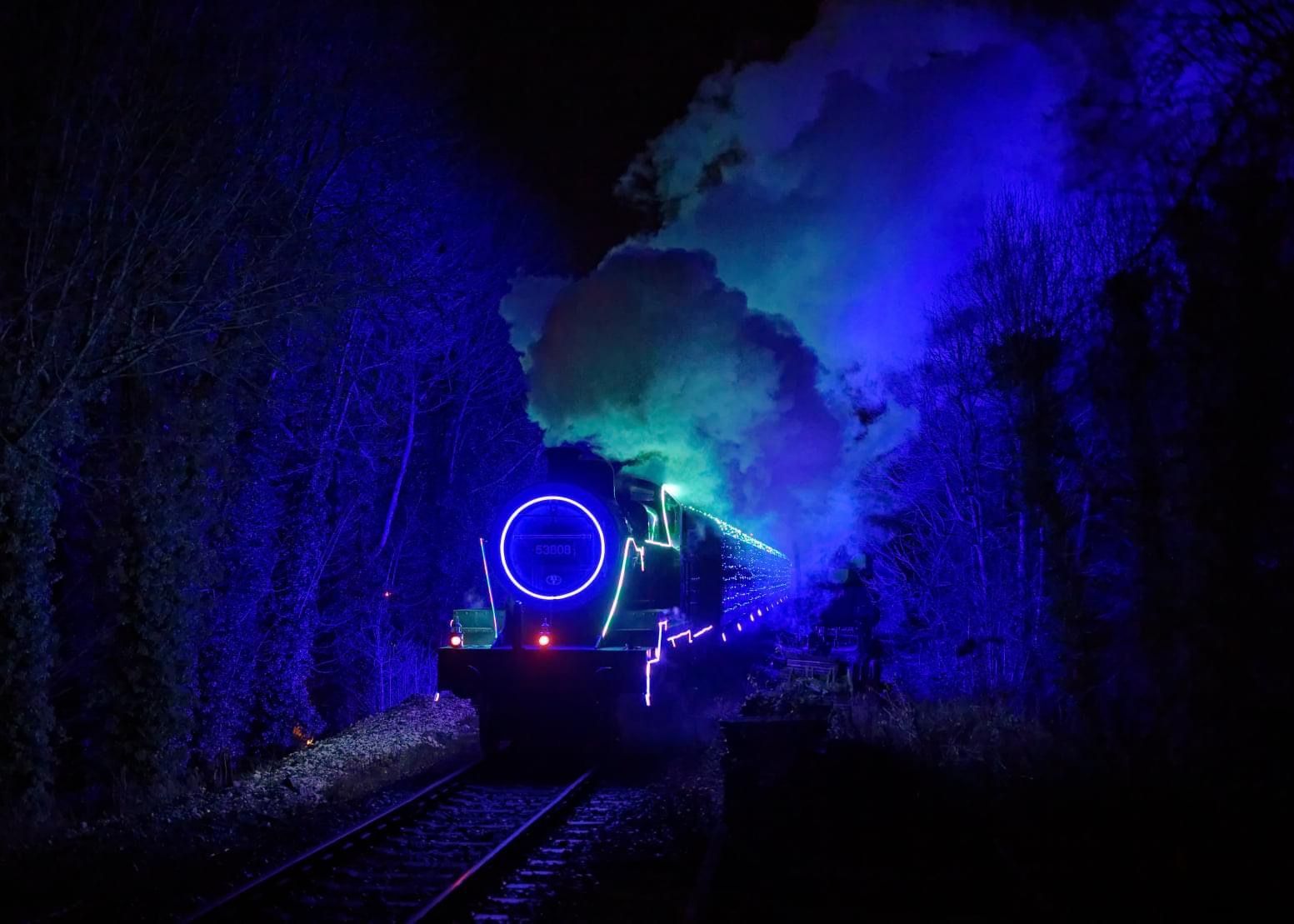
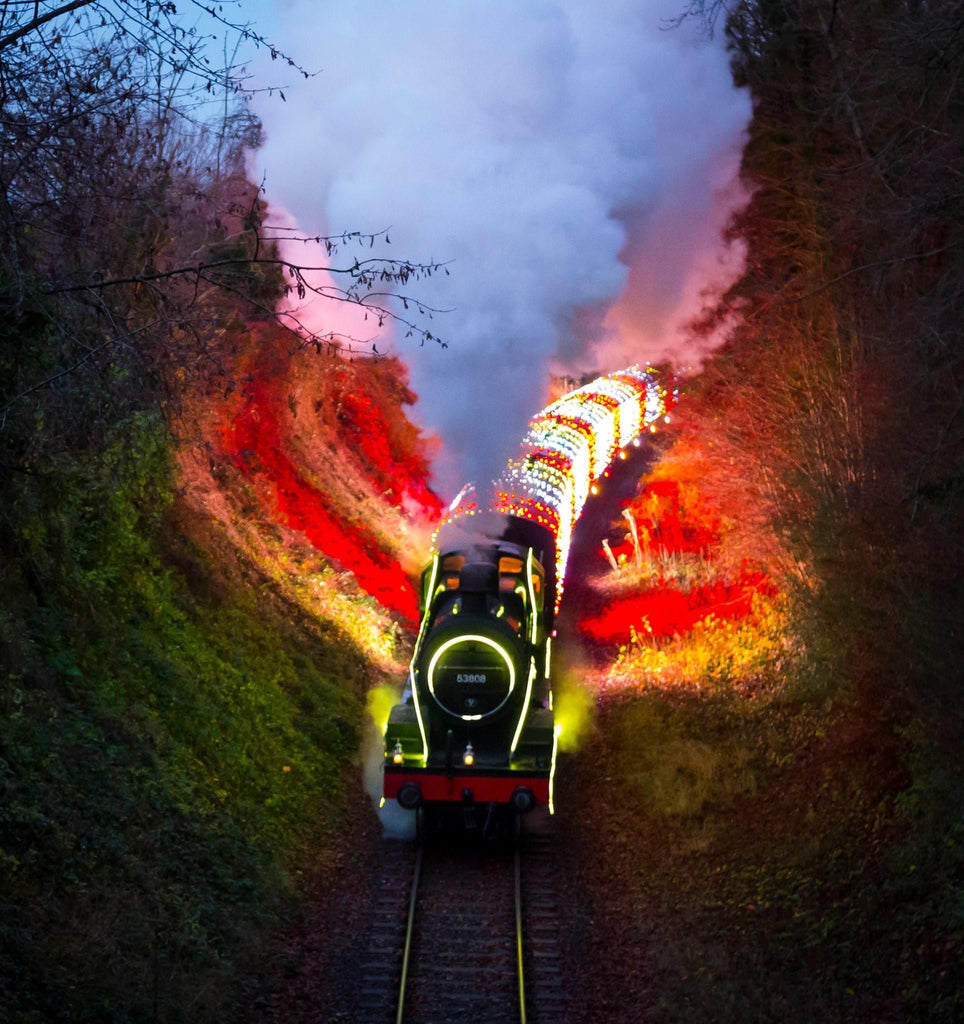
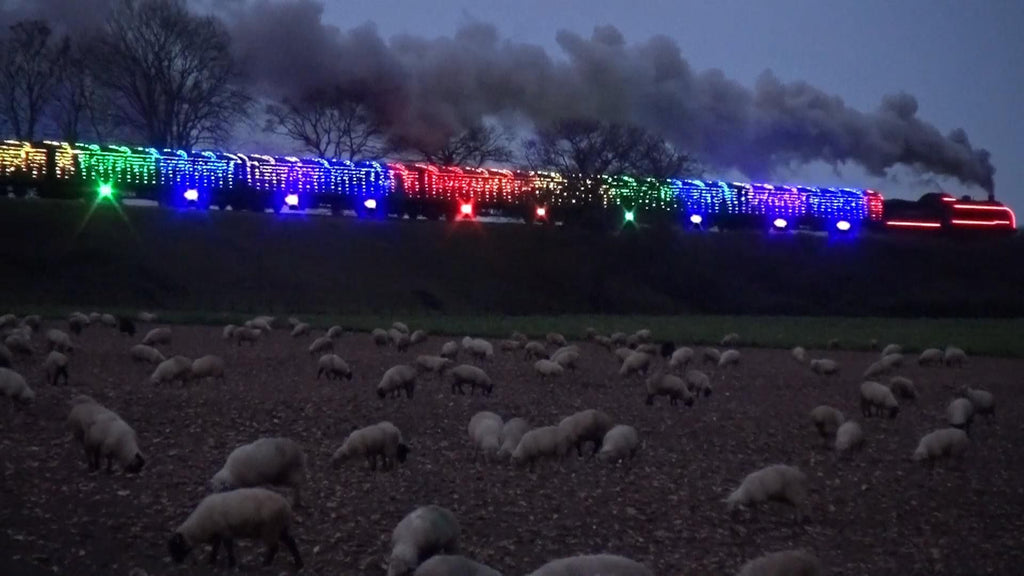 Given the size and scope of this lightshow, the channel capacity of the MQ500M was another important benefit for Horn. “At 78 Universes and with limited space on the train for control gear, my console was a life saver, because it handled everything with no need for any racks of external processing.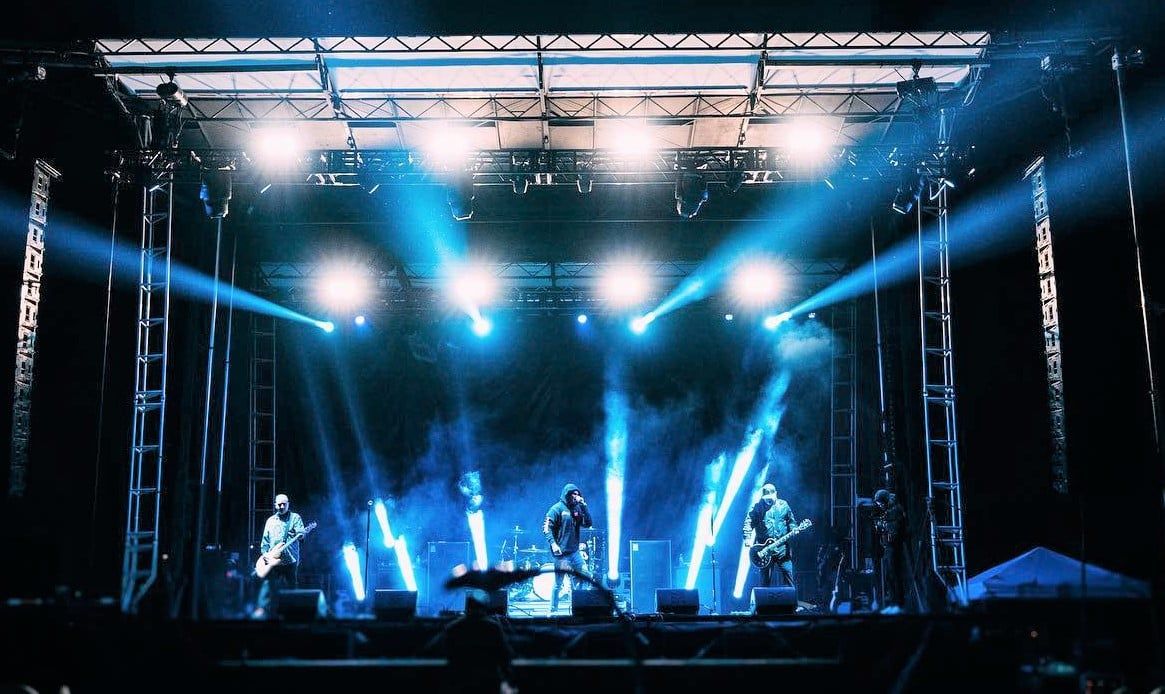
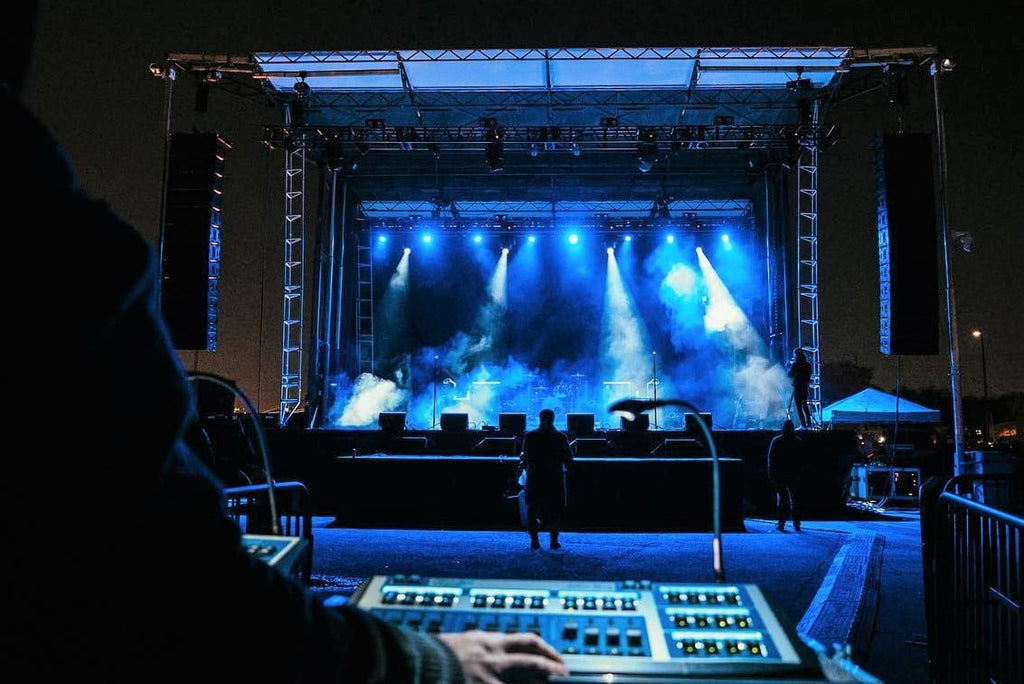 Scott’s plan may have seemed simple, but there was a complicating factor: he was given only 48-hours-notice that he would be LD for the show. To make matters even more problematic, he also had to light two other bands on the second night of the holiday show, along with providing supplemental lighting at the start and conclusion of the movies that were shown each night.
 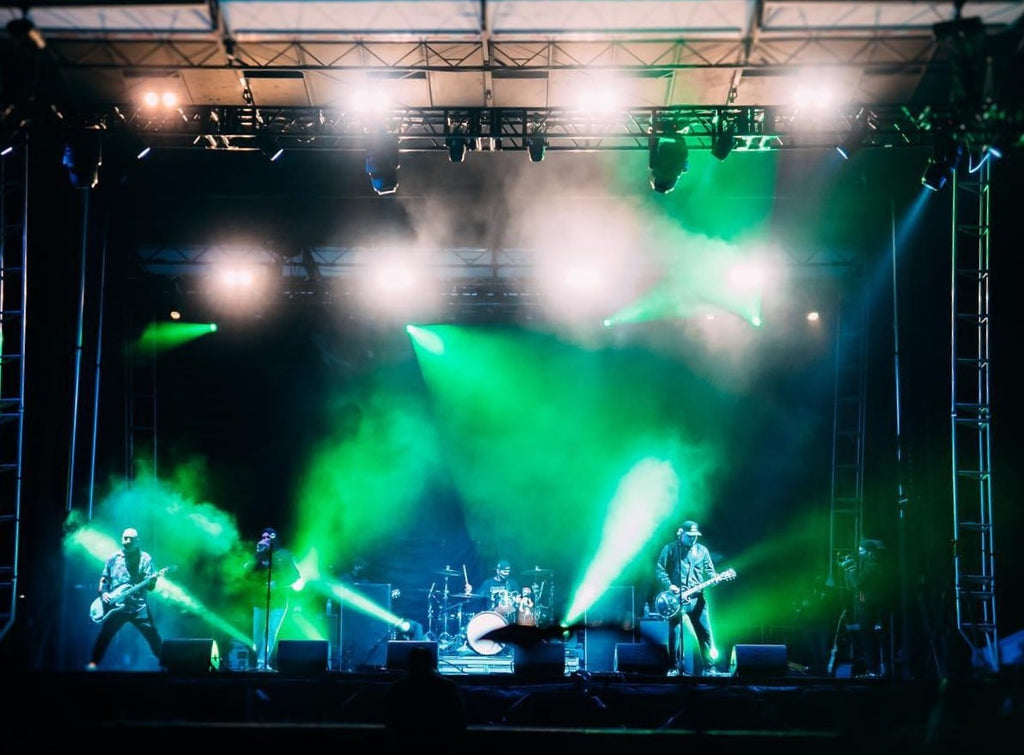 “Being able to take my desk on the stage deck to do my DS focus without having to ask a tech to assist with moving it made my days a lot easier,” said Scott. “I never fail to be amazed at how something so compact can be so easy to work with in real time at a show. Things like the eight Encoder Wheels put so much at your fingertips.”