Keith “Shanksy” Shanks Completes Game Of Thrones Run With ChamSys
BELFAST– The Harland and Wolf Shipyard on Queen’s Island has seen its share of history. It was from this marshy outpost on the western end of Belfast Lough at the mouth of the River Lagan that the ill-fated Titanic was built. Almost a century later, long since it had stopped building ships, the vast complex was again thrust into the limelight as the main studio for the multi-Emmy winning HBO series Game of Thrones.
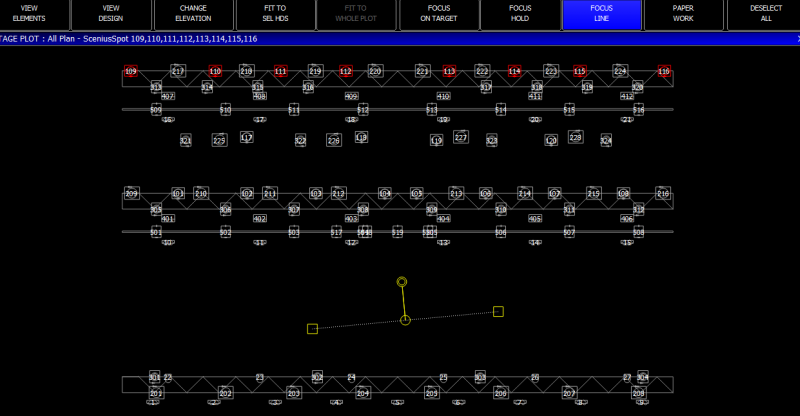
A visit to the shipyard-turned-studio with a gaffer friend in early 2011 plunged Keith “Shanksy” Shanks into the fantastical world of Westeros and Essos as the lighting programmer for Game of Thrones throughout its entire eight-season run. With him all the way, on every one of the 73 episodes (plus the pilot), has been a series of ChamSys consoles.
“I met the producers through my gaffer friend and was given the opportunity to work on the pilot,” said Shanks, owner of Key Console Systems in Belfast. “We never looked back, as I’ve been programming the show ever since that day, right up to the final episode.”
Ironically, Shanks had never used a ChamSys desk before working on the Game of Thrones pilot. “I was primarily a rock touring LD up until then,” he recalled. “However, I felt the console I was using would not be up to the task of this project.”
After carefully evaluating his options, Shanks selected a MagicQ MQ200 with a Playback Wing for the pilot show. He soon added a second MQ200 to his setup, followed by an MQ500 Stadium. By the time Game of Thrones reached its eighth season, he had four MagicQ MQ500 Stadiums and two MQ200s with Playback Wings at his disposal.
The increasing number of consoles reflected the growing complexity of the Game of Thrones set lighting, which went from 14 universes to 19, as it moved from extremely high levels of illumination to more subtle and natural ones. More consoles were also needed to accommodate the variety of different sets used in the series.
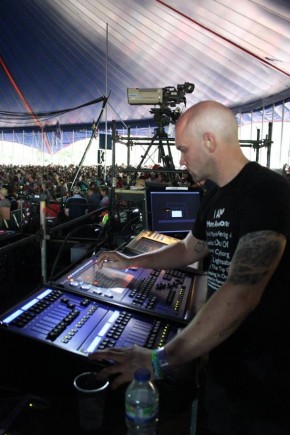
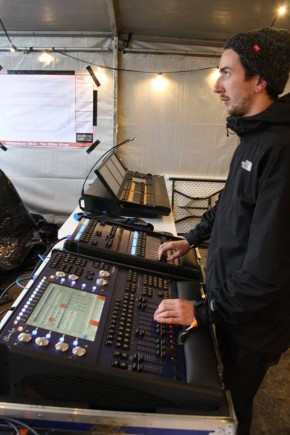
During the last season, Shanks positioned the consoles at different locations throughout the Harland and Wolf facility (now the largest film studio in Europe). “We had six consoles here, one of which was in a van for when we shot at remote locations,” he said. “Our production schedule was so sharp that we had to have everything ready to go at every set, as well as the van, at a moment’s notice. Every console has a full system built into it, so we could move from one to the other with no hiccups.
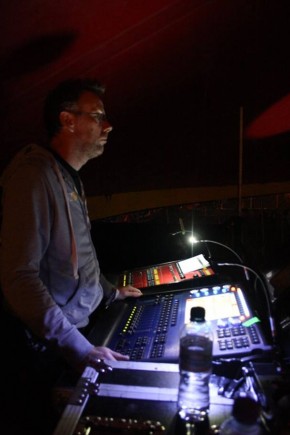
“Speed was of the essence in this project,” continued Shanks. “There were a great many plans for Game of Thrones, and we had to move very quickly from one to the other. The multi-screen feature of the console was invaluable. Having everything at eye level let me get to anything I wanted very quickly. I’ve seen a lot of consoles that have way too many buttons to push to do the same thing that you can do far more quickly with ChamSys.”
The cloning and morphing features of his consoles also helped Shanks set up pages quickly. Also adding to the efficiency of the process was the easy interface with WYSIWYG. “We did a lot of pre viz using WYSIWYG, especially the 3D version,” he said. “The interface between the ChamSys and WYSIWYG was flawless. It was virtually plug and play. The internal drivers that ChamSys developed for this purpose were spot on.”
Another valuable feature for Shanks was the broad color palette available on his ChamSys consoles. “During the course of this series we continuously got new heads, and the people at ChamSys were great at keeping the CT colors current,” he said. “The regions that the MQ500 has for color picker applications was quite impressive.”
In a show as multi-faceted as Game of Thrones, last minute edits and adjustments are inevitable. On these occasions, Shanks appreciated the cue stacking features of his ChamSys consoles, which made it quick and easy to edit cues and individual timing. He also relied on his desks’ WiFi capabilities for last minute changes. “The interface was very smooth,” he said. “When a designer wanted to alter something, it could be done very quickly. Again, time was always of the essence in this project.”
On the subject of time, Shanks was amazed at how quickly it flew in his eight seasons with Game of Thrones. “It was a great experience,” he said. “I enjoyed the series, but it was the camaraderie of the crew that I will miss most. There was a sense of family as we all pulled together working on a project that we knew would be remembered for a very long time to come.”
As for the future, Shanks has a new film project on the horizon. “It looks like it will be coming through,” he said. “When it does, of course I will be taking my ChamSys with me.”

Photo #1 Credit: Getty Image
Photo #2 Credit: Helen Sloan
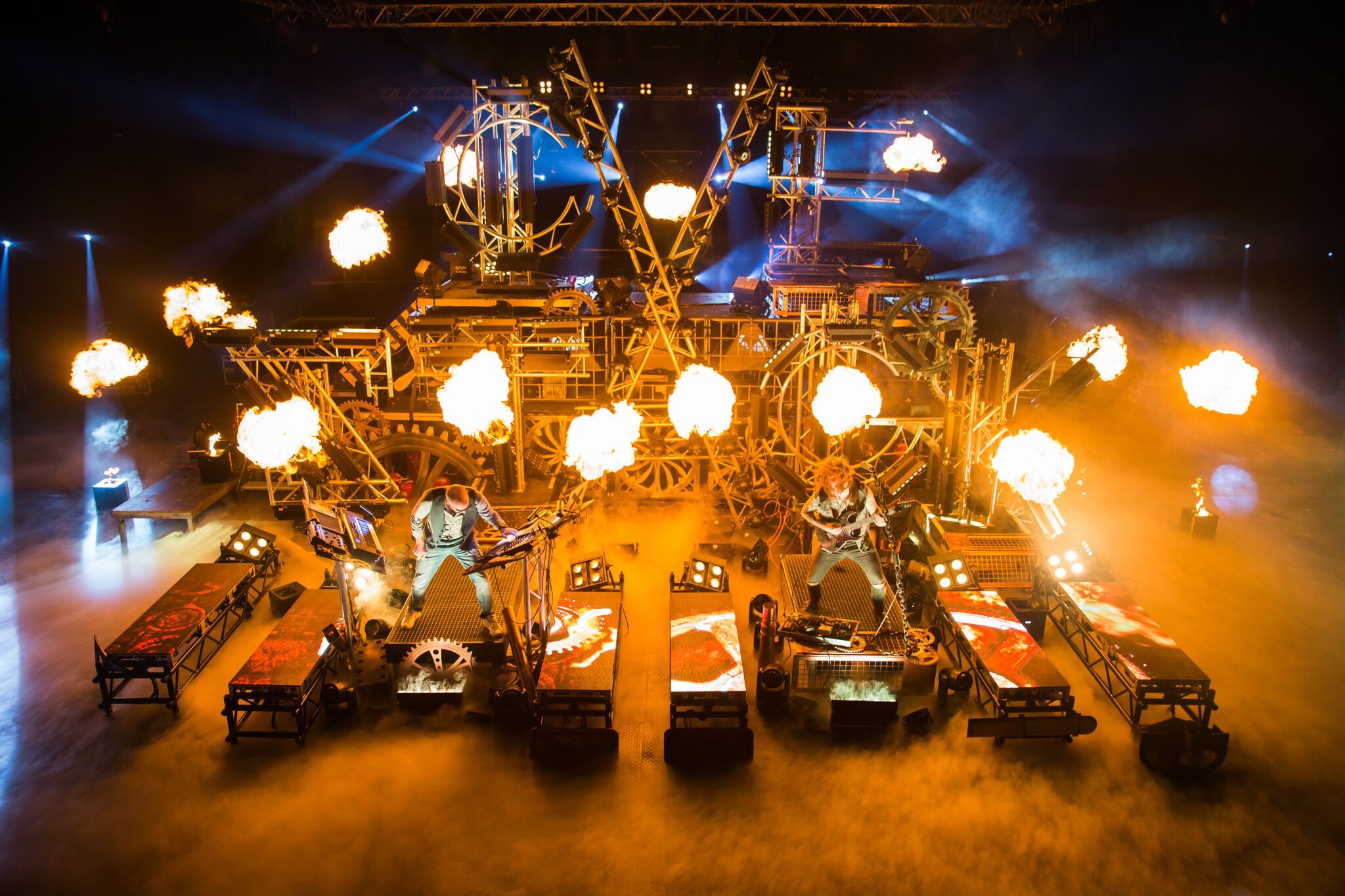
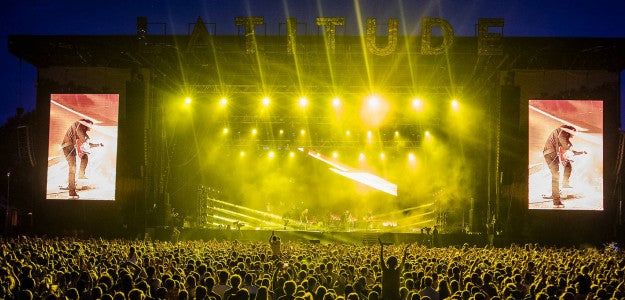
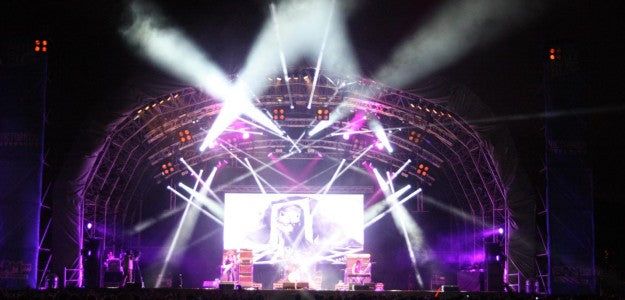
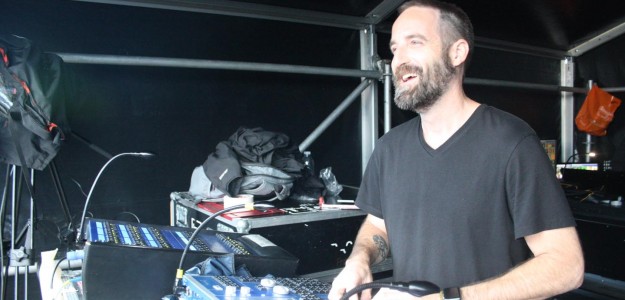
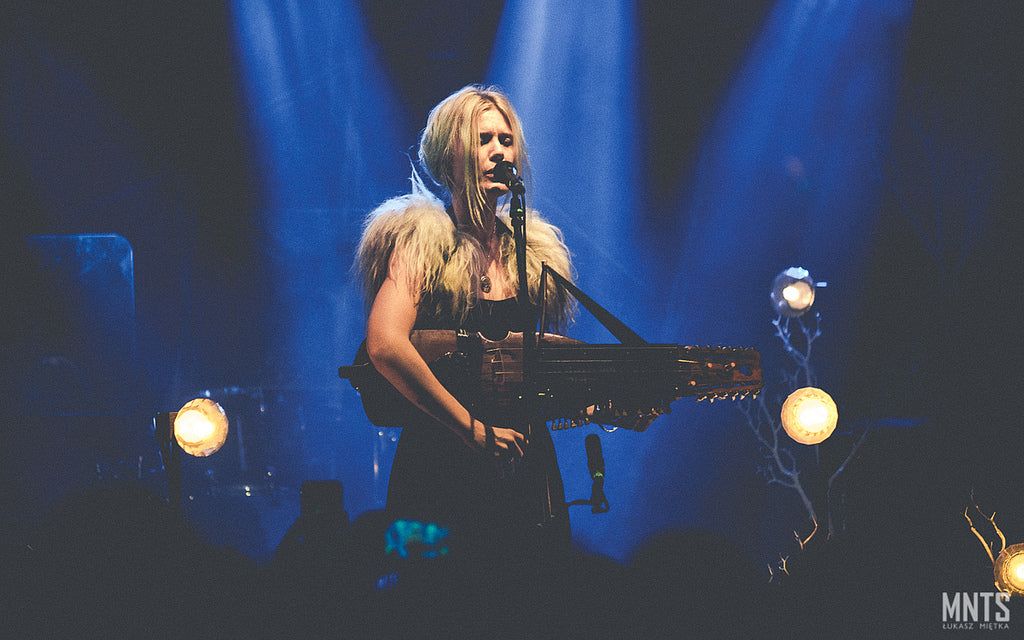
 For Horn, the music of Maribou State is a fertile incubator for his design vison. “I am all about creating drama and movement in the air by not actually wobbling fixtures, but by creating pulse and chase effects in different arrangements and in different orders across the rig,” he said. “Just because a fixture can move doesn’t mean it has to. I can create a sense of movement by doing something as simple as having the beams on the X Bars punch through at different times. This tour is providing me with a wonderful opportunity to demonstrate my design philosophy. The band was very keen on moody dramatic looks and was open to thick smoke and silhouetted moments. It was an LD’s dream come true to be so dynamic.”








 For
 The
 Horn
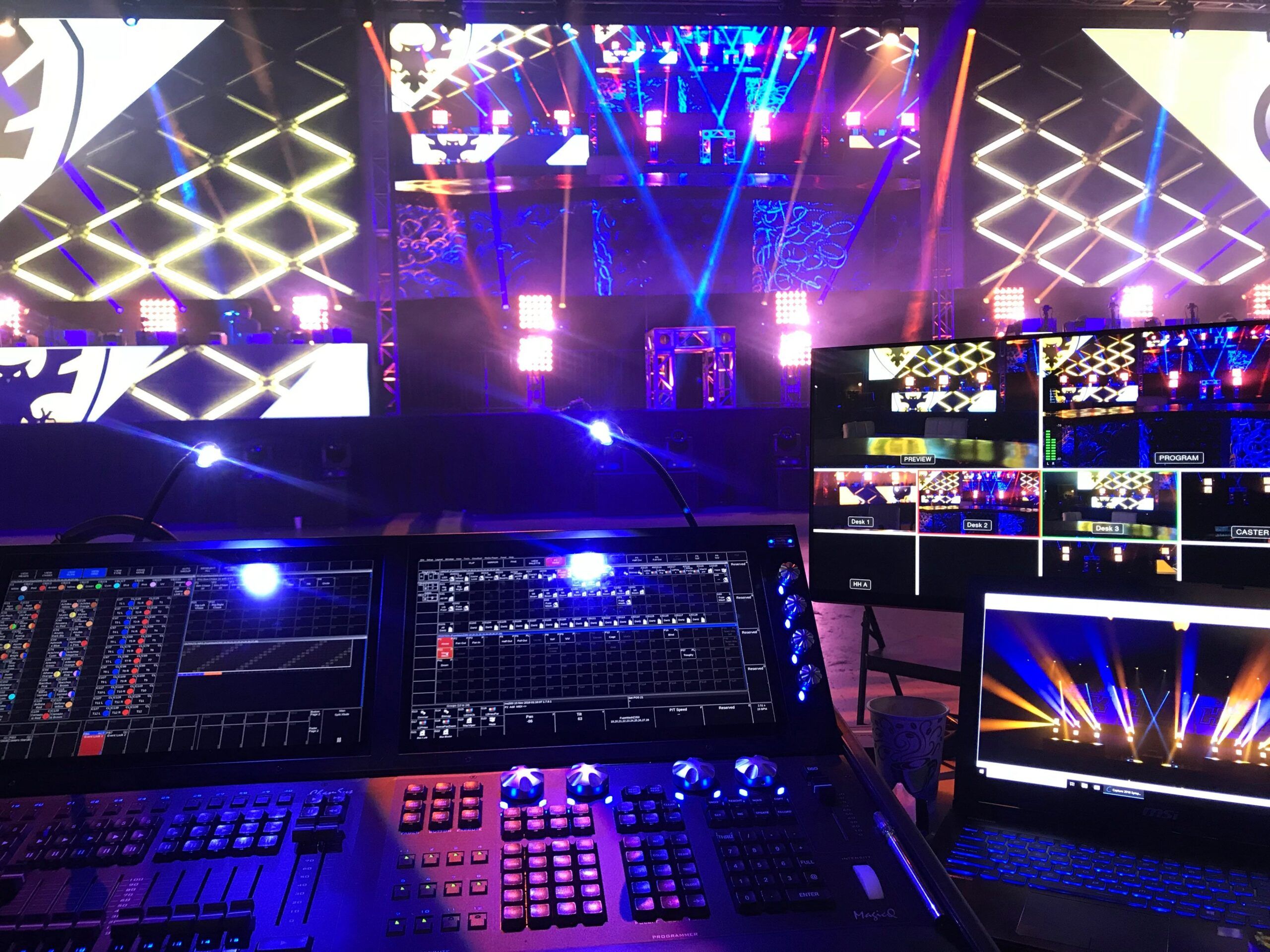
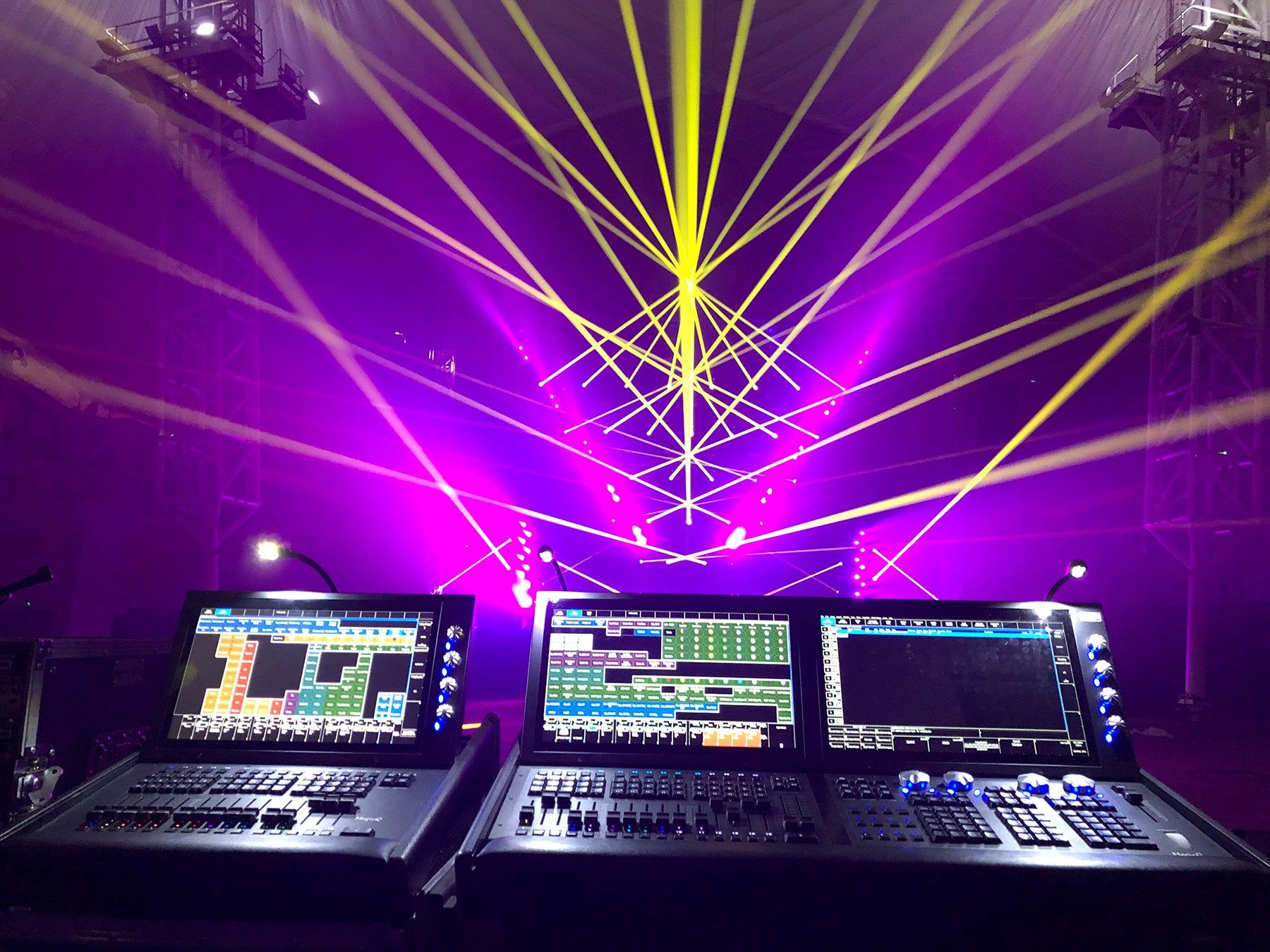
 Both stages had eight-universe shows with 79 controlled fixtures and 12 truss warmers that were set to the game’s branding colors. With the competition broadcast on Hi-Rez TV, the two designers gave prime consideration to creating looks that would translate well on camera, while still creating a friendly environment for the players and live audience.
 Keeping up with the flow of live gaming for broadcast meant that the programming process had to be done in an “organic and simplified manner,” said Scott. “We used one page of faders that held intensities, movements and FX,” he explained. “All of these playbacks were programmed with everything but color data. We then built a couple of Execute Pages, which held each team’s color palette. We also needed to be able to break up the team colors into ‘rig left, rig right or rig center,’ based on which side they played on, or if they won the match. The custom Execute Pages on the
 In addition to the Execute Pages, Scott found the MagicQ MQ500’s two large screens and the additional banks of playback buttons to be invaluable features in this project. “The extra bank of playback buttons on the top left of the 500 were used for effects that had to be triggered, but would then release automatically,” he said. “Dustin had a great idea to use the extra playback section located in the middle of the desk for quick fixture selection. This allowed us to call up any fixture group at the touch of a button.”
 Throughout the competition, Scott and Derry had mobile pre-vis rigs setup in their hotel rooms near the Georgia World Congress Center where the event took place. Scott had a ChamSys Maxi Wing in his room and Derry a PC Wing in his. “We did offsite programming and tweaks throughout the week, so everything always looked right for the competition,” said Scott. Based on the feedback the two designers received about their design, they certainly succeeded in doing that.
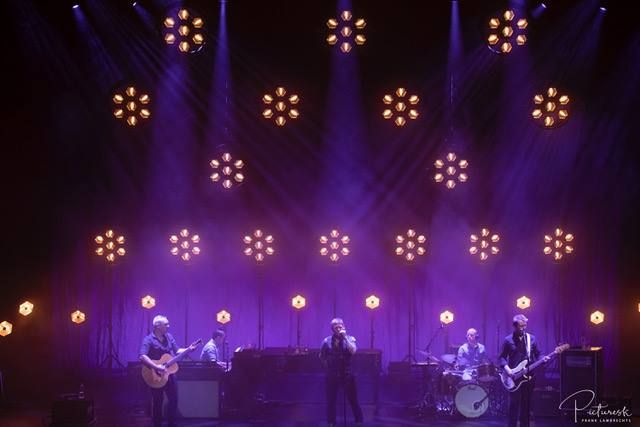


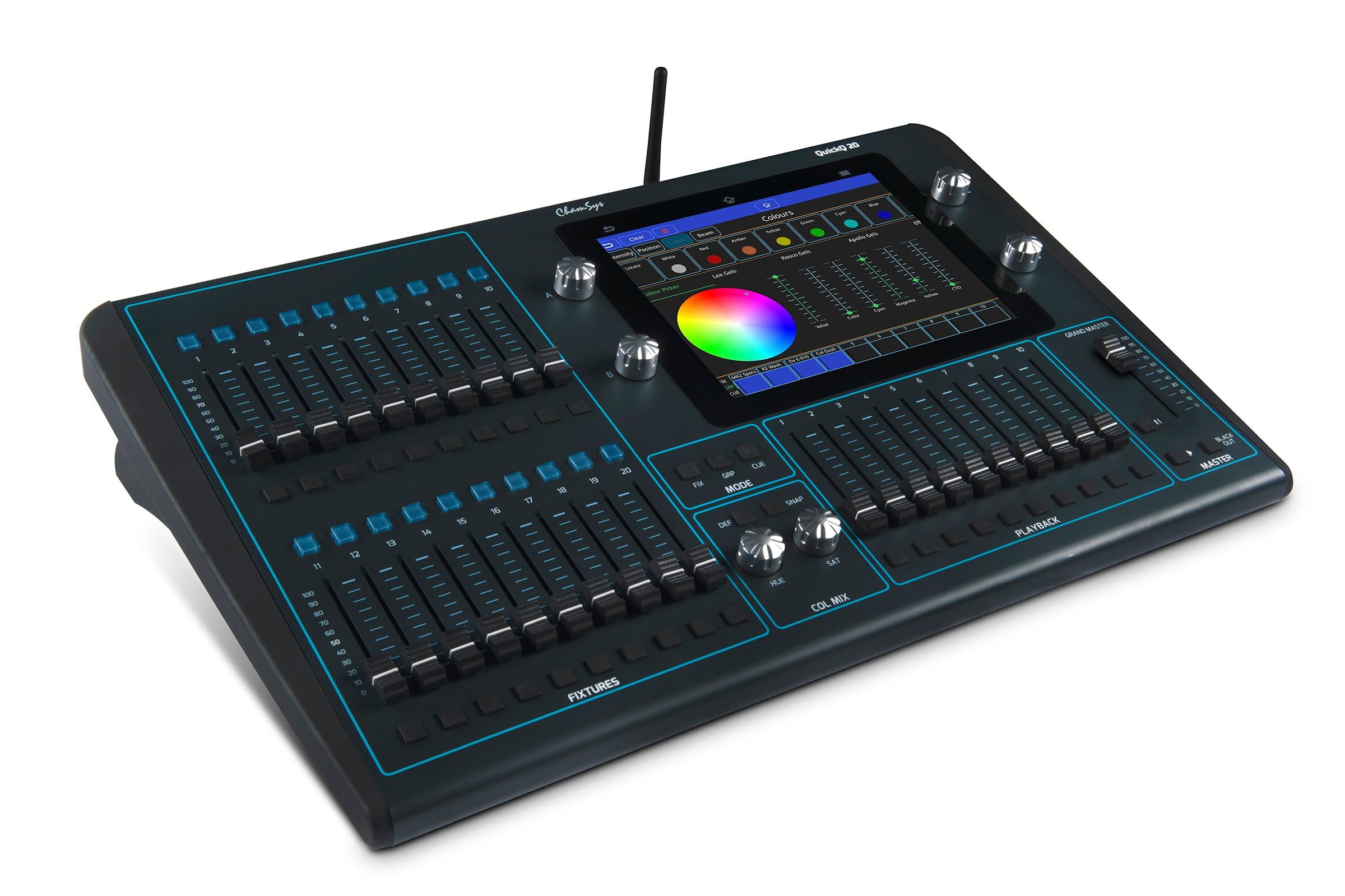
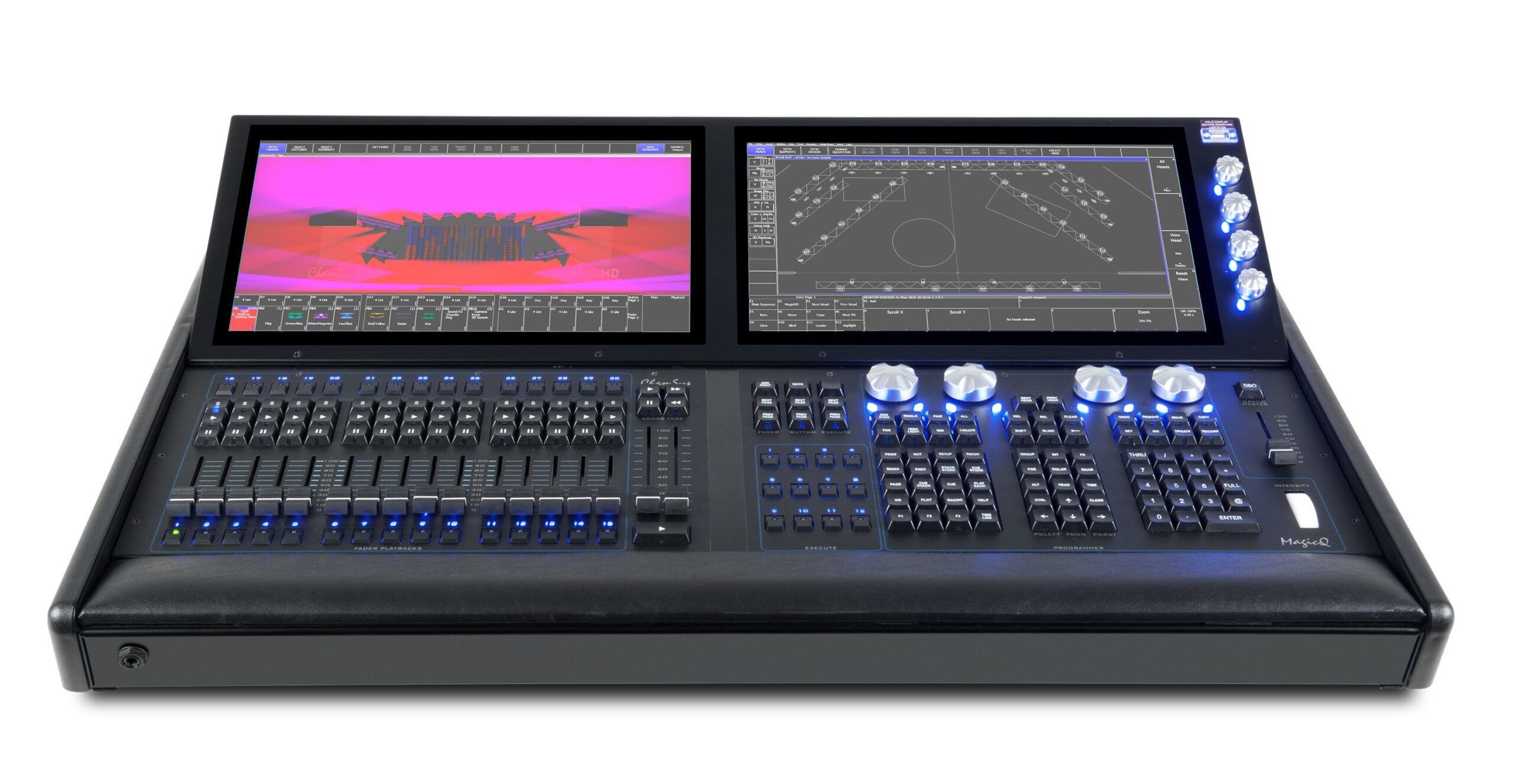
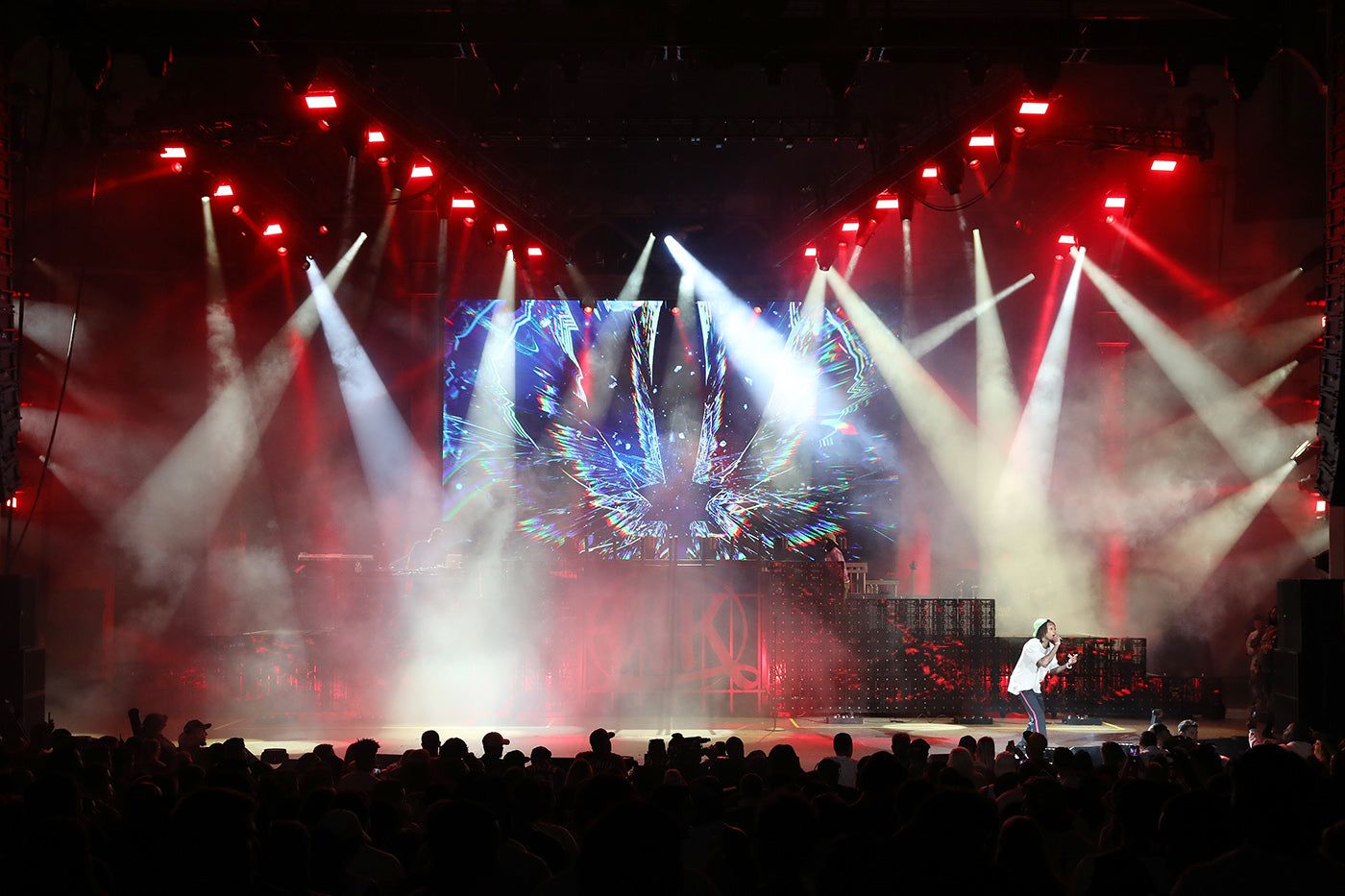
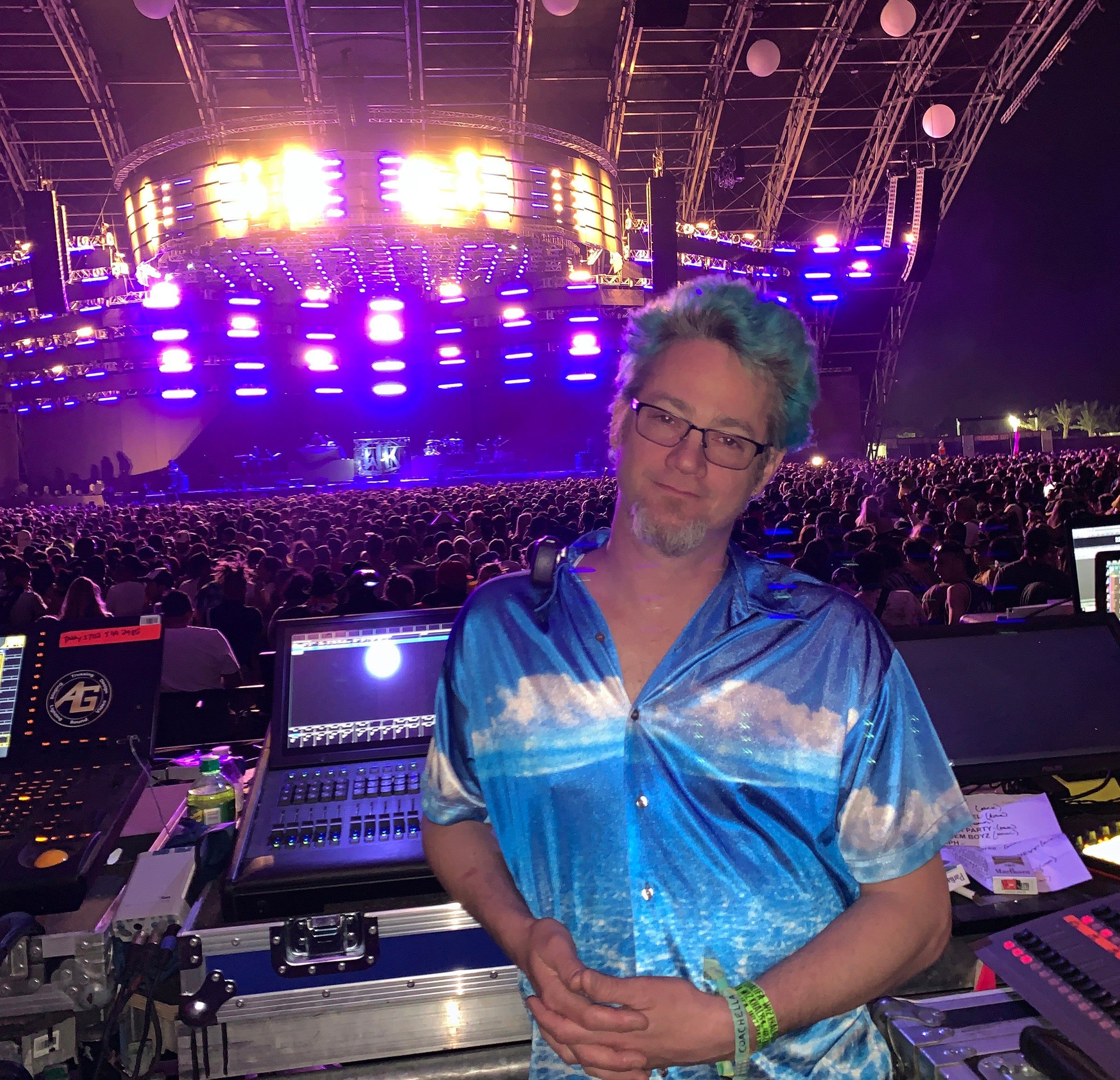
 That style, with all of its big looks, bold statements and roaring intensity was on full display this summer in Bullock’s work on the 27-city Wiz Khalifa and Rae Sremmurd
 There were multiple features on Bullock’s ChamSys console that made this process go very smoothly. “Being able to import cue lists from prior tours — button settings, titles, timings etcetera – saved us hours during the programming phase,” he said. “Direct access to palettes for programming (group 1, position 3, color 4, beam 6, enter) gave us an unprecedented level of speed. Not having to go search through touchscreens was far more efficient when it came to raw speed. Last but not least are the faders. By having extra buttons when FX get added or things change on the fly, you always have a place to record when trying to operate and edit at the same time.”