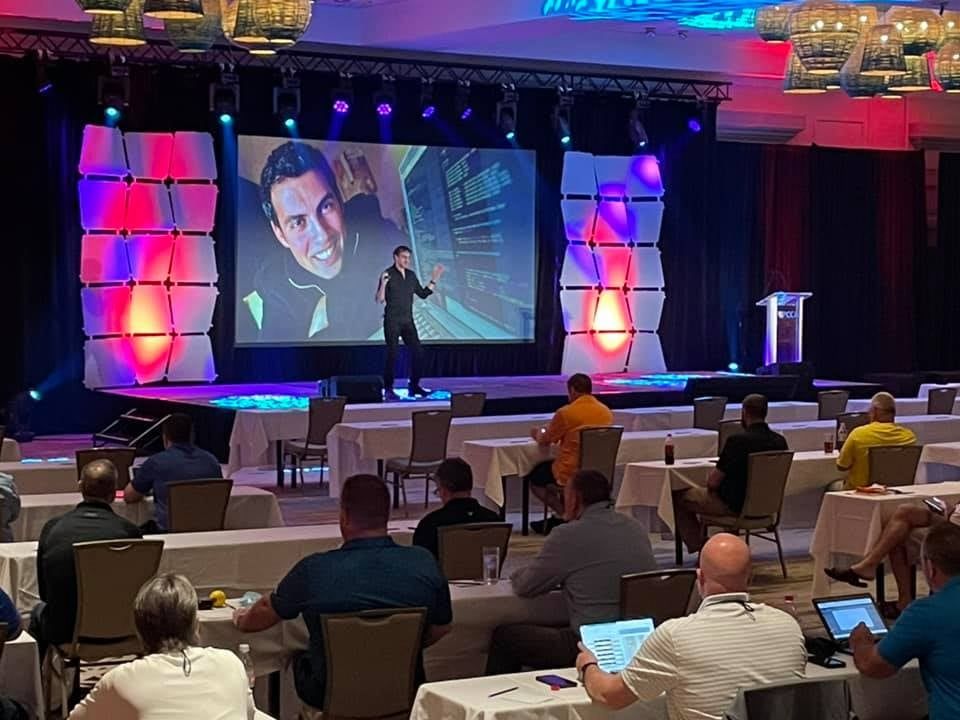
ChamSys MagicQ MQ80 Creates Smooth Path For Corey Easterbrook At PCCA Conference
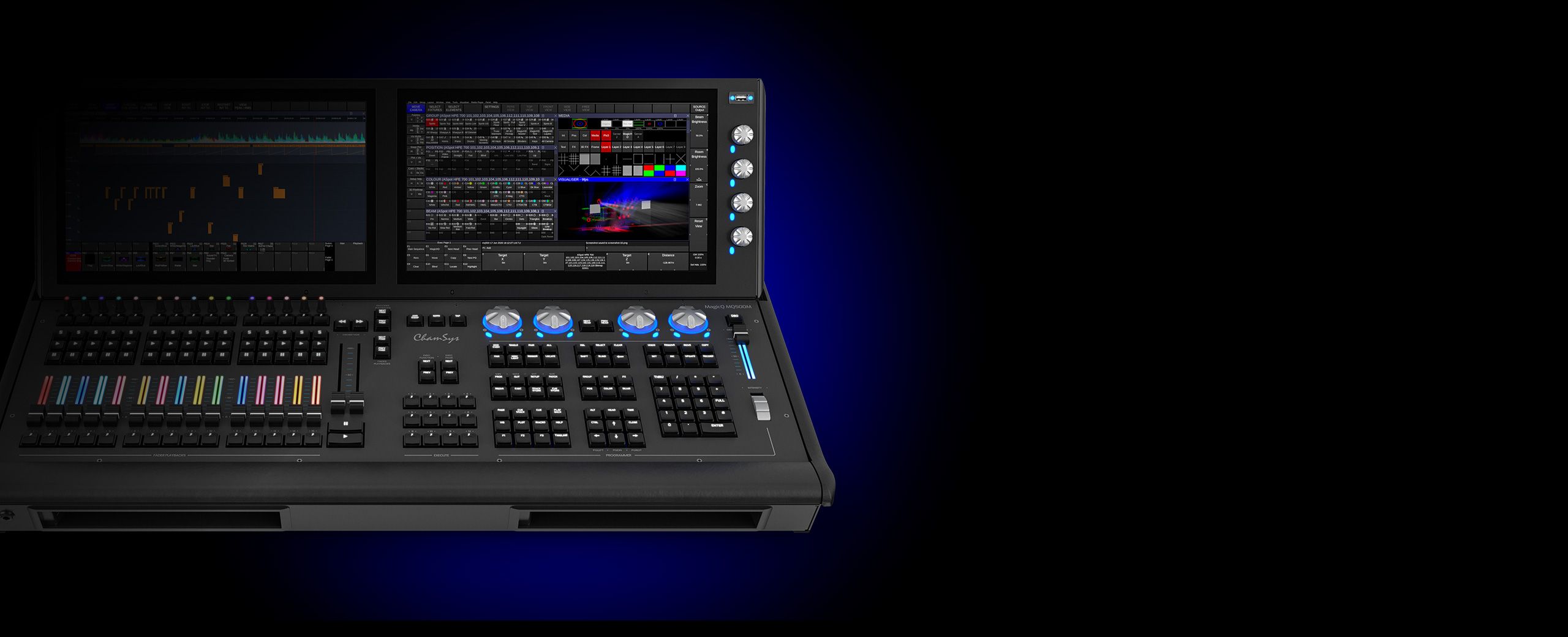
NAPLES, FL – When you begin working with a new client who’s never used an outside professional AV company before, you need three things: patience, understanding, and a fast, user-friendly console that will allow you to make smooth in-show adjustments.
Corey Easterbrook of Hot House Music and Productions seems to have been born with the first two attributes. He credits his ChamSys MagicQ MQ80 with providing the third ingredient when he returned to live events recently, providing AV services to the Power & Communication Contractors Association (PCCA) annual meeting.
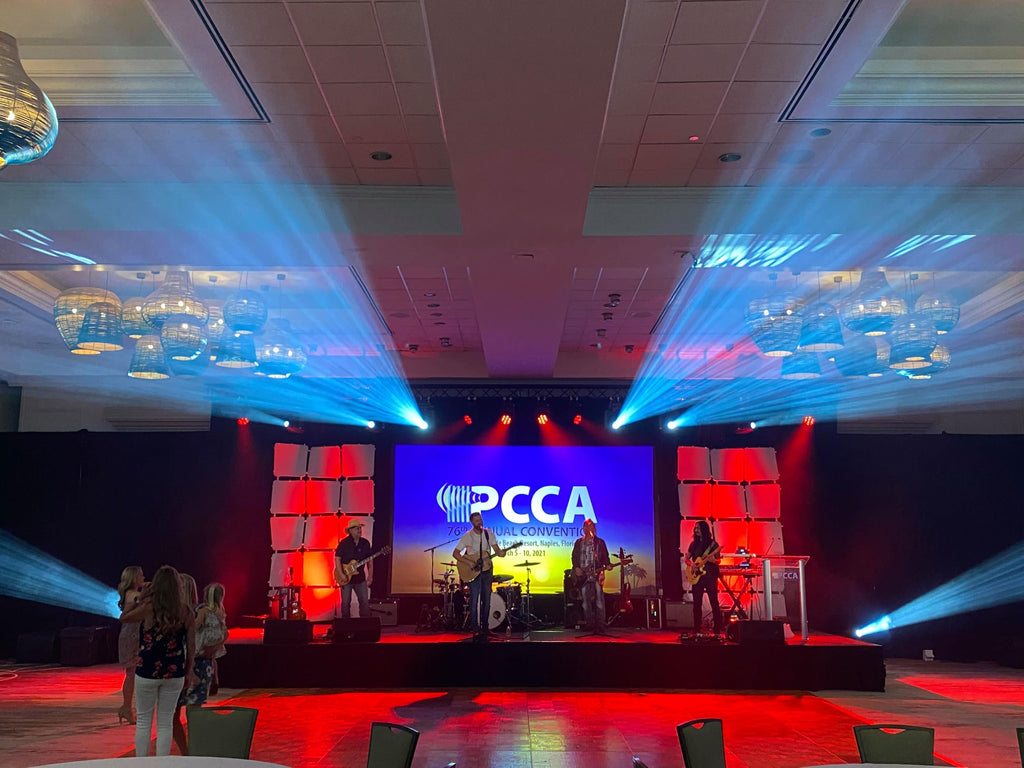
A North American trade association serving members involved in the electrical power distribution industry, PCCA had always used in-house AV services for their events. The results were mixed. So, during the lockdown, the group reevaluated its policies and decided to go with a professional. Hot House Music and Productions came highly recommended by a Fortune 500 company.
For Easterbrook, the call from PCCA was the opportunity to work on his first significant live project since the lockdown began. “The past year has been a challenge for us as it’s been for just about everyone in our industry,” he said. “But this show was different because it was the first time that I felt like we were turning a corner. Every morning when doors opened, it felt like Christmas!”
A long with this good feeling, however, came a long list of concerns, not the least of which was operating under strict safety protocols. Complicating matters, Easterbrook’s wife had recently given birth to a son, so he had to call in friend and fellow designer Eric Price as a backup for the two day event in case he was called away for an emergency.
Meanwhile, he also had to deal with the possibility of having to make adjustments on site for a client who was new, not only to Hot House, but to the entire idea of using a professional AV service. Even with all of these considerations, he says that his MagicQ MQ80 helped provide a “smooth path” for his return to live events.
“Along with my business partner Jeremy Robertson and our crew Nathan Gifford, Brandon Scopel, Russel Lewis, and Tim Walters, the MQ80 was the key to making this event work,” said Easterbrook. “I have been using ChamSys for four years now, and it’s been making my life easier the whole time, especially at this event with all that was going on. The FX engine makes it incredibly fast and simple to dial in great looks without a ton of fuss. We programmed the entire show on site, so the ability to make changes quickly and smooth reassured our client.”
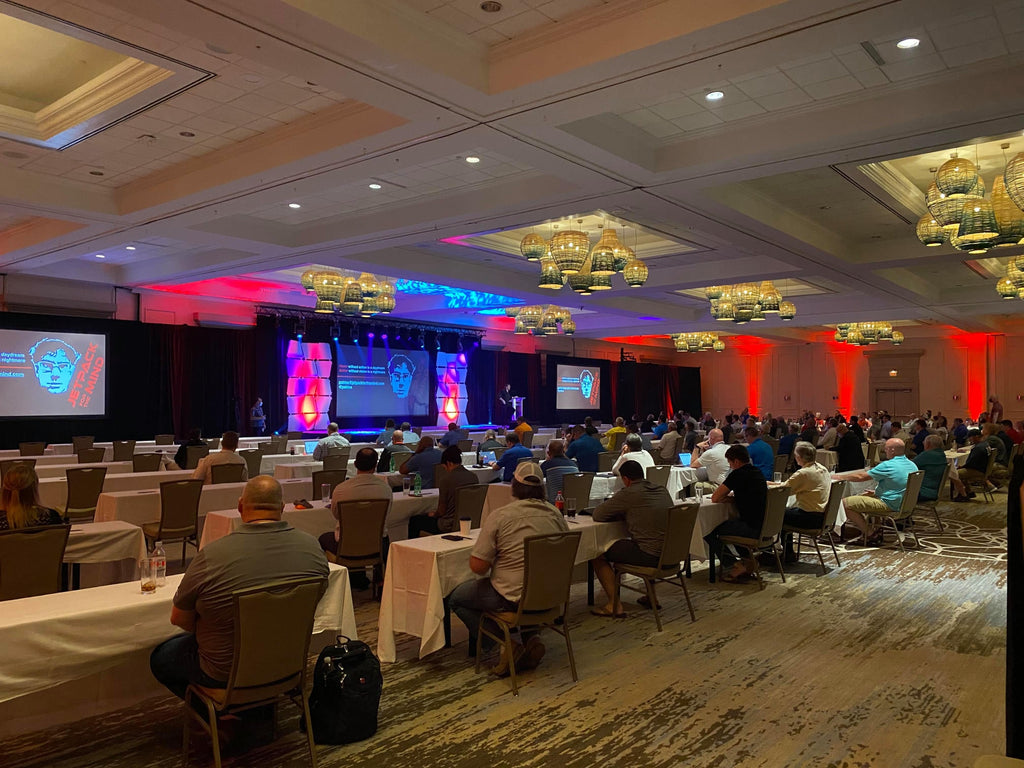
Of particular importance to Easterbrook was his console intuitive graphical interface and it’s adaptability. “I like the Plot window on the MQ80 and how it lets me focus fixtures graphically,” he said. “With ChamSys, I can layout my show file the way I want from one event to another, depending on my needs. That came in very handy in this situation. Also, the big high res display was nice, since we busked the entire conference.”
The user-friendliness of the MQ80 was driven home to Easterbrook when he gave his fellow LD Price a quick education on the console. “Eric is a longtime user of another brand of console, but he felt at home with the ChamSys very quickly,” said Easterbrook. “Eric also normally works off cues, but when I showed him the intuitive busking set-up on the MQ80, he responded ‘Let’s do it!’”
This response, along with the positive reaction of his client to the smooth changes made on the console, reassured Easterbrook. “Dealing with COVID safety protocols, coming back after a long layoff and working for a new client and having a beautiful new son Griffyn made my plate very full,” he said. “At times like this you appreciate your ChamSys. It’s like a dependable friend.”

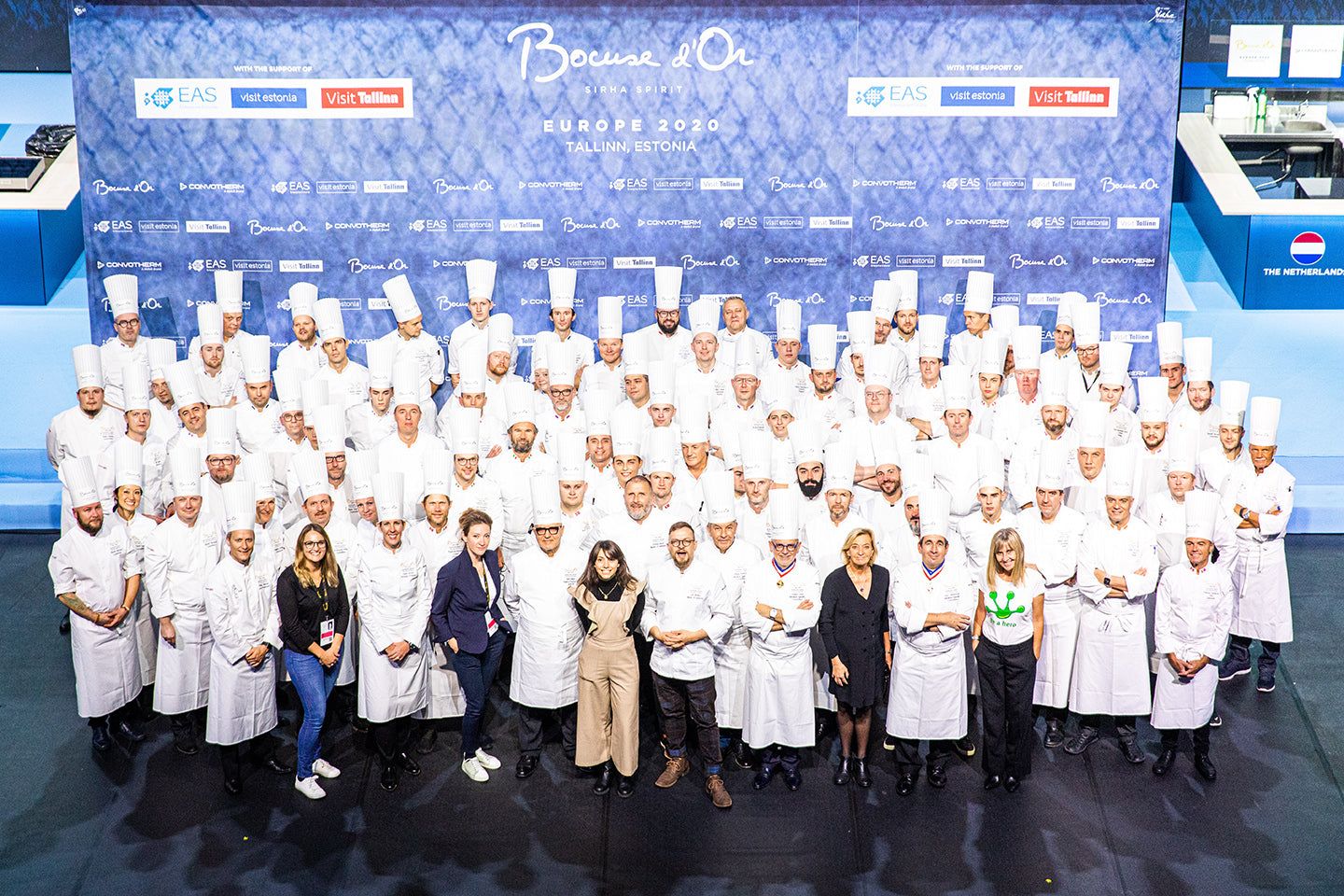
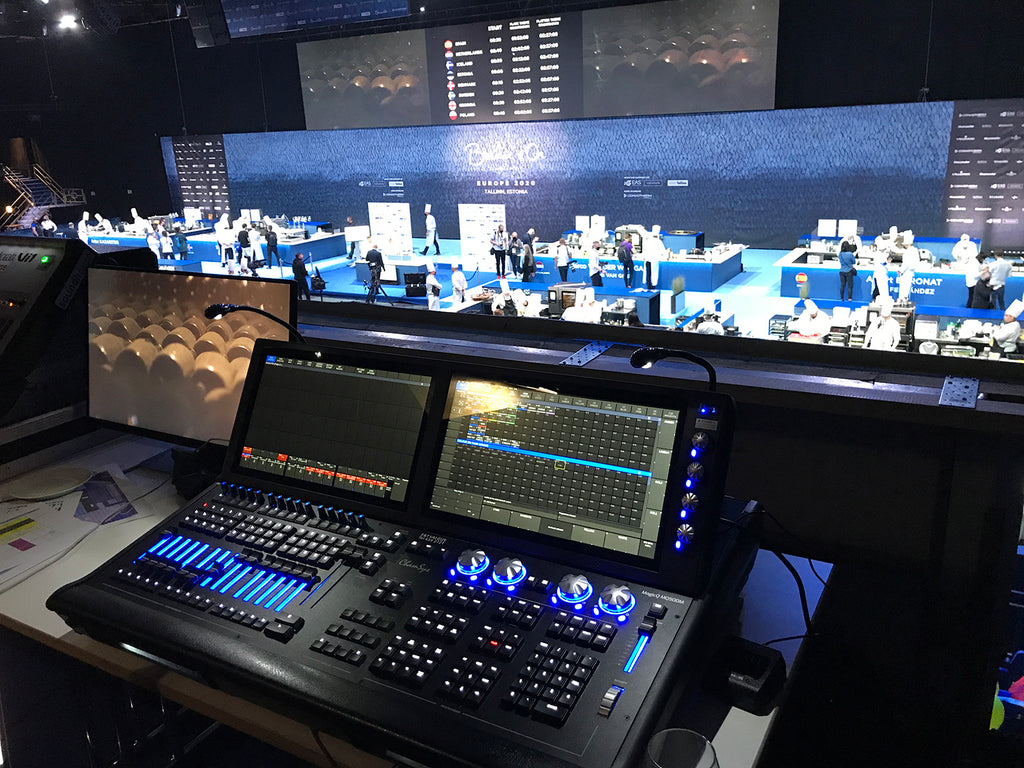 As the top chefs and their assistants met in secret that morning,
 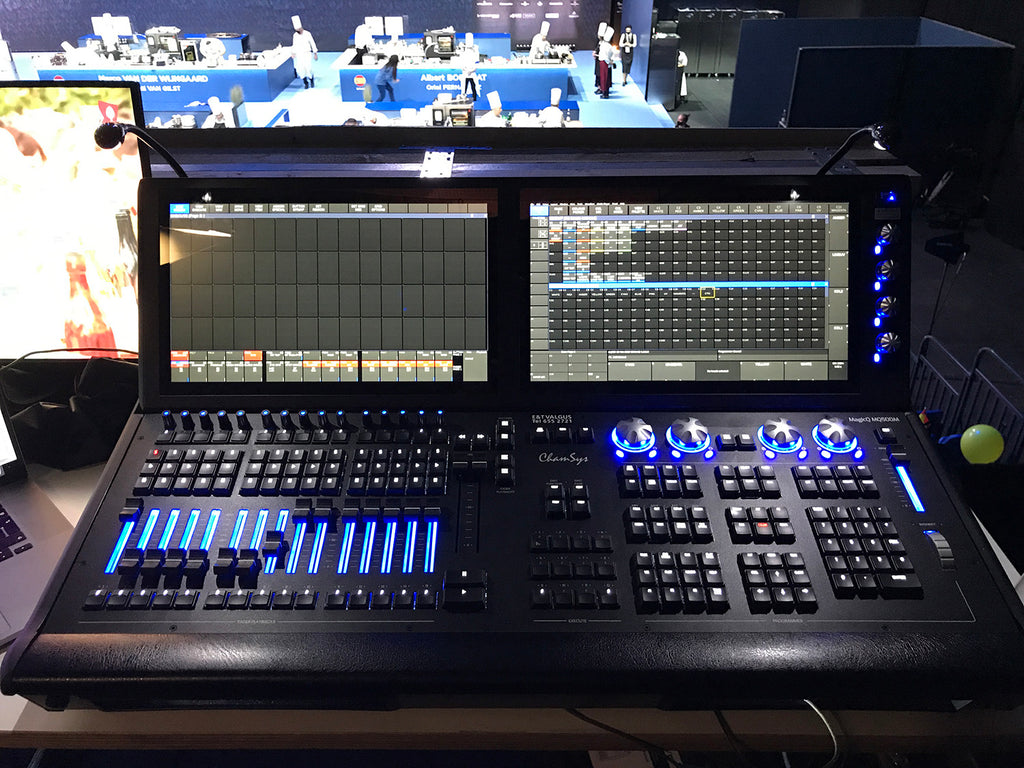 A ChamSys user for ten years, Luhaäär only recently moved up to the MQ500M. He found the transition seamless. “I had used this console a few times before, so I was familiar with it,” he said. “The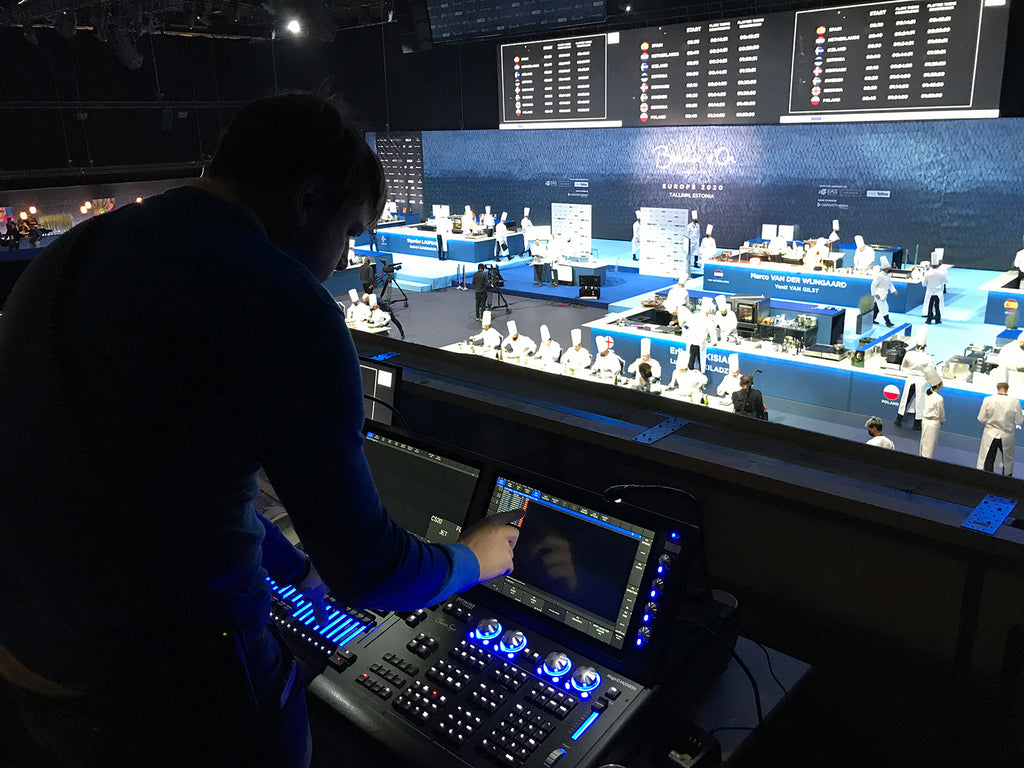
 “We programmed the cues with a
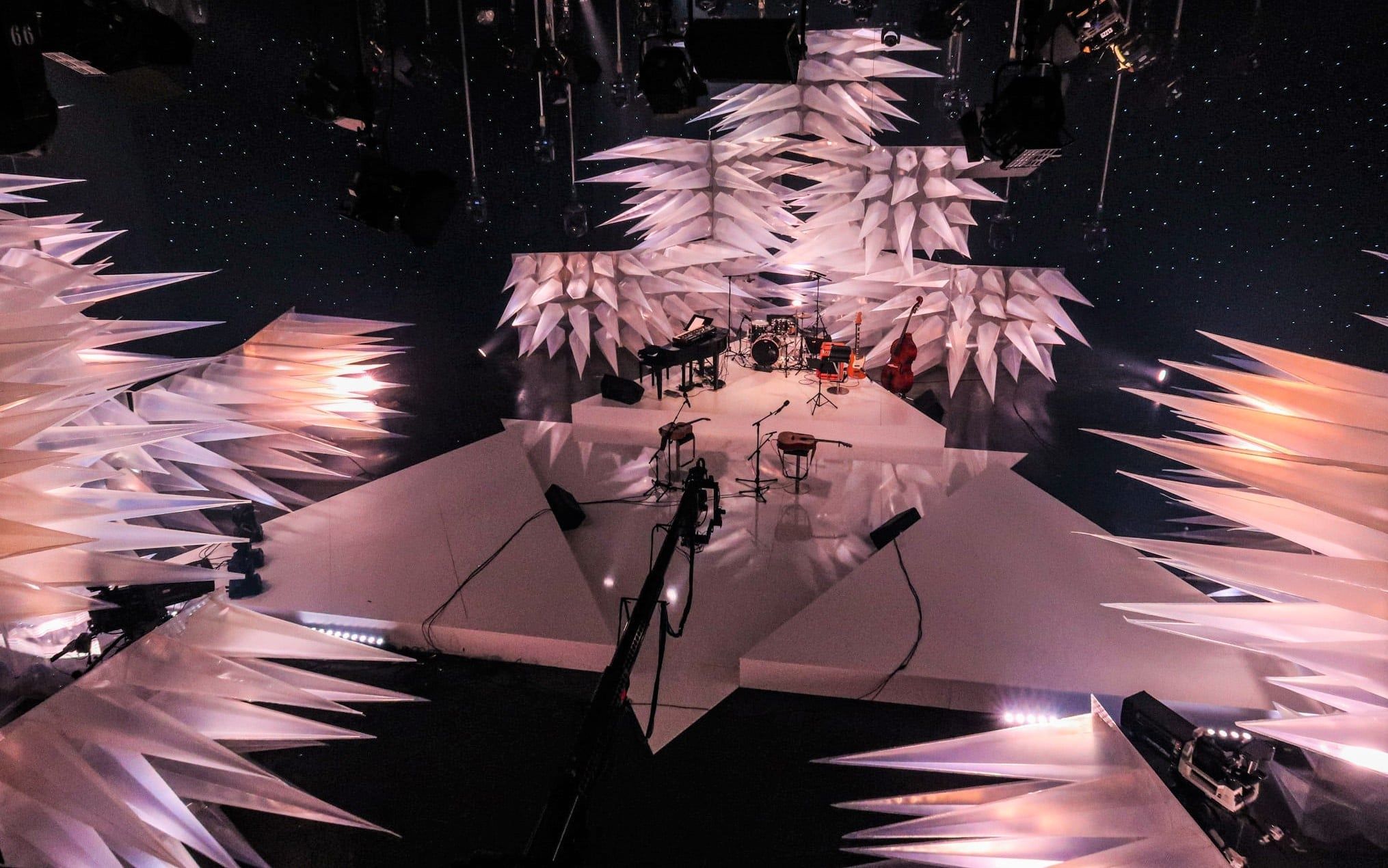
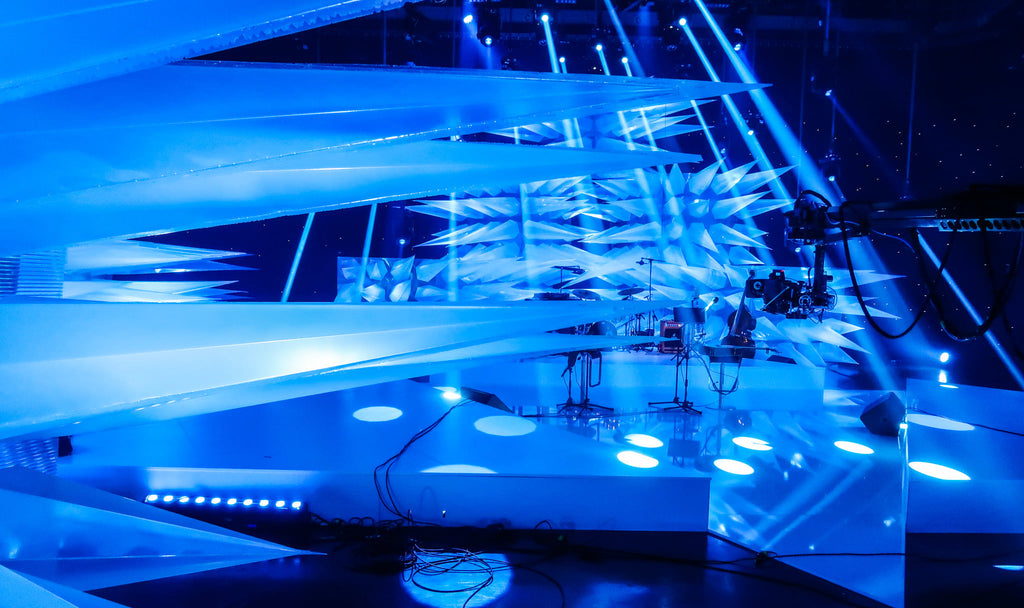
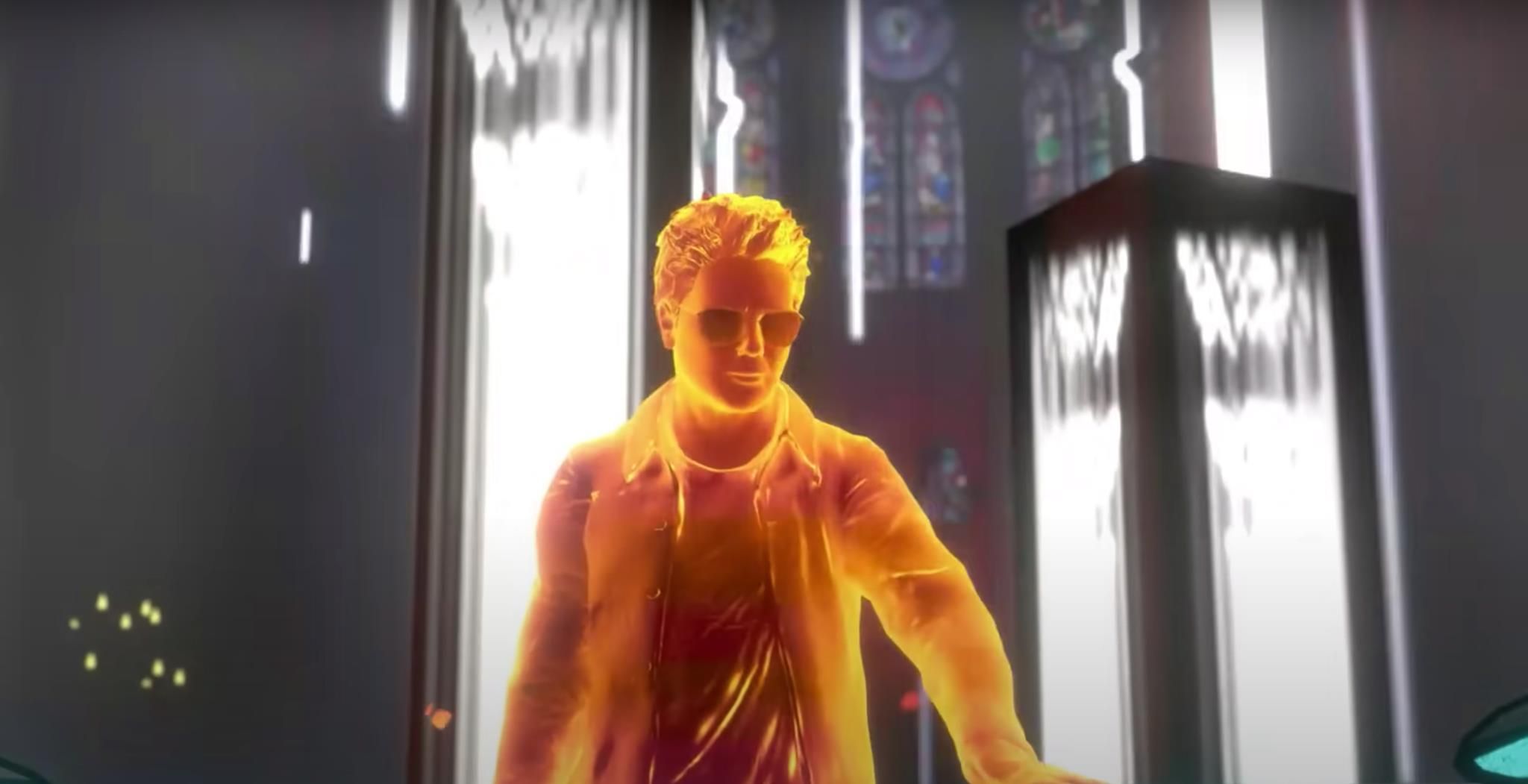
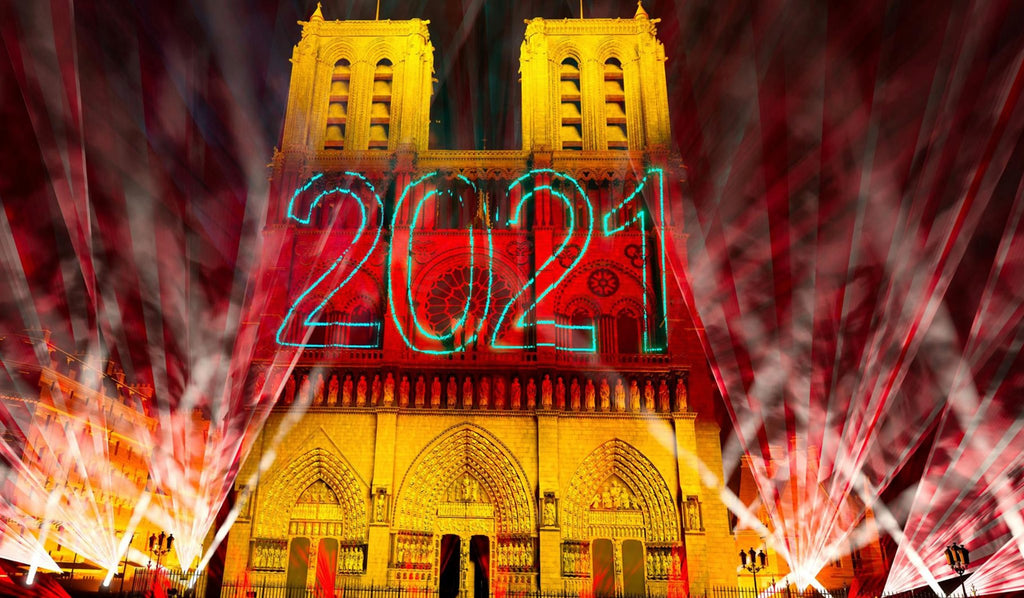
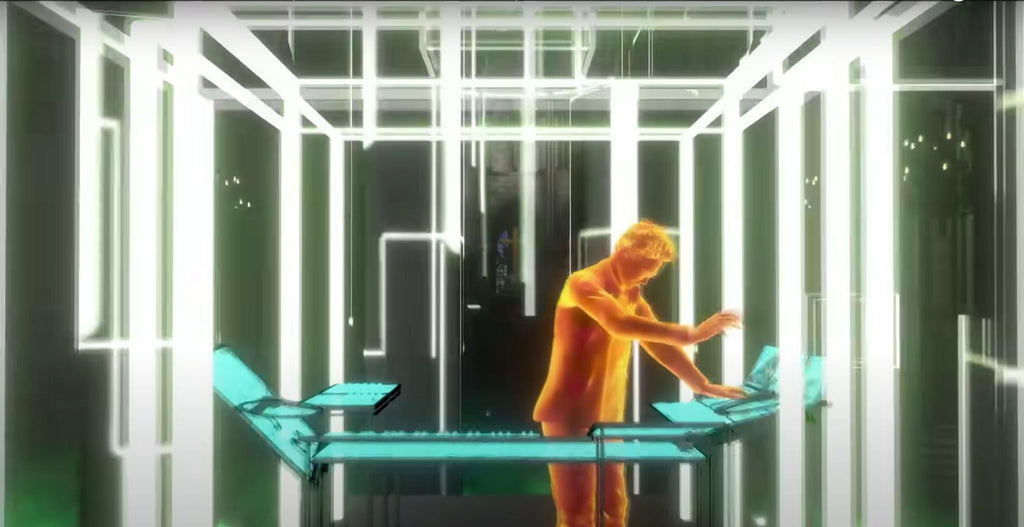
 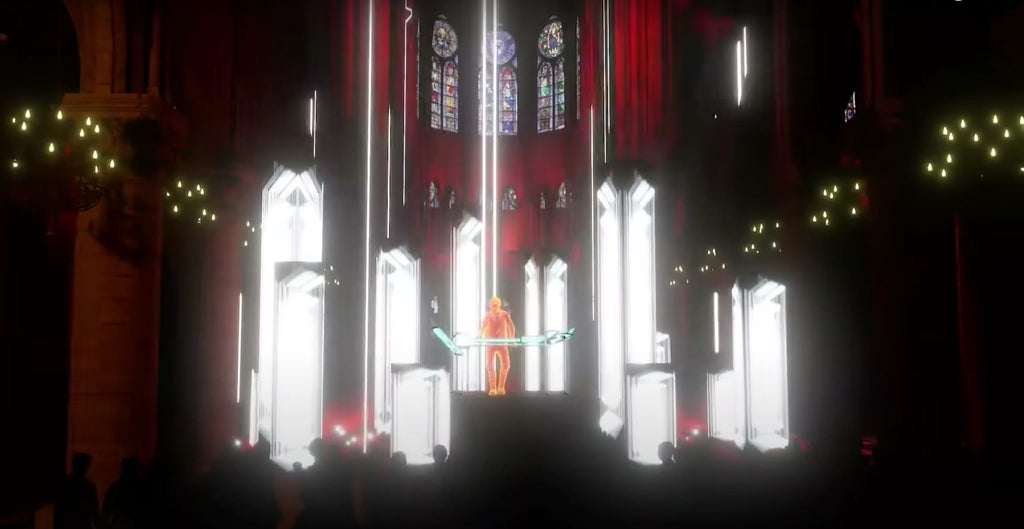 “The stage lights are actually not real light but volumetric shaders that were animated by Victor Pukhov to mimic my ChamSys programmed lighting cues,” said Morandi. “Most importantly, Vincent Masson created the 3D animations that made the show look stunning. He used our 2D content as starting point, and with a lot of passion and talent created the 3D versions of it.”
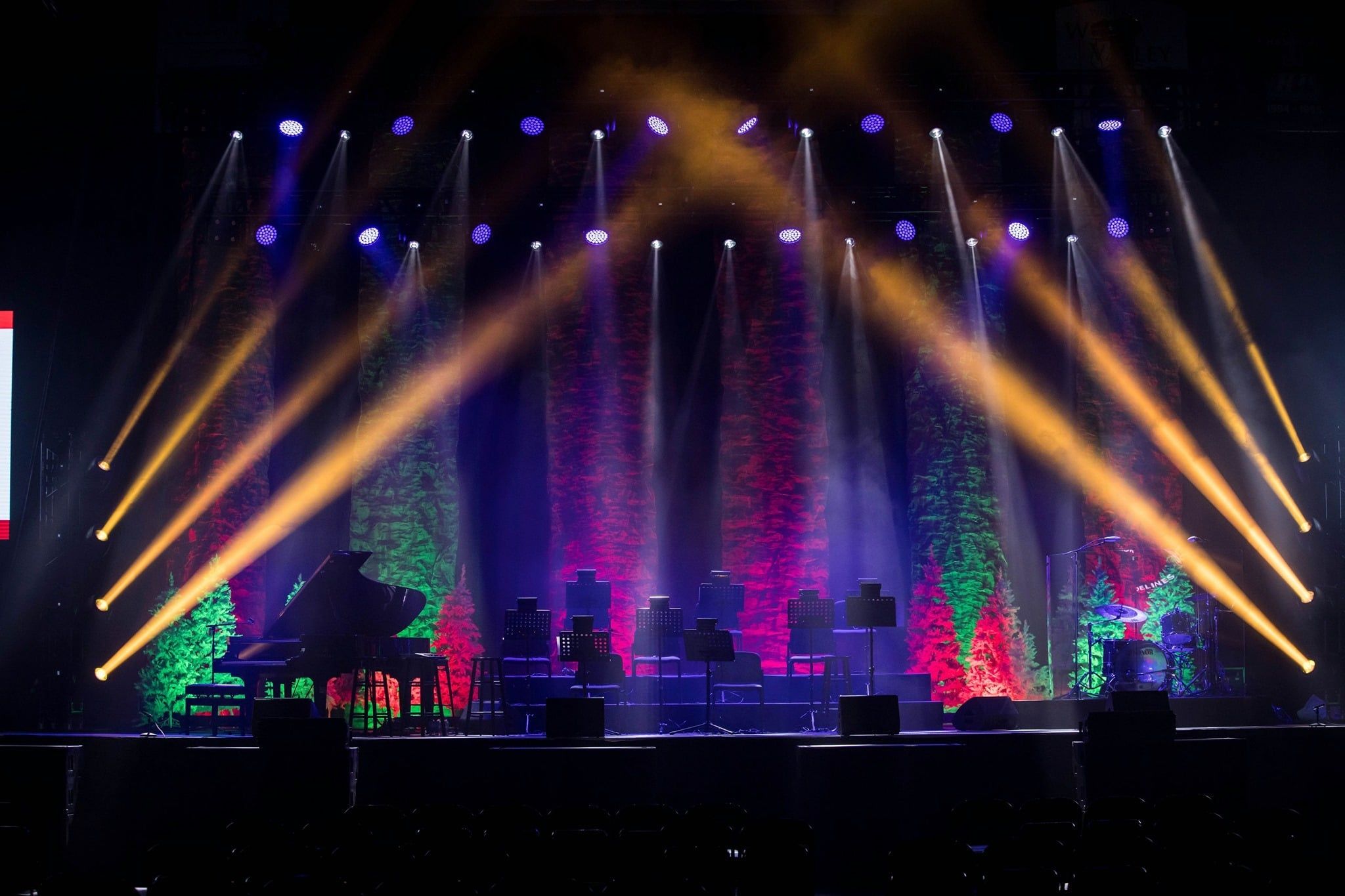
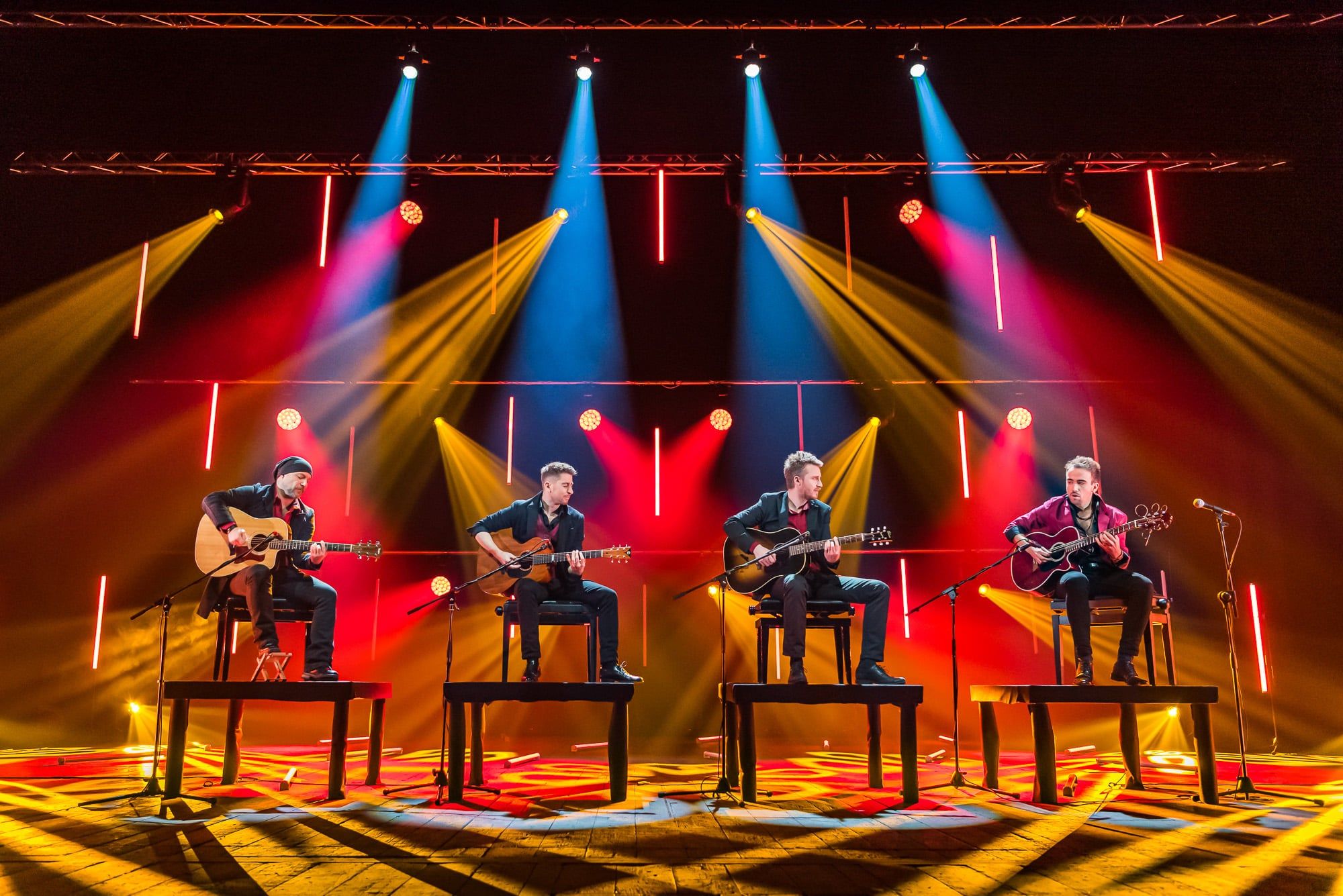
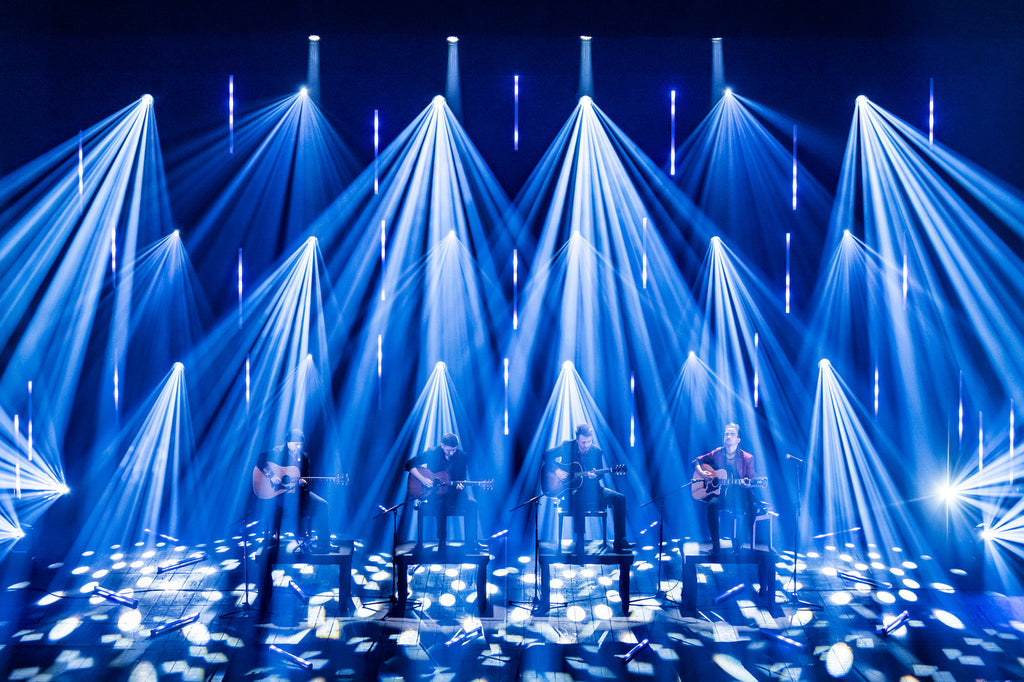
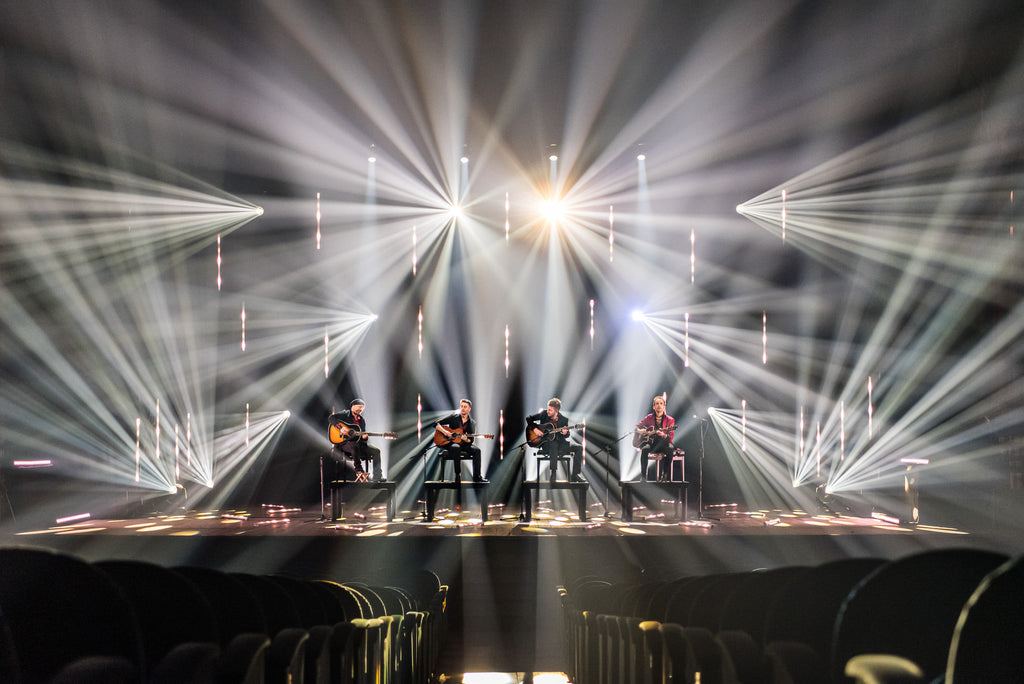
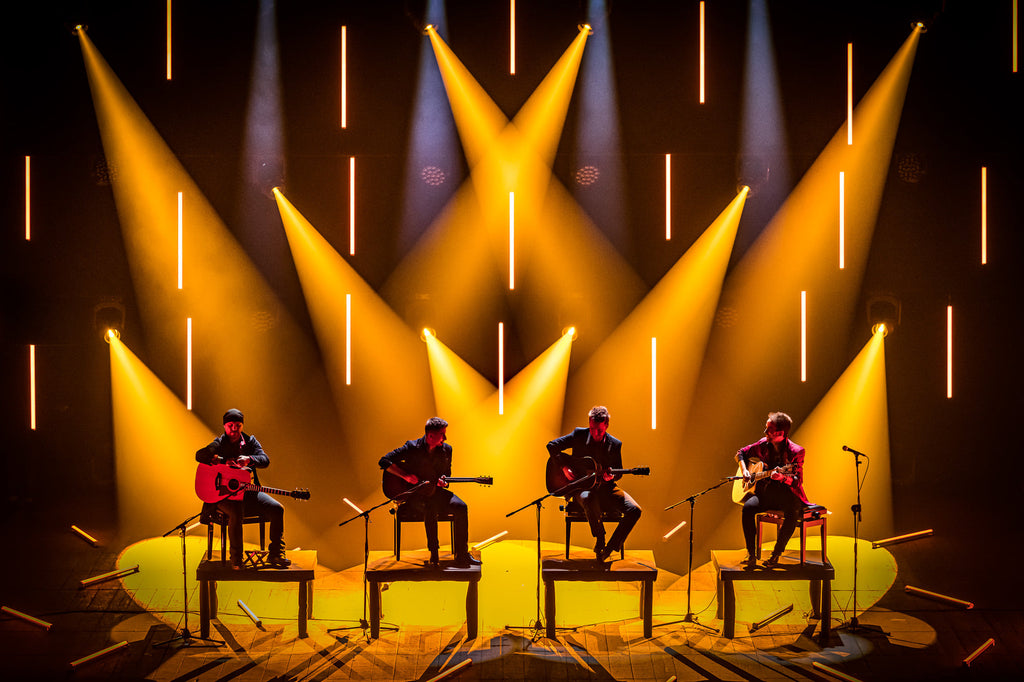
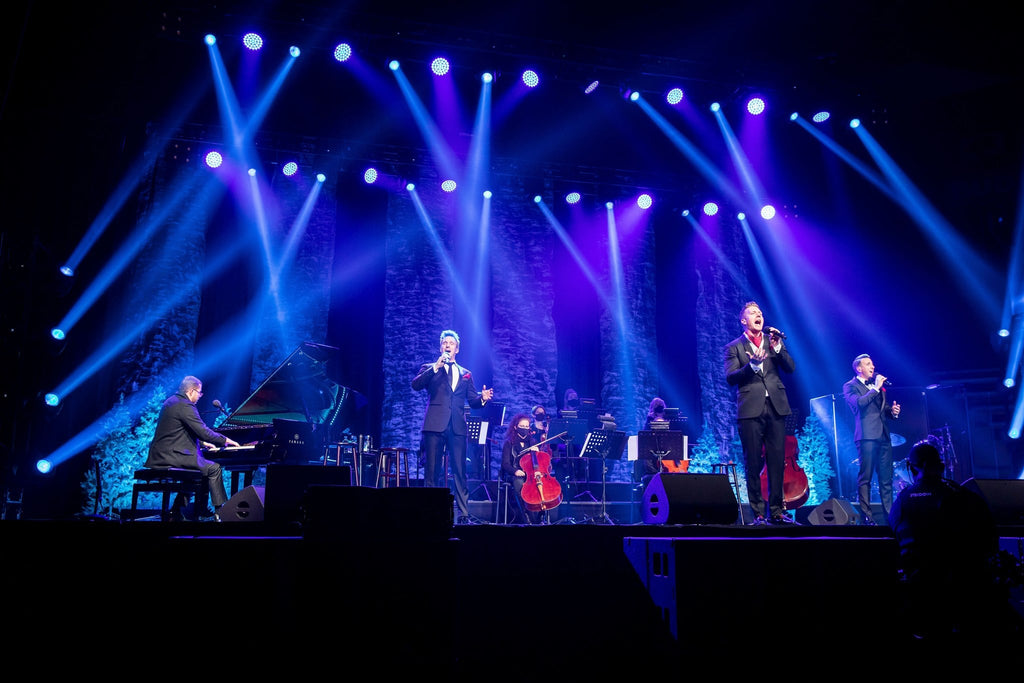 Their sound can also inspire an uplifting lighting design — even on short notice. This was plain to see at the trio’s recent socially distant livestreamed concert at Salt Lake City’s Maverik Center, where Nicolas “Murph” Murphy supported their evocative cinematic-like performance with an artful blend of bold light and shadows.
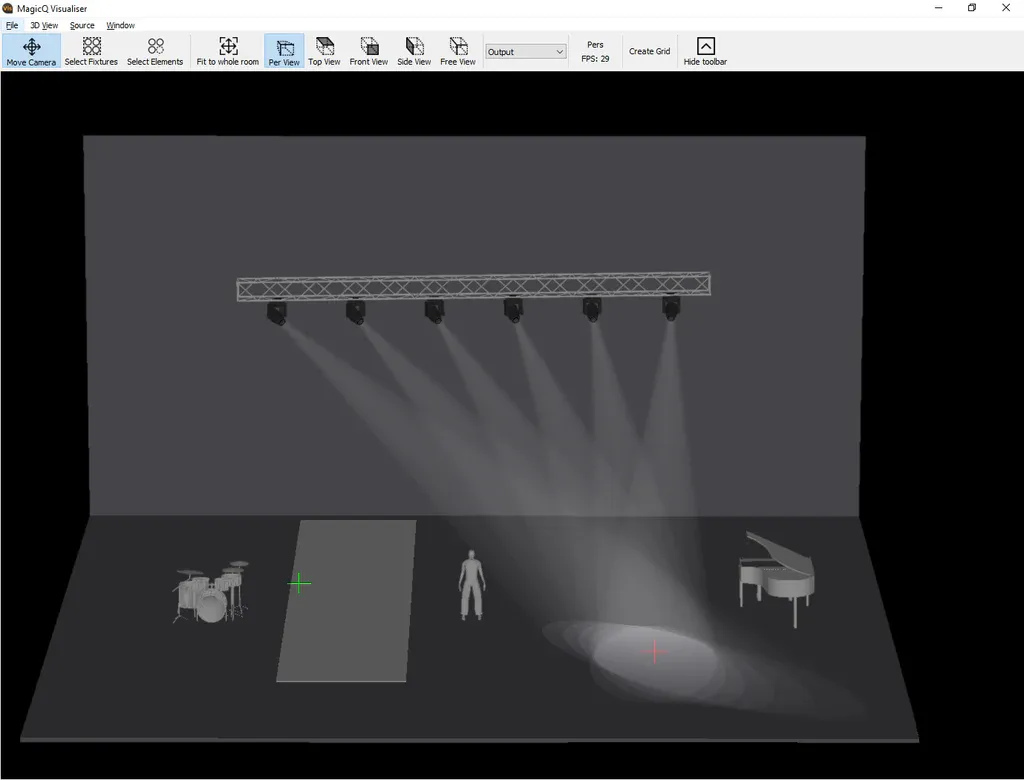
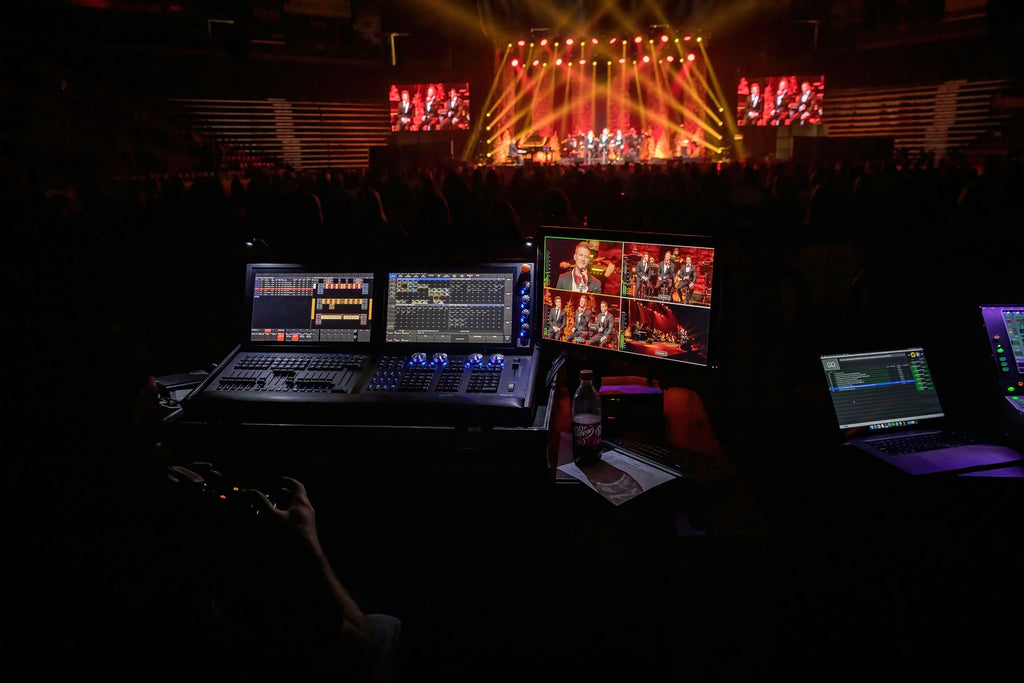 “The group’s production manager is an old high school friend of mine,” he said. “I was able to get a recording of every song they planned to perform. I tend to listen to the track a few times and then program out what I visualized in my head. Kind of my normal process when I am afforded the time. Due to our limited time available in the venue, I pre-programmed everything in MagicVis at my house in less than a day, something I was able to do, because it’s so easy to work with this software.”
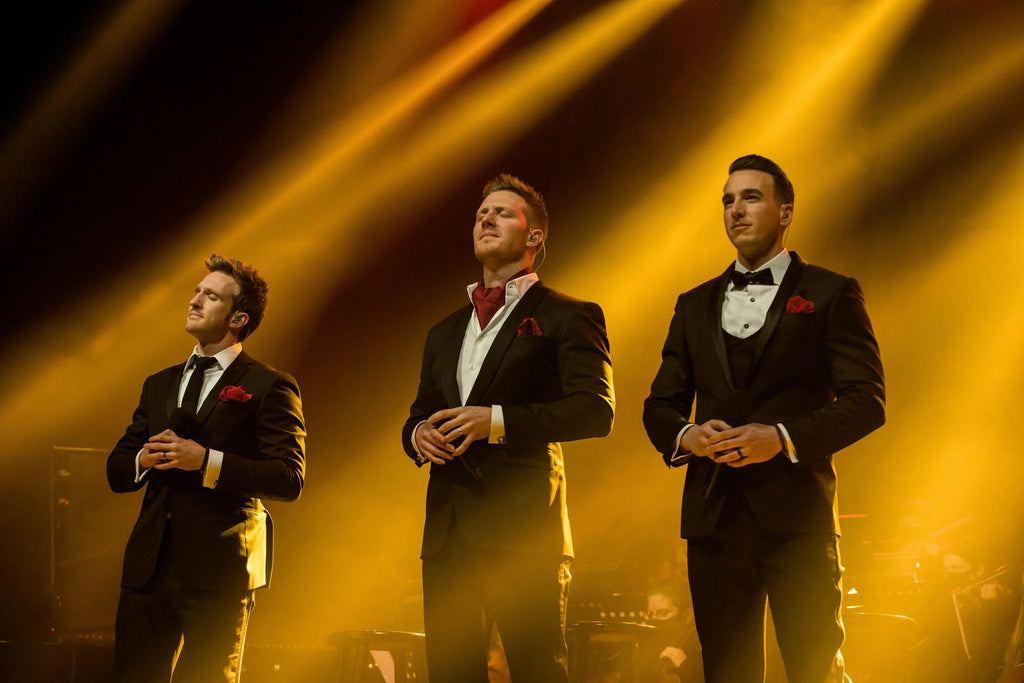 The stunning looks created for this show also translated well onto photographs. A “bonus” in this concert, notes Murphy was that his design was photographed by Leavitt Wells.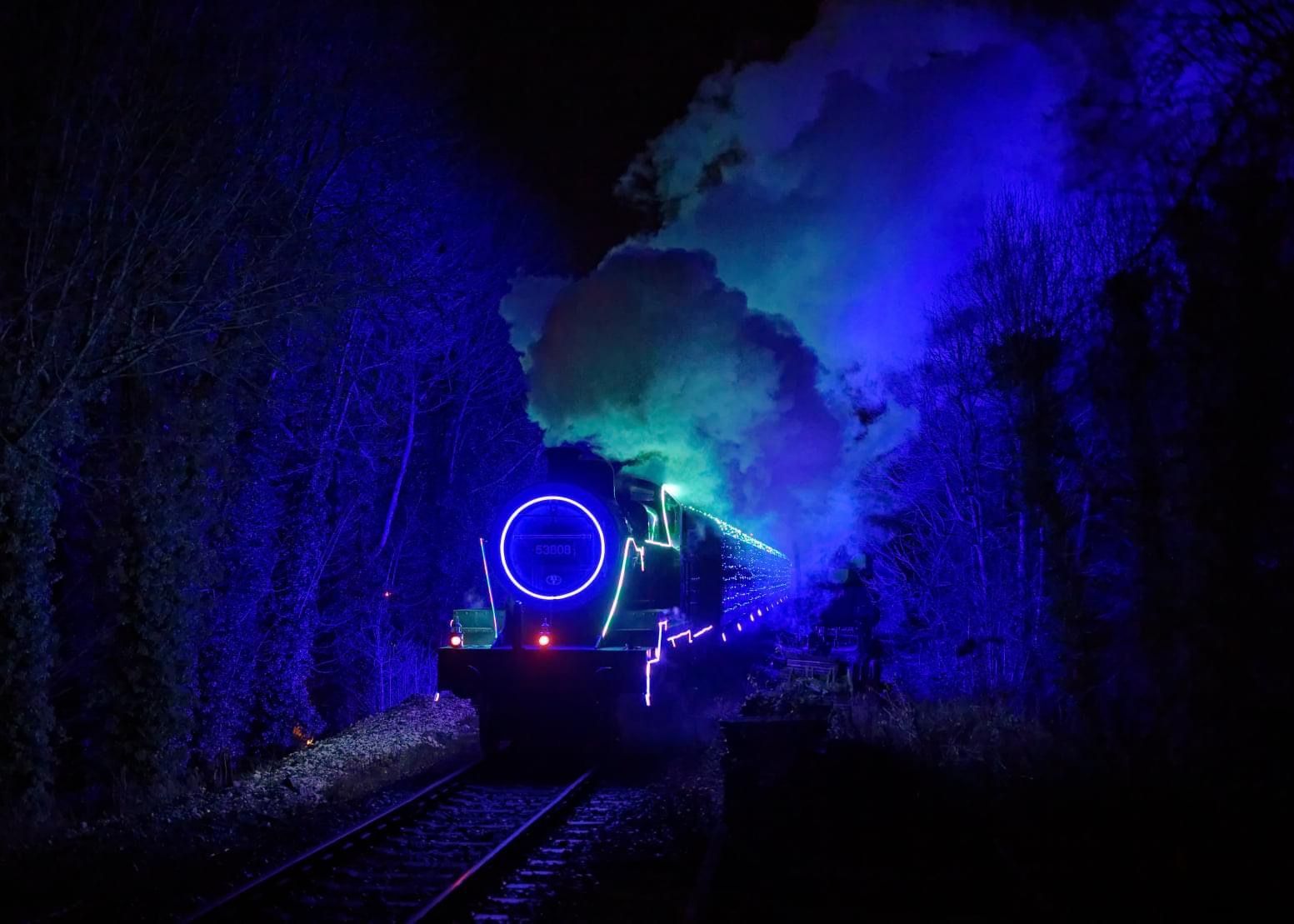

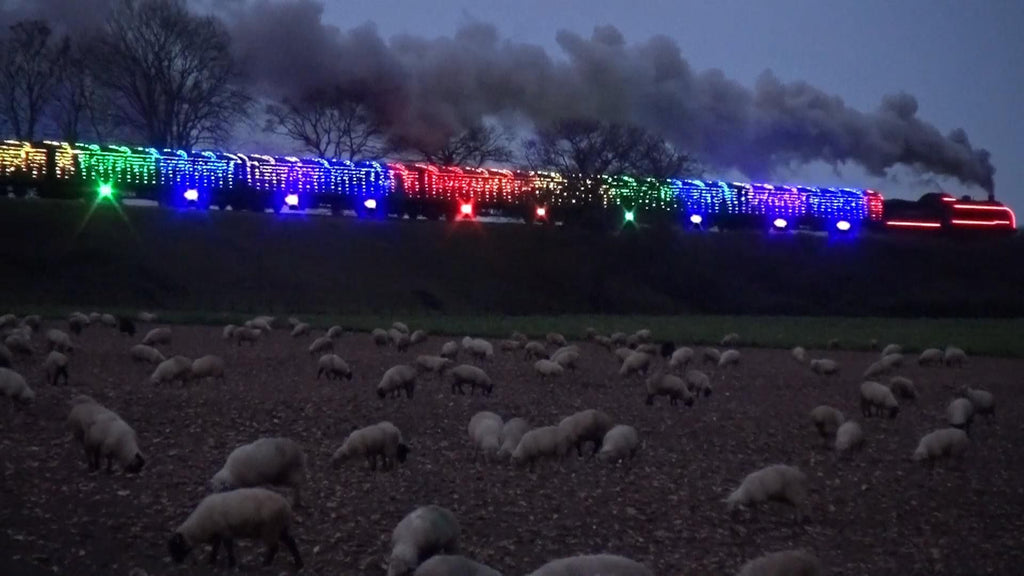 Given the size and scope of this lightshow, the channel capacity of the MQ500M was another important benefit for Horn. “At 78 Universes and with limited space on the train for control gear, my console was a life saver, because it handled everything with no need for any racks of external processing.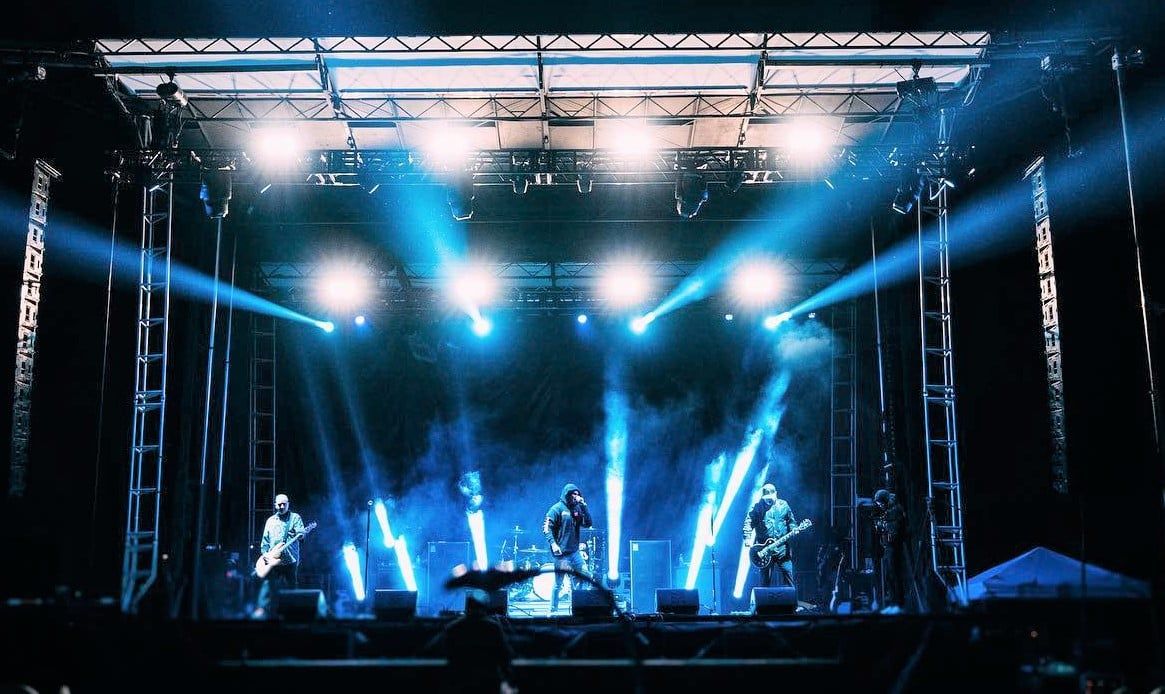
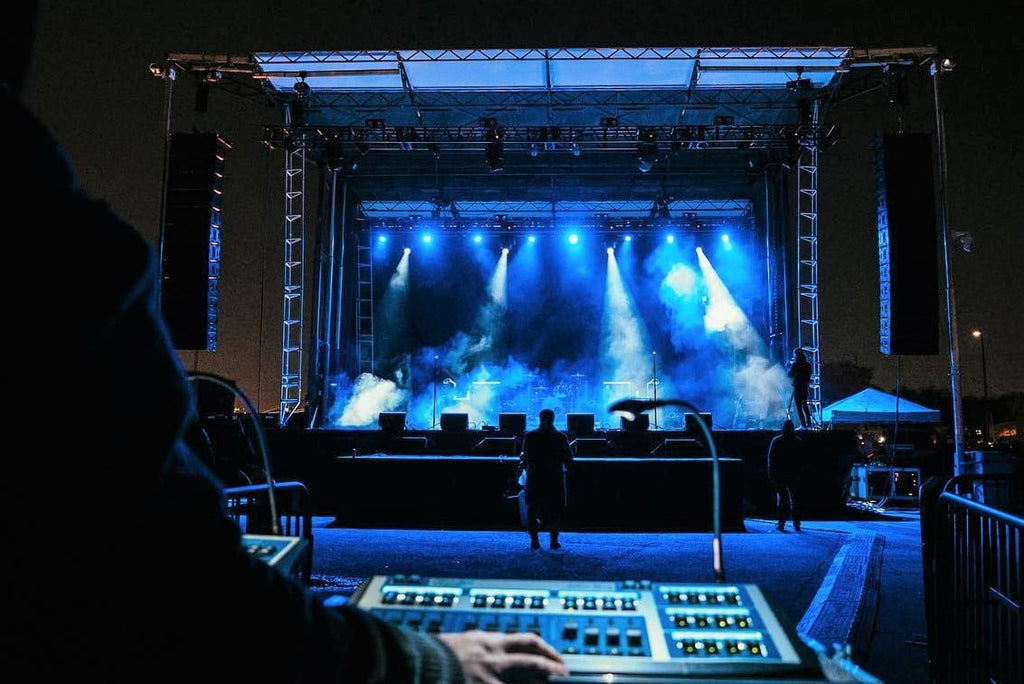 Scott’s plan may have seemed simple, but there was a complicating factor: he was given only 48-hours-notice that he would be LD for the show. To make matters even more problematic, he also had to light two other bands on the second night of the holiday show, along with providing supplemental lighting at the start and conclusion of the movies that were shown each night.
 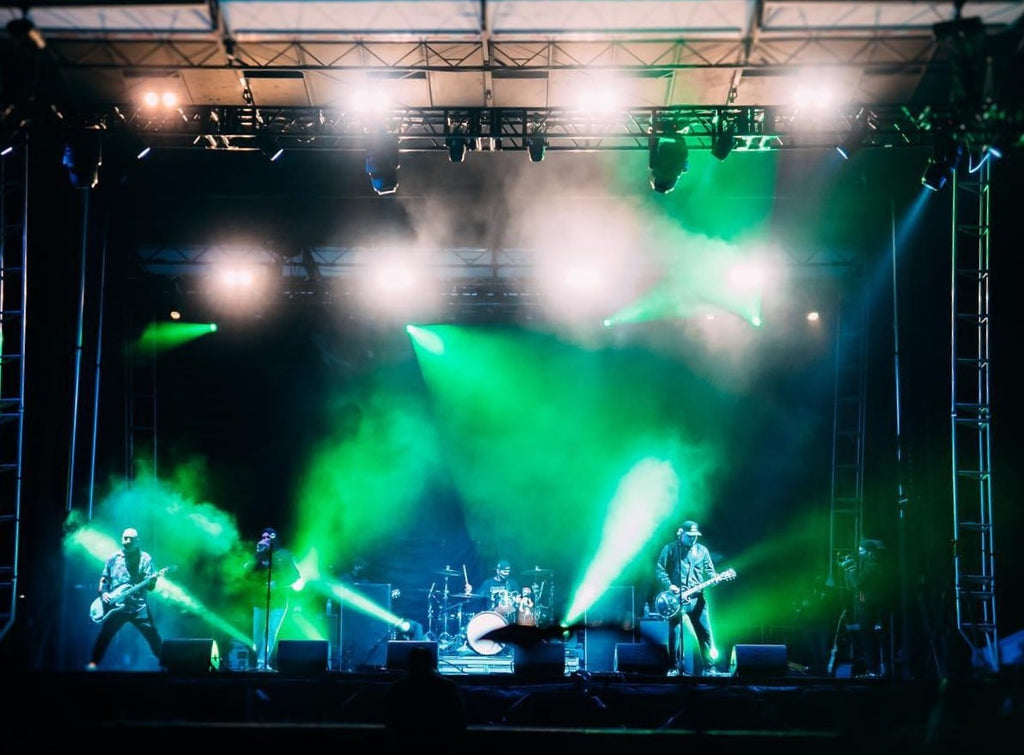 “Being able to take my desk on the stage deck to do my DS focus without having to ask a tech to assist with moving it made my days a lot easier,” said Scott. “I never fail to be amazed at how something so compact can be so easy to work with in real time at a show. Things like the eight Encoder Wheels put so much at your fingertips.”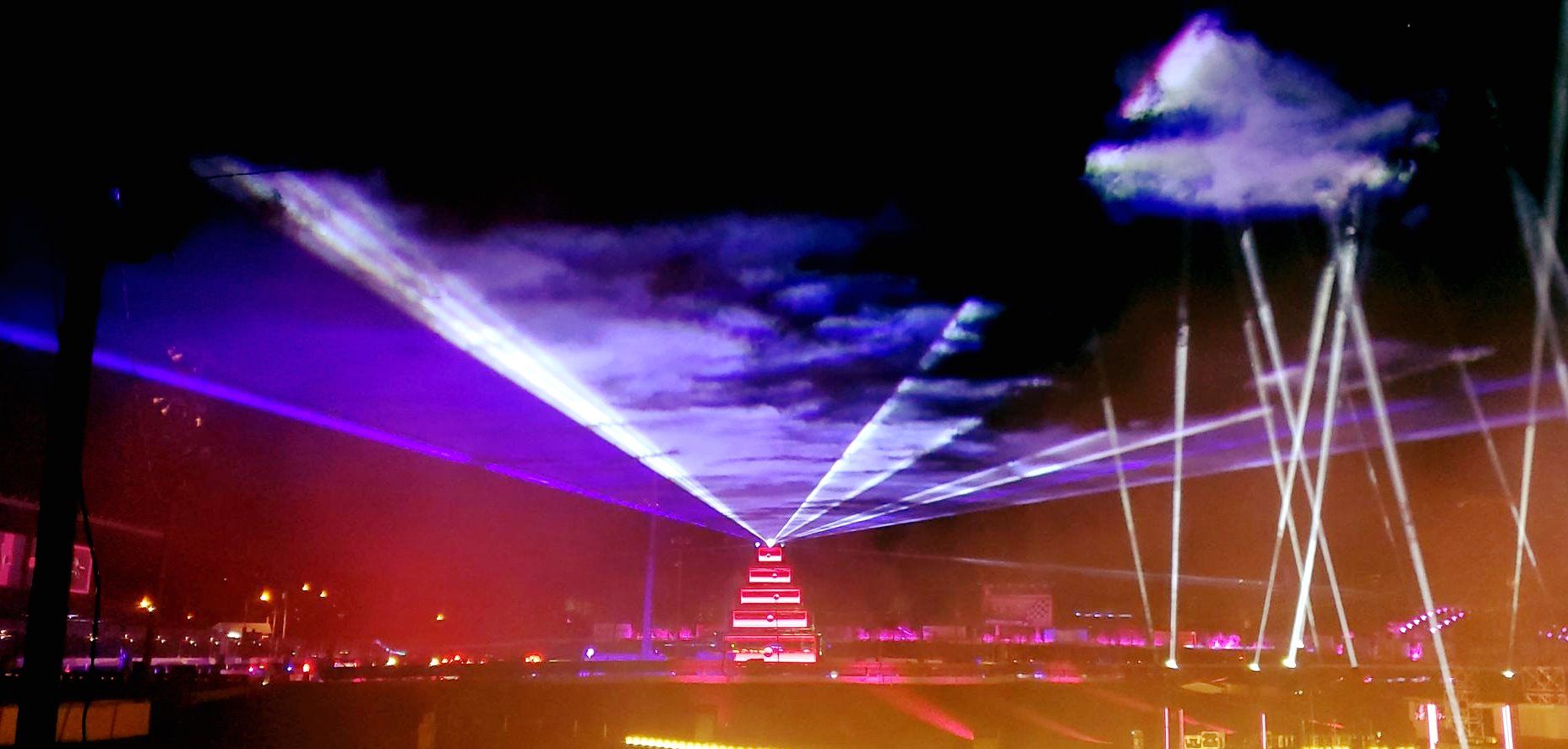
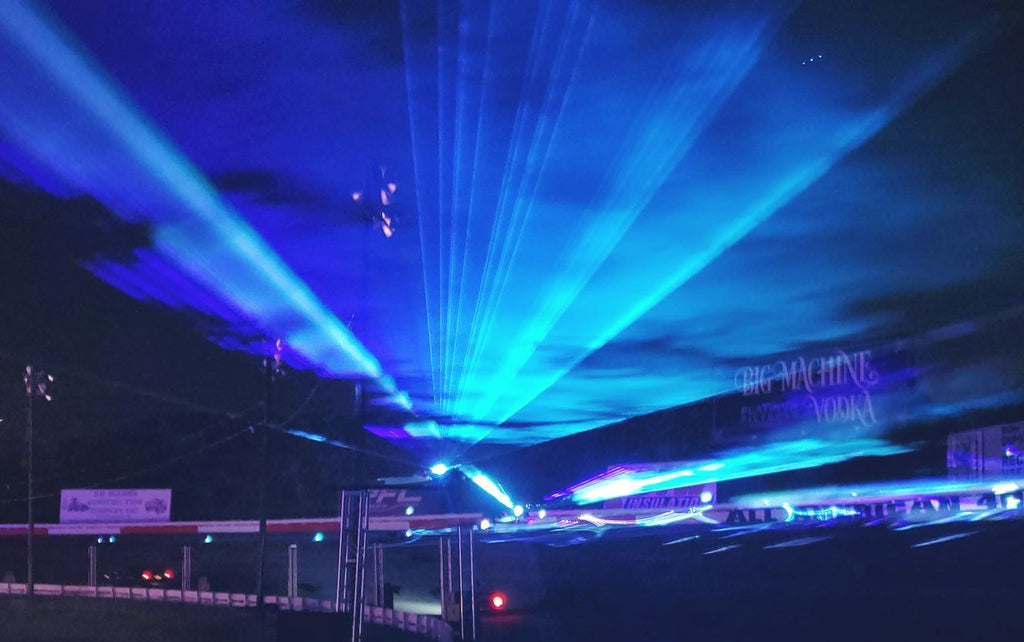 Dustin L Derry programmed and ran the laser show on his ChamSys
  Describing the MQ500 as “the workhorse” of his 24-universe (one for each laser) show, Derry recounted its role in his work. “I used the MQ500 along with X-Laser Mercury for programming the show in my home studio, and the interface between the two was perfect,” he said. “MagicQ was the primary ‘brain’ in my entire show.
 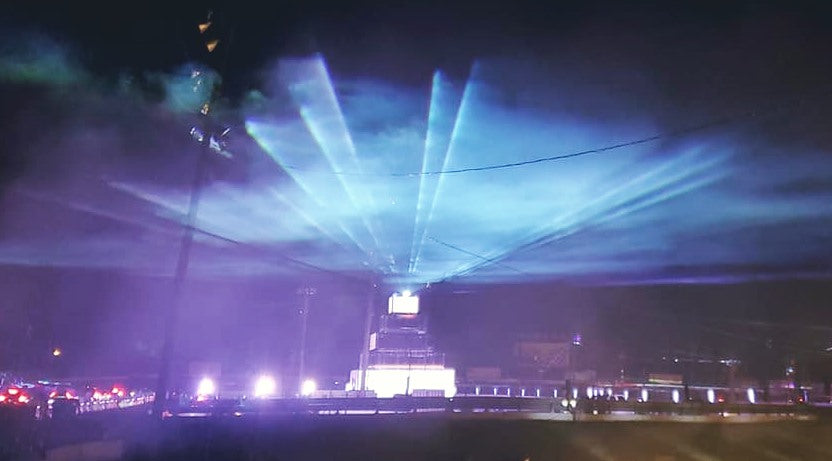 In addition to his main console, Derry had a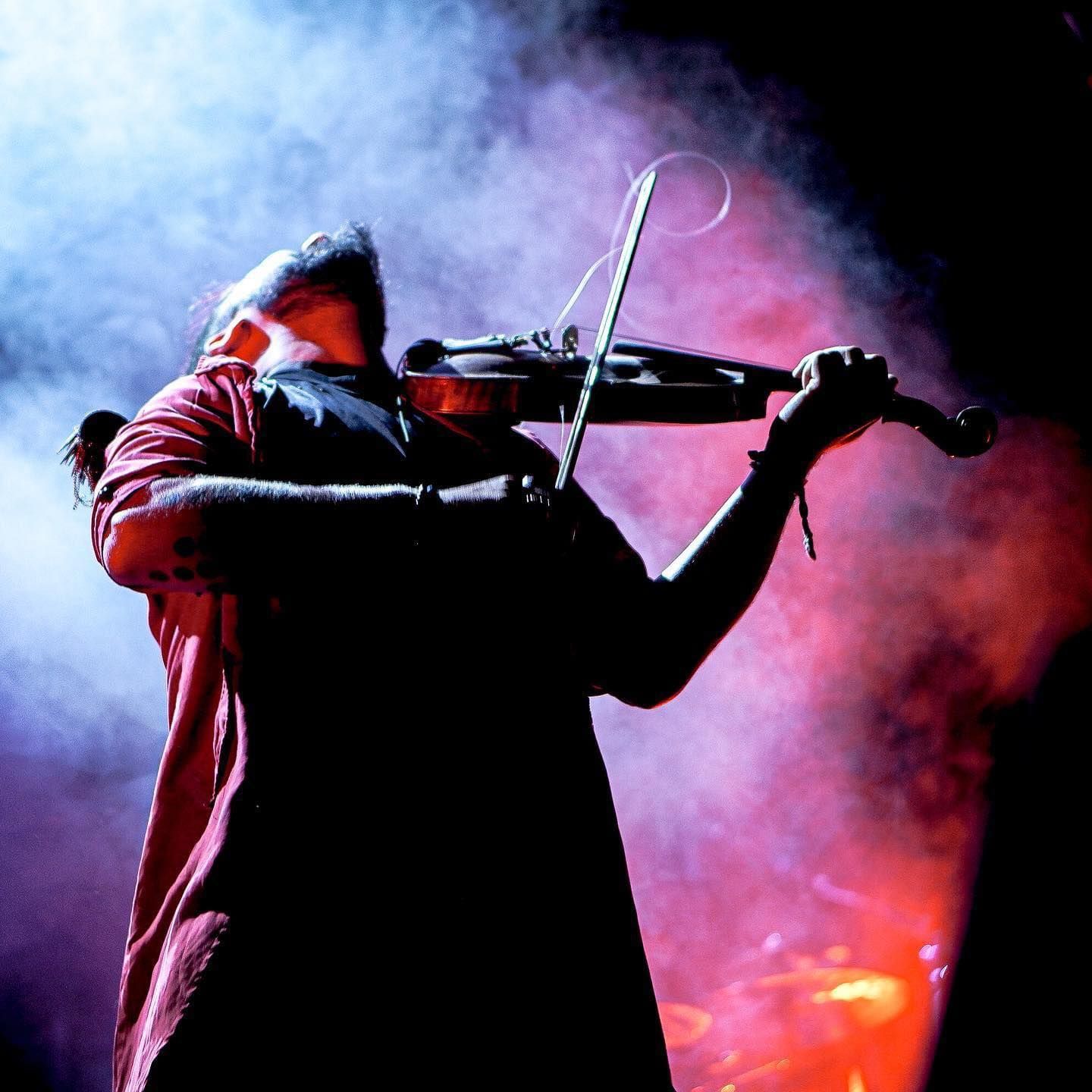
 A longtime ChamSys user, Berzosa programmed his show on a MagicQ with a PCWing. He is running the show at venues throughout Spain on his
 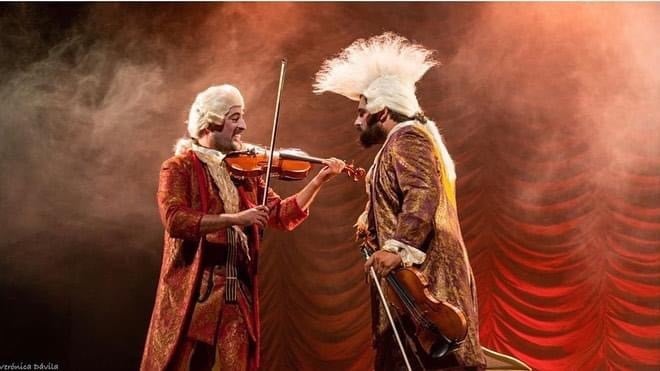 “The Plan View Grids in the output window that allow you to have multiple Grid Plan Views to divide up a lighting grid views are very useful when you have so many elements in your show,” said Berzosa. “It is easy for me to simplify things by using the buttons and encoders to change brightness levels and colors for fixtures by groups, especially since I had so many things going on. Also, having the faders and encoders arranged around the touchscreen is very convenient.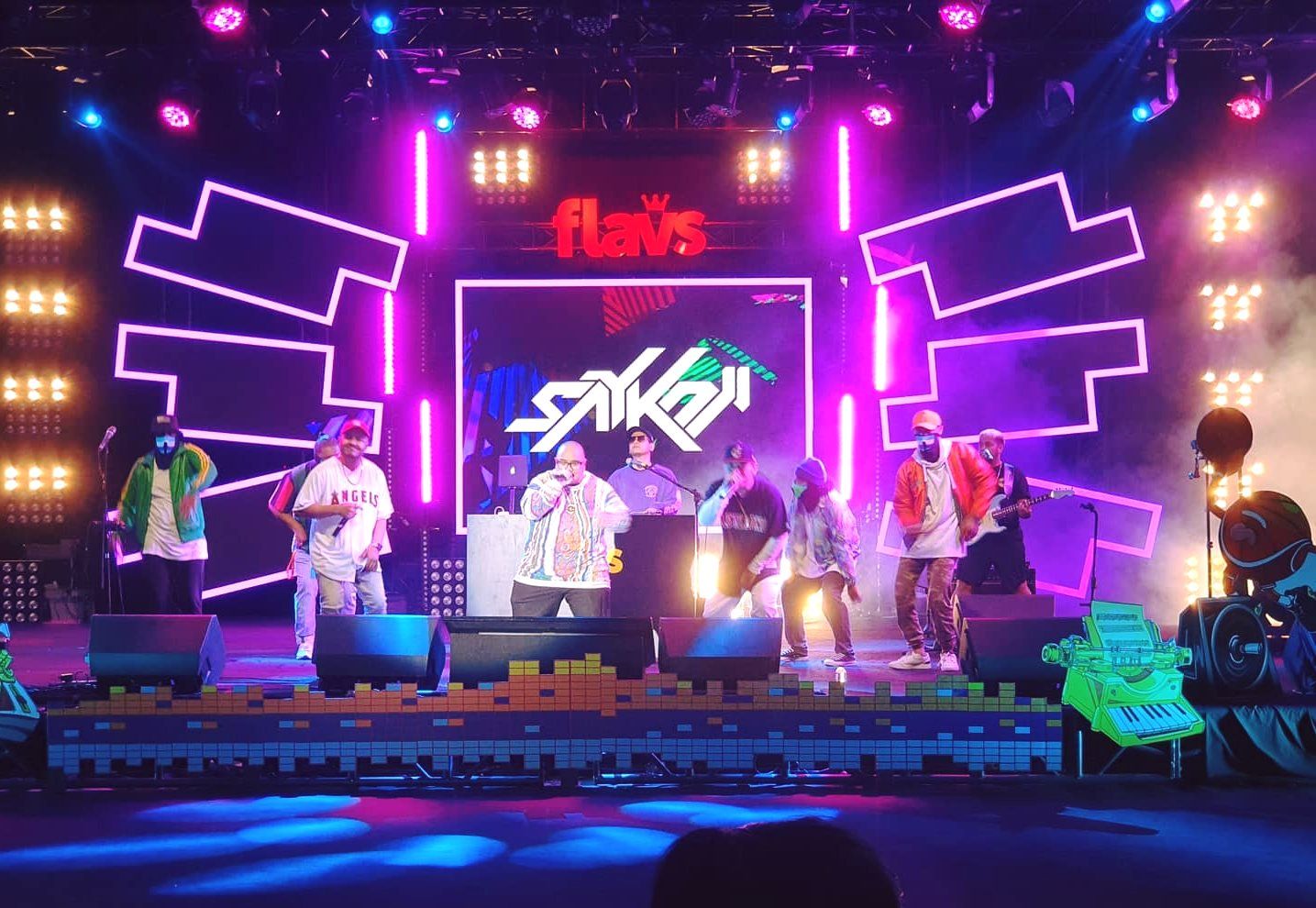
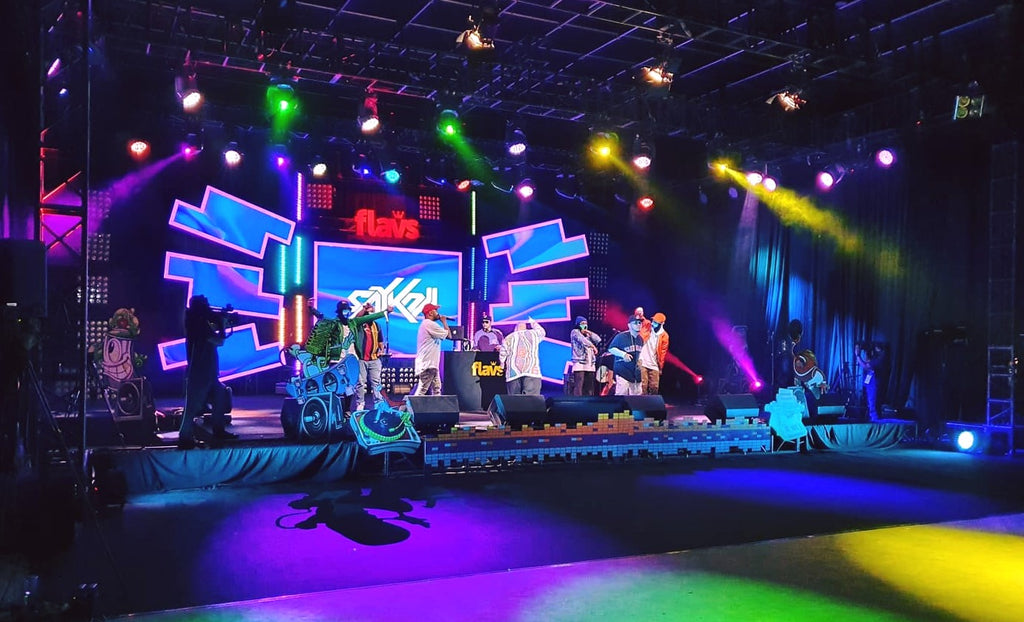 As so often has happened when creative spirits have been challenged by this pandemic, those involved in FLAVS came roaring back with a fierce burning intensity that blew away any disappointment. The 40 artists who appeared at the festival created a tight, nonstop torrent of raw unapologetically passionate sound, leaving those who paid Rp 99,000 (US$6.99) for a virtual day pass with the feeling that their money was well-spent.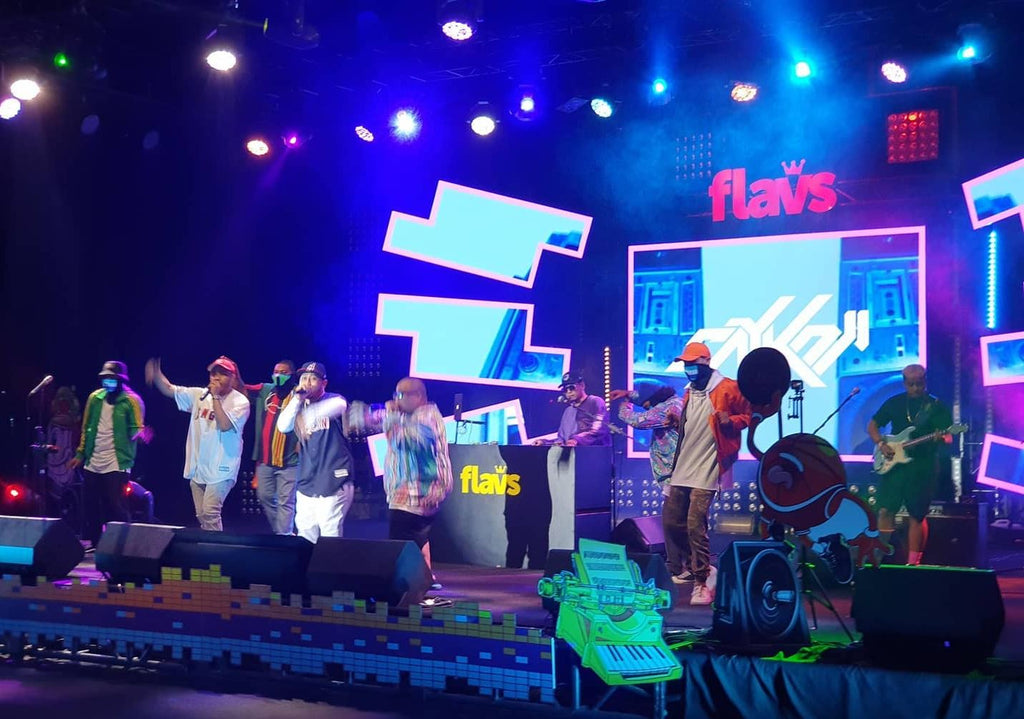
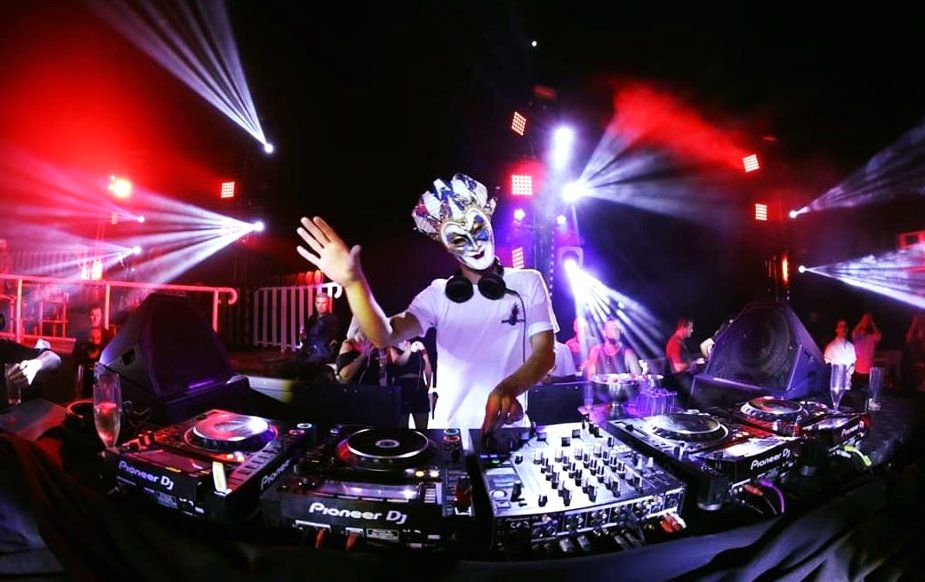
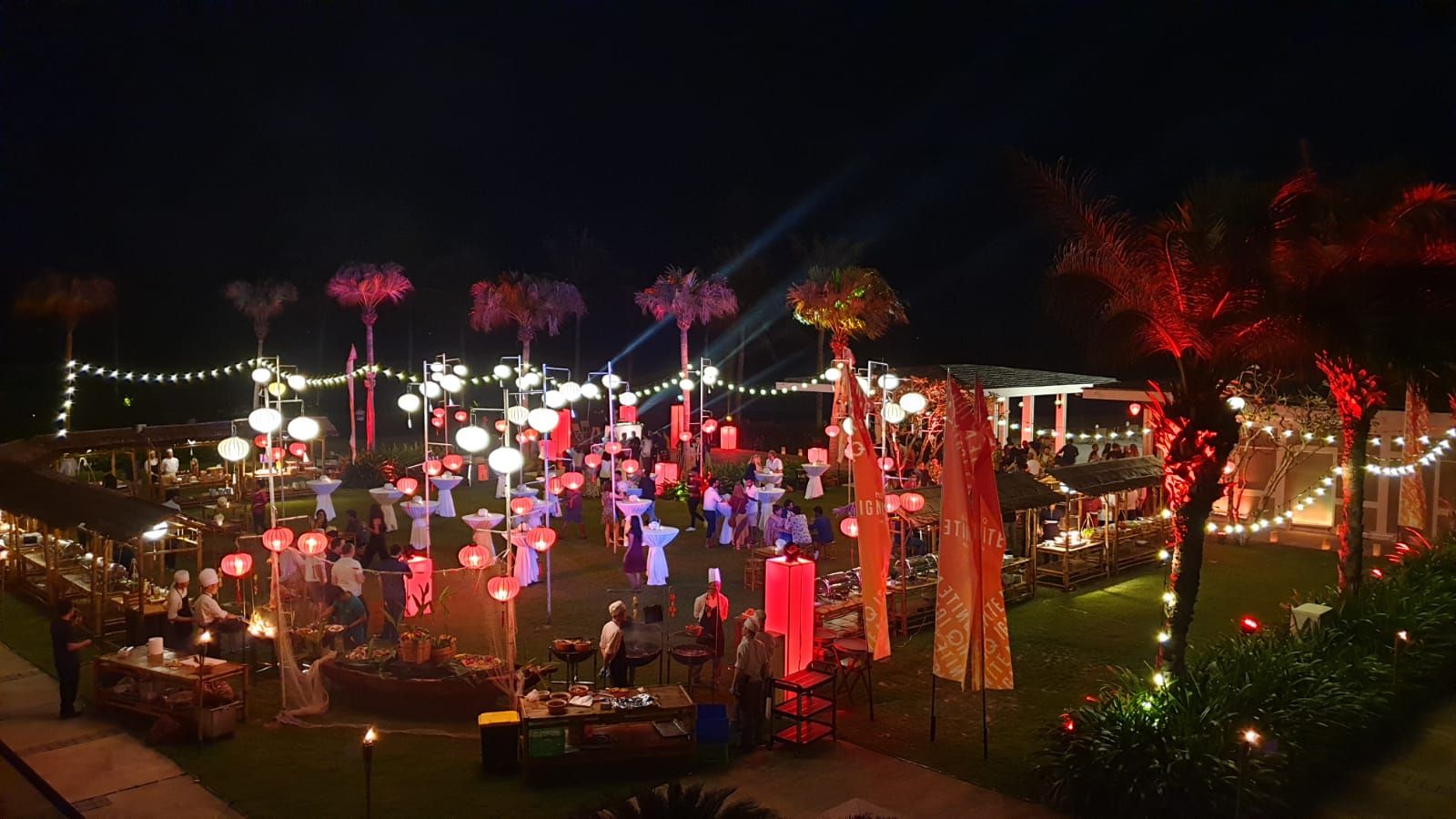
 Dimitriadis arranged some of the fixtures in his rig on five totems behind the DJ booth, spacing them out to preserve the sea view. Other fixtures were positioned on overhead hang points as well as on each side of the booth. This allowed him to hit the DJ and the widely separated tables on what would normally be the dancefloor with an immersive web of light from every direction.



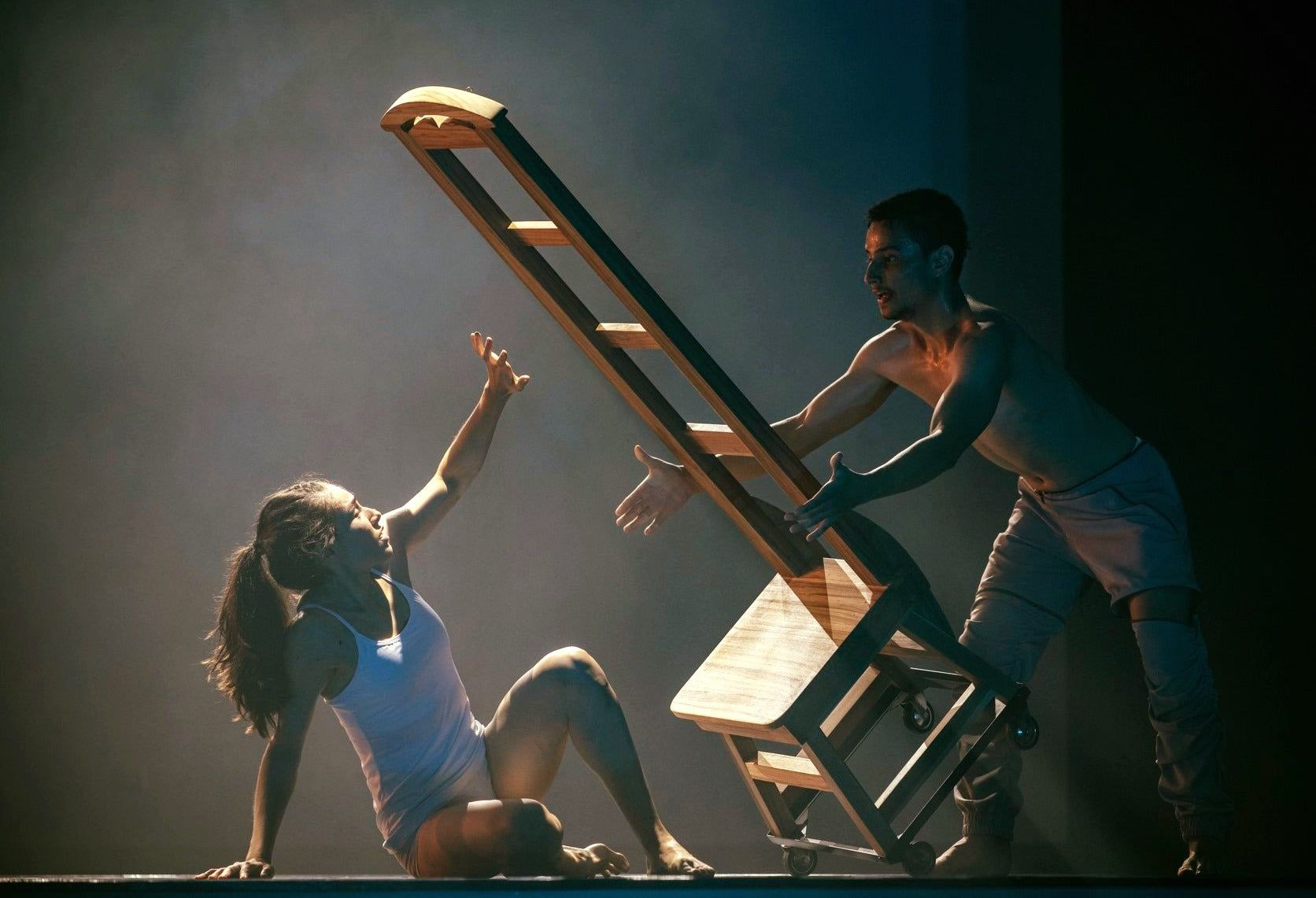
 Taking place at the Universidad Nacional de Costa Rica School of Dance in late 2019, the production won the national Mireya Barboza 2019 award for best designed dance show in February. It captivates audiences by presenting a series of stories built around its central them.
 “In a production such as this one, where there were so many components and so many changes of scene, it was very important to have a smooth workflow,” said Piedra. “The ChamSys console aligned with my creative process. This was fantastic, because it let me focus on what is truly important, telling the story and creating the right visuals.






 These considerations led them to pack two